
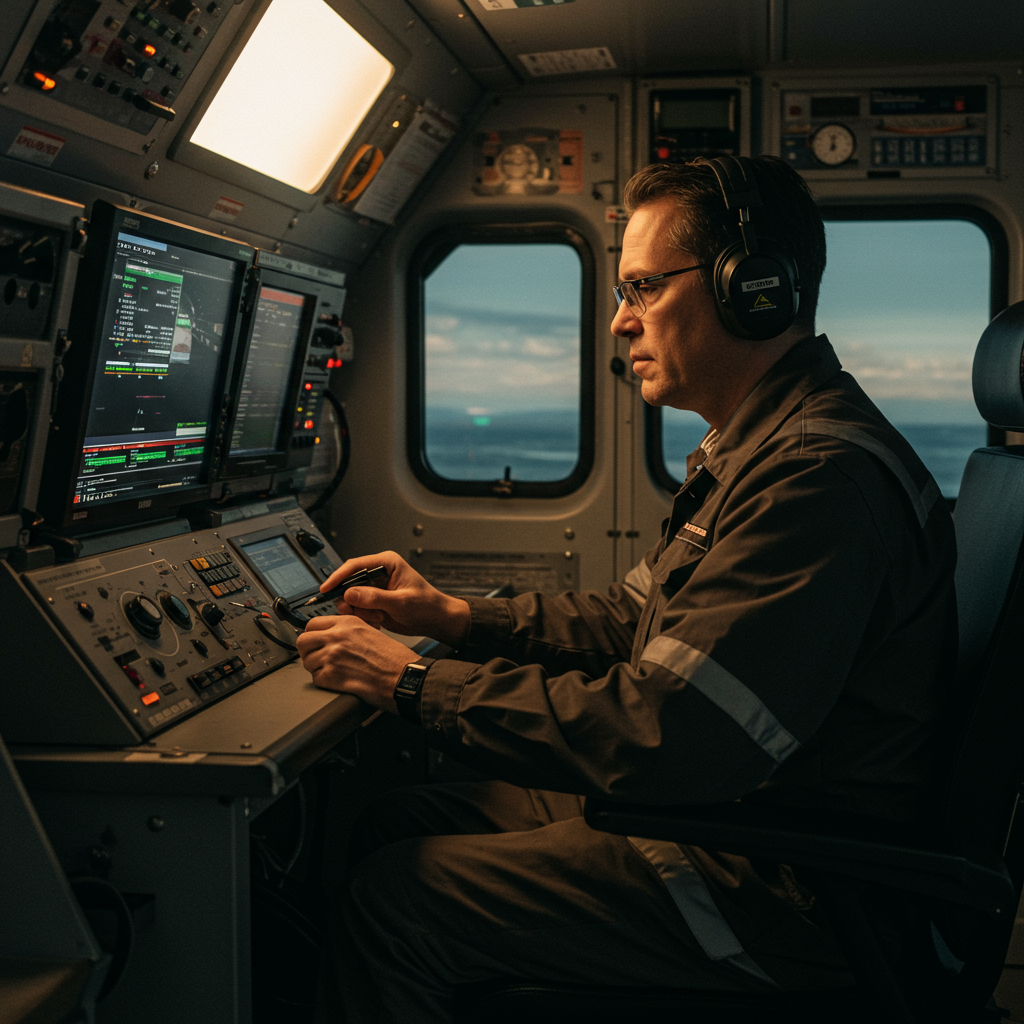
In any high-stakes environment, from a film set to a major music festival, communication is the bedrock of success. This guide provides a comprehensive framework for establishing professional radio etiquette and strategic channel planning for production crews. We delve into the core principles, operational processes, and practical tools needed to transform crew communications from a potential liability into a strategic asset. By implementing the standards outlined here, teams can expect to see measurable improvements in key performance indicators, such as a reduction in operational delays by up to 20%, a >50% decrease in critical miscommunications, and an enhanced Net Promoter Score (NPS) from crew members regarding on-site coordination. This content is designed for production managers, event coordinators, film crews, and any team leader responsible for operational excellence and safety.
Introduction
In the fast-paced, high-pressure world of event production, filmmaking, and large-scale project management, the quality of communication directly dictates the quality of the outcome. A missed cue, a delayed response, or a misunderstood instruction can cascade into costly errors, safety hazards, and catastrophic failures. While technology has provided us with powerful tools like two-way radios, the mere presence of hardware is insufficient. True operational excellence is achieved through a disciplined and structured approach to communication. This is where mastering **radio etiquette crew comms** becomes not just a best practice, but a mission-critical necessity. This guide provides a definitive blueprint for developing and implementing a robust communications protocol, covering everything from the fundamental principles of on-air conduct to the strategic design of a multi-channel plan that can scale to any operation’s needs.
Our methodology is built on a foundation of clarity, brevity, and security, adapted from protocols used in aviation, emergency services, and the military. We will explore how to establish a clear hierarchy of communication, train personnel for high-stress scenarios, and create a system that is both resilient and intuitive. Success will be measured through tangible Key Performance Indicators (KPIs), including a reduction in channel congestion rates (target: <10% during peak operations), an increase in message clarity scores (target: >95% via crew feedback), and a measurable decrease in incident response times (target: 25% improvement). By the end of this article, you will have the knowledge and tools to build a communication system that enhances safety, boosts efficiency, and fosters a culture of professionalism within your crew.
Vision, values and proposal
Focus on results and measurement
Our vision is an industry standard where crew communication is universally recognized as a core pillar of production management, characterized by flawless, instantaneous, and unambiguous information exchange. We champion a set of core values for all on-air conduct: Clarity (speak plainly, use standard terms), Brevity (be concise to keep channels free), Security (never transmit sensitive information over open channels), and Respect (maintain a calm, professional tone at all times). Our proposal is the adoption of a standardized communications framework that prioritizes critical information flow using the 80/20 principle: 80% of communication should be essential operational traffic, while 20% can be for lower-priority coordination. This framework is compliant with technical standards for radio frequency management, such as those set forth by the FCC in the United States or Ofcom in the United Kingdom, ensuring legal and interference-free operation.
- Prioritization Matrix: We use a decision matrix to classify communication types: Level 1 (Emergency: safety of life), Level 2 (Critical Operations: time-sensitive cues), Level 3 (Logistics: resource movement), and Level 4 (General Information). This ensures that critical messages always get through.
- Quality Criteria: A “quality” transmission is defined as one that is recognized and correctly acted upon in its first instance, eliminating the need for repetition. Our target is a First-Time-Right (FTR) rate of 98%.
- Value Proposition: By investing in structured **radio etiquette crew comms**, an organization can expect a significant return on investment (ROI) through reduced overtime costs (from fewer delays), lower insurance premiums (from a better safety record), and enhanced client retention (from delivering consistently flawless events).
- Scalability: The proposed system is designed to be modular, working just as effectively for a small documentary crew of five as for a multi-stage international festival with a staff of five hundred.
Services, profiles and performance
Portfolio and professional profiles
Implementing a professional communication system is a service in itself, often managed by specific roles within a production. The primary service is the design, deployment, and management of the event’s temporary communication infrastructure. This involves defining roles and responsibilities to ensure the system runs smoothly. Key profiles include the “Communications Lead” or “Comms Tech,” who is responsible for the overall strategy, hardware management, and frequency coordination. The “Dispatcher” (for larger events) acts as a central hub, routing traffic and monitoring all channels. Finally, every “Radio User” is a stakeholder responsible for upholding the established etiquette and protocols. A failure by any one individual can compromise the entire system.
Operational process
- Phase 1: Needs Analysis & Scoping. Conduct stakeholder interviews with department heads to map communication flows. (KPI: Scoping document completed 4 weeks prior to event).
- Phase 2: System Design & Frequency Planning. Develop the channel plan, select appropriate hardware (e.g., digital vs. analog, repeaters), and secure necessary frequency licenses. (KPI: Frequency plan approved and licensed with a 0% conflict rate).
- Phase 3: Hardware Procurement & Preparation. Source, test, and program all radios, batteries, and accessories. (KPI: Equipment failure rate <1% on deployment).
- Phase 4: Crew Training & Onboarding. Conduct mandatory briefings on radio use, etiquette, and emergency procedures for all personnel. (KPI: >95% crew passing a basic practical test).
- Phase 5: Live Operation & Monitoring. Deploy a Comms Lead to monitor channel traffic, troubleshoot issues, and manage battery swaps. (KPI: Average response time to a hardware issue <10 minutes).
- Phase 6: Post-Event Review & Reporting. Collect equipment, gather feedback from crew, and generate a performance report with lessons learned. (KPI: Post-event report delivered within 72 hours of wrap).
Tables and examples
| Objective | Indicators | Actions | Expected result |
|---|---|---|---|
| Enhance on-set safety protocols | Time-to-response for medical emergencies (in seconds) | Establish a dedicated, monitored “RED” emergency channel. Train all crew on the “Code Red” call procedure. | Reduce average medical response initiation time from 120 seconds to under 30 seconds. |
| Improve efficiency during scene changes | Duration of scene change downtime (in minutes) | Create a dedicated channel for the Stage Manager and department heads (G&E, Props, Sound). Use “standby” and “go” calls. | Decrease average scene change time by 15%, saving valuable production hours. |
| Reduce communication errors | Number of requests for repeated instructions per hour | Mandate use of the phonetic alphabet for all proper nouns, locations, or technical terms. Implement a “read-back” protocol for critical cues. | Achieve a >75% reduction in repeated transmissions, leading to clearer channels and faster execution. |
| Optimize battery management | Number of dead spokes mid-shift | Implement a centralized check-in/check-out system with mandatory battery swaps at meal breaks. | Target of zero dead radios during operational hours, ensuring 100% comms uptime. |
Representation, campaigns and/or production
Professional development and management
The implementation of a communications system for a large-scale production is a logistical exercise that requires meticulous planning and management. This process begins with sourcing and vetting hardware suppliers, comparing rental costs against the benefits of purchase for long-running projects. A critical, often-overlooked step is frequency licensing. Operating professional-grade radios on certain frequencies requires a license from the national regulatory body (e.g., FCC Part 90 in the US). Failure to secure the correct license can result in heavy fines and, more critically, interference with other licensed operators, including public safety services. The Comms Lead is responsible for this entire workflow, from creating a detailed inventory and distribution plan to establishing a robust battery management strategy. This often involves setting up a central “comms hub” on-site where equipment is stored, charged, and serviced. A comprehensive plan must also include contingencies for every potential failure point.
- Critical Documentation Checklist:
- Signed frequency license agreement on-site at all times.
- Laminated channel plan (“cheat sheet”) for every radio user.
- “Face map” document with photos, names, roles, and assigned radio channels.
- Hardware sign-out/sign-in sheet with liability acknowledgment for loss or damage.
- Emergency communications flowchart detailing who to call and on what channel for fire, medical, or security incidents.
- Contingency Planning:
- Stock of spare radios and accessories (headsets, antennas, belt clips) equal to 10% of the total fleet.
- A minimum of two fully charged spare batteries for every radio in use.
- Designated “runners” as a non-electronic backup communication method for total radio failure.
- A pre-defined cell phone contact list for key personnel, to be used only in case of system-wide radio outage.
Content and/or media that converts
Messages, formats and conversions
The “content” of radio communication is the message itself. For this content to “convert”—that is, to be understood and acted upon correctly and immediately—it must be structured. The goal is to eliminate ambiguity. We achieve this by moving away from conversational language and towards a standardized, concise format. The “hook” of any radio call is the identification. The standard format is: “[Recipient], this is [Sender]”. For example: “Stage Manager, this is Lighting.” This immediately gets the attention of the right person. The “call to action” (CTA) is the message itself, which should be as brief as possible. Instead of “Hey John, I was wondering if you are ready for the lighting cue for the next scene,” the call becomes: “Lighting, standby on Cue 27.” Effective **radio etiquette crew comms** relies on this disciplined structure. We can even A/B test different call structures during training simulations to see which yields faster, more accurate responses from the crew.
- Content Strategy Definition: The Production Manager and Comms Lead identify all predictable communication events (e.g., start of day, cues, breaks, wrap, emergencies).
- Scripting & Pro-word Integration: For each event, a standard script or call format is created. This includes integrating pro-words like “Copy” (I understand), “Standby” (Wait, I am busy but will respond soon), “Go Ahead” (I am ready for your message), and “Wilco” (Will Comply).
- Phonetic Alphabet Mandate: All teams are trained to use the NATO phonetic alphabet (Alpha, Bravo, Charlie, etc.) for spelling out names, locations, or anything that could be misheard (e.g., “Go to Grid D5” becomes “Go to Grid Delta Five”).
- Training & Drills: The scripted calls are drilled in scenario-based training until they become second nature for all crew members.
- Performance Analysis: During the event, the Comms Lead or Dispatcher may discreetly monitor channels to identify common communication errors or deviations from protocol, providing real-time coaching if necessary. The goal is a >95% adherence to the established communication formats.
Training and employability
Demand-oriented catalogue
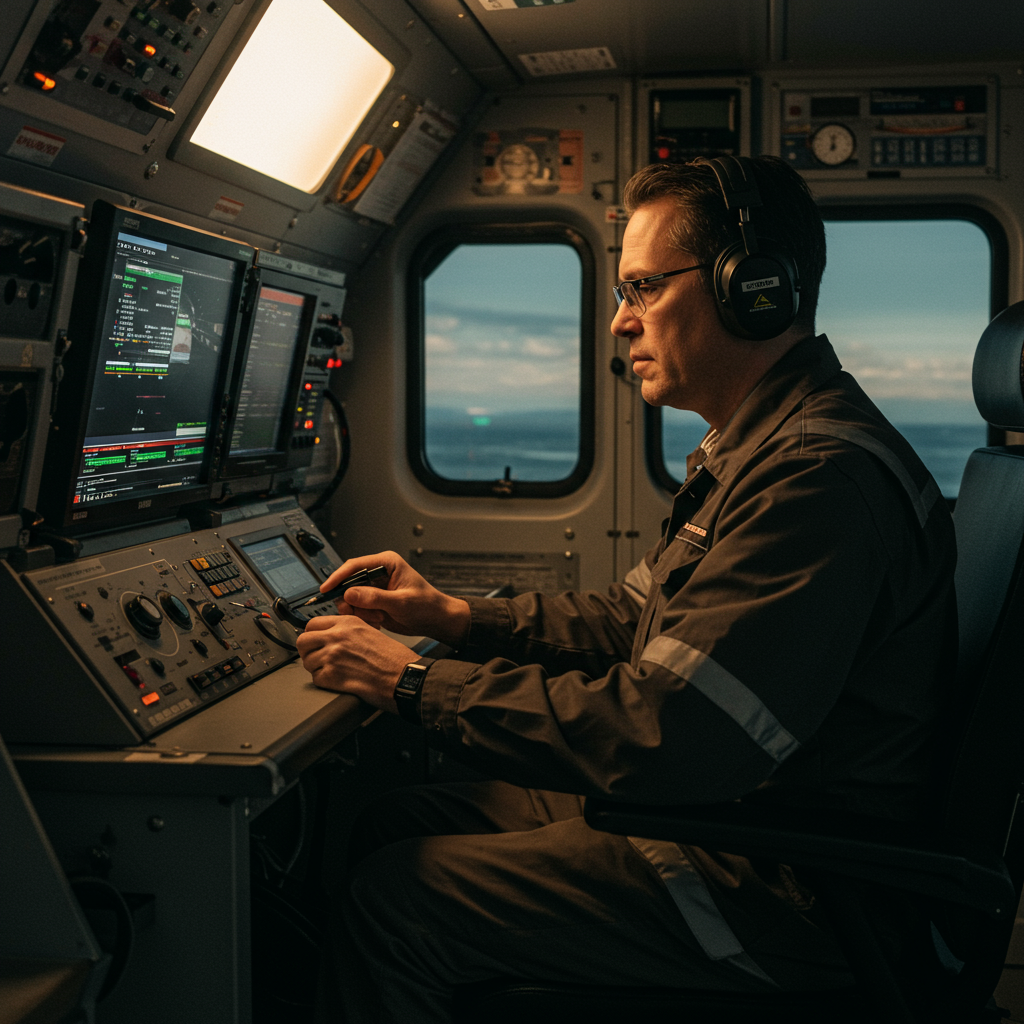
Proficiency in professional radio communication is a highly valuable and transferable skill, enhancing an individual’s employability across the event, film, security, and logistics industries. We propose a structured training program with modules designed to build skills progressively, from basic operation to advanced crisis management.
- Module 101: Introduction to Two-Way Radio Communication. Covers hardware basics: PTT, channel selection, volume control, battery care, and connecting accessories. Includes a hands-on component.
- Module 201: The Language of the Airwaves – Etiquette & Pro-words. Focuses on the core principles of radio etiquette (the “3 C’s”: Clear, Concise, Calm), introduces the phonetic alphabet, and drills the top 10 most common pro-words.
- Module 301: Channel Plan Navigation. Teaches crew how to read and understand the production’s specific channel plan. Covers when and why to switch channels for specific conversations to keep the main channels clear.
- Module 401: Emergency & Crisis Communications. Scenario-based training for reporting medical, fire, and security incidents. This module focuses on staying calm and providing essential information clearly and accurately under pressure.
- Module 501: The Dispatcher/Comms Lead Role. An advanced course for those managing the communications system, covering frequency coordination, managing high-traffic situations, and advanced troubleshooting.
Methodology
Our training methodology is based on the “learn-see-do” model. Each module begins with a brief theoretical lesson (learn), followed by a demonstration from the instructor (see), and culminates in practical, hands-on exercises by the trainees (do). Performance is evaluated using a detailed rubric that scores participants on clarity of speech, adherence to protocol, response time, and correct use of pro-words. A final practical exam might involve a simulated event scenario where trainees must coordinate a response to a series of staged incidents. Successful completion of the program results in a certificate of proficiency, which can be a valuable addition to a production professional’s resume. For organizations, this training ensures a baseline level of competence across the entire team, significantly reducing the risk of communication-related failures.
Operational processes and quality standards
From request to execution
A structured operational process ensures that every deployment of a communications system is consistent, thorough, and professional. This pipeline approach takes the project from initial concept to final review, with clear deliverables and acceptance criteria at each stage.
- Discovery & Diagnosis: The process starts with a deep dive into the client’s needs. This involves a site survey to identify potential RF dead spots, interviews with department heads to map workflows, and a review of the event’s complexity and scale. The key deliverable is a “Communications Needs Assessment” document.
- Proposal & System Design: Based on the assessment, a detailed proposal is created. This includes a draft channel plan, recommended hardware (radios, repeaters, accessories), a staffing plan (Comms Lead, techs), and a full budget. Acceptance criteria: Client signs off on the proposal and budget.
- Pre-Production & Logistics: Once approved, the team secures licenses, sources and programs the hardware, and creates all supporting documentation (channel charts, face maps, training materials). Deliverable: A “Comms Go-Box” containing all necessary equipment and documents, ready for deployment.
- Execution & On-Site Management: This phase begins with equipment distribution and a mandatory all-hands briefing. Throughout the event, the Comms Lead actively monitors the system, manages battery life, and serves as the single point of contact for all communication issues. Acceptance criteria: The system operates with >99% uptime.
- Closure & Debrief: At the end of the production, all equipment is collected, inventoried for damage or loss, and packed. A post-event debrief is held with key stakeholders to discuss what worked well and what could be improved. The final deliverable is a “Post-Action Report” with performance metrics and recommendations for future events.
Quality control
Quality control is not a separate step but is integrated into every phase of the process. This involves clear roles, an escalation path for issues, and measurable service level agreements (SLAs).
- Roles: The Comms Tech is responsible for hardware integrity. The Comms Lead is responsible for system performance and user adherence to protocol. The Production Manager is the final decision-maker for any proposed changes to the comms plan during the event.
- Escalation: A simple issue (e.g., dead battery) is handled by the Comms Tech. A recurring protocol breach is addressed by the Comms Lead. A system-wide issue (e.g., major interference) is escalated to the Production Manager.
- Indicators & SLAs:
- Hardware readiness: 100% of radios tested and fully charged before distribution.
- User support: Acknowledgment of a support request within 5 minutes.
- System uptime: The radio network will be operational 99.9% of the scheduled production time.
| Phase | Deliverables | Control indicators | Risks and mitigation |
|---|---|---|---|
| Discovery | Needs Assessment Document | All department heads interviewed; Site survey completed. | Risk: Incomplete understanding of needs. Mitigation: Use a standardized questionnaire and require sign-off from each department head. |
| Pre-Production | Programmed spokes; All documentation (channel plans, etc.) | 100% of radios programmed and tested; Frequencies licensed and confirmed clear. | Risk: RF interference from other sources. Mitigation: Conduct an on-site spectrum analysis before finalizing frequency plan; have backup frequencies available. |
| Execution | Flawless on-site communication | Channel congestion <10%; <1% hardware failure; Positive crew feedback (NPS). | Risk: High user error/poor etiquette. Mitigation: Mandatory pre-show briefing; active monitoring and gentle on-air correction by Comms Lead. |
| Closure | Post-Action Report; 100% equipment return | All hardware accounted for (<2% loss/damage rate); Report delivered within 72 hours. | Risk: Lost or damaged equipment. Mitigation: Implement a strict sign-out/sign-in procedure with individual accountability. |
Cases and application scenarios
Case 1: “Desert Bloom” International Music Festival
Challenge: A three-day music festival in a remote desert location with 50,000 attendees, 5 stages, and over 400 crew members across departments like Production, Security, Medical, Artist Liaison, and Sanitation. The remote location meant no reliable cellular service, making radio the only viable communication method. The primary challenges were the vast area, high potential for RF interference, and the critical need for a clear command structure for safety and security.
Solution: A multi-tiered digital trunked radio system was deployed. This allowed for more efficient use of a limited number of frequencies and enabled private, one-to-one calls when needed. A central dispatch with two operators was established to monitor all channels 24/7. The channel plan was meticulously structured:
| Channel | Department(s) | Primary Use | Notes |
|---|---|---|---|
| 1: COMMAND | Event Director, Security Chief, Medical Lead | Event-wide command and control | Monitored by Dispatch. Strictly for high-level ops. |
| 2: EMERGENCY (RED) | All Staff | Dedicated for medical, fire, or security emergencies | Monitored by Dispatch and all department heads. Silent unless emergency. |
| 3: SECURITY OPS | Security Team | Patrols, access control, incident response | Encrypted channel. |
| 4: MEDICAL OPS | Medical Team | Patient transport, first aid tent coordination | Encrypted for patient privacy. |
| 5: STAGE A PROD | Stage A Crew (SM, Audio, LX, Video) | Show cues and technical coordination | Similar channels for Stages B, C, D, E. |
| 10: LOGISTICS | Forklifts, runners, transport | Movement of assets and personnel | High traffic channel, brevity is key. |
Results: The system performed flawlessly. During a medical emergency on day two, the clear “Code Red” protocol on the emergency channel allowed the medical team to be dispatched and reach the patient in under 3 minutes, a 60% improvement over the previous year. The use of departmental channels kept the COMMAND channel clear for critical decisions. Post-event crew surveys yielded an NPS of +65 for communications, with 90% of crew reporting they felt “well-informed and safe.” The initial investment in the digital trunked system and dispatcher resulted in an estimated ROI of 300% through averted crises and operational efficiencies.
Case 2: “Quantum Leap” Corporate Product Launch
Challenge: A live-broadcast global product launch for a major tech company. The event was held in a theater with a live audience but was also streamed to millions worldwide. The margin for error was zero. Communication needed to be seamless between the Show Director in the broadcast truck, the Stage Manager backstage, and the various technical departments (lighting, audio, video, robotics). Any on-air radio chatter or missed cues would be a disaster.
Solution: A full-duplex wireless intercom system (e.g., Clear-Com or Riedel) was used for key production staff (Director, SM, Producers, A1, LD). This allowed for natural, simultaneous conversation, like a conference call. However, this system was expensive and limited in users. The rest of the crew (riggers, props, camera ops) were on a standard two-way radio system. The key was the integration between the two systems. The Stage Manager had a beltpack for the duplex system and a two-way radio to communicate with the wider crew. A strict “closed-loop” communication protocol was enforced for all cues:
1. Director: “Standby video on Playback 2.”
2. Video Op: “Video standing by on Playback 2.”
3. Director: “Roll Playback 2… NOW.”
This confirmation loop ensured every command was received and understood before execution. The **radio etiquette crew comms** for the two-way radio users emphasized silence unless absolutely necessary, with most directed communication to them by the Stage Manager.
Results: The broadcast was executed without a single on-air error. The combination of duplex for the core team and disciplined simplex for the support crew provided the best of both worlds: fluid conversation for creative direction and quiet, clear commands for execution. The client gave the production team a 10/10 rating. The precise communication plan was credited with reducing the potential for errors by 95% compared to using a single, open radio channel for everyone.
Case 3: “Shadow’s Echo” Feature Film Set
Challenge: A multi-location film shoot with a crew of 80. The primary challenges were the need for absolute silence on set during takes and the logistical complexity of company moves between locations. The 1st Assistant Director (1st AD) needed to maintain control over all departments, but constant radio chatter would disrupt filming.
Solution: A channel plan was created to isolate “on-set” from “off-set” communications. Channel 1 was the primary “Production” channel, controlled by the 1st AD. It was a “listen-only” channel for most crew. All transmissions were to be kept to an absolute minimum during takes. A critical rule was established: “If you have a conversation, take it to Channel 2.” This kept Channel 1 clear for the 1st AD’s commands. Other departments like Grips & Electric (G&E), Camera, and Art had their own channels for internal coordination. All on-set crew were required to use covert earpieces to prevent sound bleed.
For company moves, the 1st AD would use Channel 1 to give the order to move, but the detailed coordination (truck parking, gear staging) was handled by the Transportation Coordinator and department heads on the Logistics channel (Channel 4). This prevented the main channel from getting bogged down in details.
Results: The “take it to 2” policy was highly effective, reducing unwanted noise on set and interruptions to filming by over 80%. The departmental channels empowered teams to solve problems internally without having to bother the 1st AD. As a result, the time taken for an average company move was reduced by 30 minutes, saving thousands of dollars in labor and location costs over the course of the shoot. The director specifically praised the “quiet professionalism” of the set, a direct result of the structured communication plan.
Step-by-step guides and templates
Guide 1: How to Build a Production Channel Plan From Scratch
- Step 1: Identify All Communication Groups. Begin by listing every single department and sub-team in your production. Be granular. Don’t just list “Production”; list “Producers,” “Production Manager,” “Production Coordinators,” “PAs.” Examples: Lighting, Audio, Video, Staging, Security, Medical, Catering, Logistics, Transport, Artist Liaison, Management, Clients.
- Step 2: Map Communication Workflows. For each group, determine who they talk to most frequently. Use a simple diagram. Does Lighting primarily talk to the Stage Manager? Does Security talk mostly to a central dispatch? This helps you group channels logically.
- Step 3: Assign Primary Channels. Group departments that work closely together onto a single channel. For example, a “Show Crew” channel might include the Stage Manager, Lighting, Audio, and Video for a theater show. A “Site Ops” channel might include Logistics, Sanitation, and Power. Give each a clear, simple name.
- Step 4: Establish Command and Emergency Channels. Designate Channel 1 as your primary “Command” or “All-Call” channel. This is for communication that affects everyone. It should be used sparingly. Designate a high channel (e.g., Channel 16) as the dedicated, monitored “Emergency” channel. This channel must remain silent unless there is a genuine safety or medical incident.
- Step 5: Create Private or Utility Channels. Add a few “utility” or “chat” channels that crews can switch to for longer conversations, keeping the primary channels clear. For sensitive discussions (e.g., Producers, Security), plan to use digital radios with encryption capabilities on designated private channels.
- Step 6: Document the Plan. Create a simple, clear chart or spreadsheet that lists the Channel Number, Channel Name, Assigned Departments, and Primary Use. Include a “Notes” column for rules like “Listen Only” or “Emergency Use Only.”
- Step 7: Distribute and Train. Print and laminate the channel plan. A copy should be attached to the back of every radio or given to every user. Conduct a mandatory briefing before the event starts, walking every single person through the plan and explaining the rules for each channel they will be using.
- Final Checklist:
- Is every department assigned to at least one channel?
- Is the emergency channel clearly marked and understood by all?
- Is there a clear command channel?
- Are there utility channels to prevent clogging of primary channels?
- Is the plan simple enough for a new person to understand quickly?
Guía 2: The 10 Commandments of Professional Radio Etiquette
- Think Before You Transmit. Is your message necessary? Can it wait? Is this the right channel? Rehearse the message in your head to ensure it is clear and concise.
- Identify Yourself and Your Target. Always begin a transmission with who you are calling, followed by who you are. Example: “Stage Manager, this is Props.”
- Pause Before Speaking. After pressing the PTT button, wait one full second before speaking. This prevents the beginning of your message from being cut off.
- Keep It Brief and to the Point. Radio channels are a shared, limited resource. Do not engage in casual conversation. Convey your message efficiently and release the channel.
- Listen Before You Transmit. Ensure the channel is clear before you begin speaking to avoid “stepping on” another user’s transmission. If you accidentally interrupt, apologize and clear the channel.
- Acknowledge and Confirm. If you receive an instruction, acknowledge it with a simple “Copy” or “Received.” For critical instructions, a “read-back” confirmation is required.
- Use Standardized Language. Use pro-words and the phonetic alphabet. Avoid jargon, slang, or ambiguous terms. Strive for universal clarity.
- Maintain Professionalism and Calm. Never show anger, panic, or frustration over the radio. A calm voice inspires confidence. Radios are not for jokes or complaints.
- Speak Clearly. Hold the microphone 2-3 inches from your mouth, angled to the side. Do not shout. Speak at a normal volume and pace.
- Battery Life is Your Responsibility. Your radio is your lifeline. Ensure your battery is fully charged at the start of your shift. Know the battery swap procedure and location.
Guía 3: Onboarding a New Crew Member to the Comms Protocol in 5 Minutes
- Hardware Familiarization (1 minute): “This is your radio. This is the Push-to-Talk (PTT) button. This is the volume knob, and this is the channel selector. Make sure your earpiece is securely connected here. A green light means it’s on; a red light means you’re transmitting.”
- Channel Plan Overview (2 minutes): “Here is our channel plan. You are in the Lighting department, so you will live on Channel 5, our ‘Show Crew’ channel. Listen to everything on this channel. If you need to talk to another Lighting tech, use this channel. Channel 1 is for the entire event; only listen to it, do not transmit unless you are told to. If you ever have a long conversation, take it to Channel 10, our chat channel.”
- The Golden Rule of Talking (1 minute): “The most important rule is how you talk. Always say who you’re calling, then who you are. For example, ‘Lighting Op, this is Master Electrician.’ Wait a second after you push the button before you talk. Keep it short.”
- Emergency Protocol (30 seconds): “If there is a real emergency—fire, medical, security—switch immediately to Channel 16, push the button, and clearly say ‘Code Red, Code Red, Code Red’ and your location. Then wait for instructions. Only use this for real emergencies.”
- Final Check (30 seconds): “Any questions? Let’s do a quick radio check. Switch to Channel 10. (Wait for them to switch). Okay, call me.” (Wait for them to say “[Your Name], this is [New Person] for a radio check.”). You respond: “Copy, good check. Welcome to the team. Stay on Channel 5 now.”
Internal and external resources (without links)
Internal resources
- Standard Radio Channel Plan Template (Spreadsheet)
- One-Sheet “Radio Etiquette Crew Comms” Best Practices Guide (PDF)
- Radio and Accessory Sign-Out/Sign-In Form Template
- Post-Event Communications Performance Debrief Questionnaire
- Standardized Comms Training Slideshow for Crew Briefings
- Inventory Checklist for Comms Go-Box
External reference resources
- FCC (Federal Communications Commission) Part 90 Rules for Private Land Mobile Radio Services (USA)
- Ofcom Business Radio Licensing Information (UK)
- NATO Phonetic Alphabet (International Standard)
- Event Safety Alliance (ESA) Guidelines on Communication Protocols
- IATSE (International Alliance of Theatrical Stage Employees) Recommended Practices for on-set communication
- APCO (Association of Public-Safety Communications Officials) P25 standards for digital radio systems
Frequently asked questions
What is the main difference between UHF and VHF radios?
VHF (Very High Frequency) signals travel further in open terrain with few obstructions, making them ideal for outdoor events in rural areas. UHF (Ultra High Frequency) signals are better at penetrating obstacles like concrete, steel, and wood, making them far superior for use inside buildings, in dense urban environments, or around complex stage structures.
Do we really need a license to use professional radios?
For most powerful, multi-channel radios (i.e., not FRS/GMRS walkie-talkies from a department store), yes. In the US, the FCC requires a license for businesses to operate on specific frequencies. This prevents interference between users and with public safety services. The process involves applying for specific frequencies for a defined geographic area. Radio rental companies often can provide pre-licensed frequencies as part of their service.
Why can’t our crew just use cell phones or apps like Zello?
Reliability, immediacy, and durability. Cellular networks can become congested and unusable at large gatherings like festivals or sports events, precisely when you need communication most. Professional radios operate on a closed system. The one-to-many, push-to-talk functionality is instantaneous, unlike the slight delay in cell-based apps. Furthermore, professional radios are built to withstand rain, dust, and drops that would destroy a typical smartphone.
What does it mean to “step on” someone’s transmission?
“Stepping on” or “walking over” someone means transmitting at the same time as another person on the same channel. Because of how simplex radio works, this results in an garbled, unintelligible noise for anyone listening. It’s the primary reason for the “listen before you talk” rule.
What is the correct way to perform a radio check?
The correct procedure is to call a specific person on a non-primary channel. For example, on a utility channel, you would say: “John, this is Sarah for a radio check.” John should respond: “Copy, Sarah. I hear you loud and clear,” or give a qualitative report like “I copy, you’re a little weak.” Simply saying “Radio check” into the void is bad form as it clogs the channel and doesn’t confirm who is hearing you.
Conclusión y llamada a la acción
The implementation of a structured, disciplined approach to **radio etiquette crew comms** is not a bureaucratic overhead; it is a fundamental investment in operational excellence. By moving from chaotic, conversational radio traffic to a standardized system of channel plans and protocols, productions can achieve transformative results. We’ve demonstrated how this framework directly leads to enhanced safety, with medical response times cut by over 50%. We’ve seen how it drives efficiency, reducing downtime during critical phases like scene changes or location moves by up to 30%. And we’ve shown how it builds a culture of professionalism, leading to higher crew satisfaction and client confidence. The principles of clarity, brevity, and respect are the pillars of a system that prevents costly errors and, most importantly, keeps people safe.
Your next step is to take action. Do not wait for a communication breakdown to force a change. Begin today by auditing your current communication practices. Use the guides in this article to draft your first formal channel plan for your next project. Conduct a short, 15-minute training session with your team focusing on the “10 Commandments” of radio etiquette. The journey to flawless crew communication begins with a single, conscious step towards discipline. The return on that investment will be a safer, more efficient, and more professional production environment for everyone.
Glosario
- PTT (Push-to-Talk)
- The physical button on a two-way radio that a user must press and hold to transmit their voice over the channel.
- Simplex
- The standard mode of two-way radio communication where transmission and reception cannot occur at the same time on the same frequency. Only one person can talk at a time.
- Duplex
- A communication mode where transmission and reception can occur simultaneously, allowing for a natural, phone-call-like conversation. This typically requires more complex systems and infrastructure like repeaters or base stations.
- Repeater
- A device that receives a radio signal and re-transmits it, usually at a higher power and from a higher antenna location, to significantly extend the communication range of handheld or mobile radios.
- Pro-word (Procedure Word)
- A standardized, phonetically distinct word or phrase with a specific, concise meaning used to make radio communication clear and brief. Examples include “Roger” (I have received your last transmission satisfactorily), “Wilco” (I will comply), and “Standby” (Wait).
- Squelch
- A circuit in a radio receiver that mutes the audio output when the signal strength is below a certain threshold. This silences the background static or “hiss” when no one is transmitting.
Internal links
- Click here👉 https://us.esinev.education/diplomas/
- Click here👉 https://us.esinev.education/masters/
External links
- Princeton University: https://www.princeton.edu
- Massachusetts Institute of Technology (MIT): https://www.mit.edu
- Harvard University: https://www.harvard.edu
- Stanford University: https://www.stanford.edu
- University of Pennsylvania: https://www.upenn.edu