
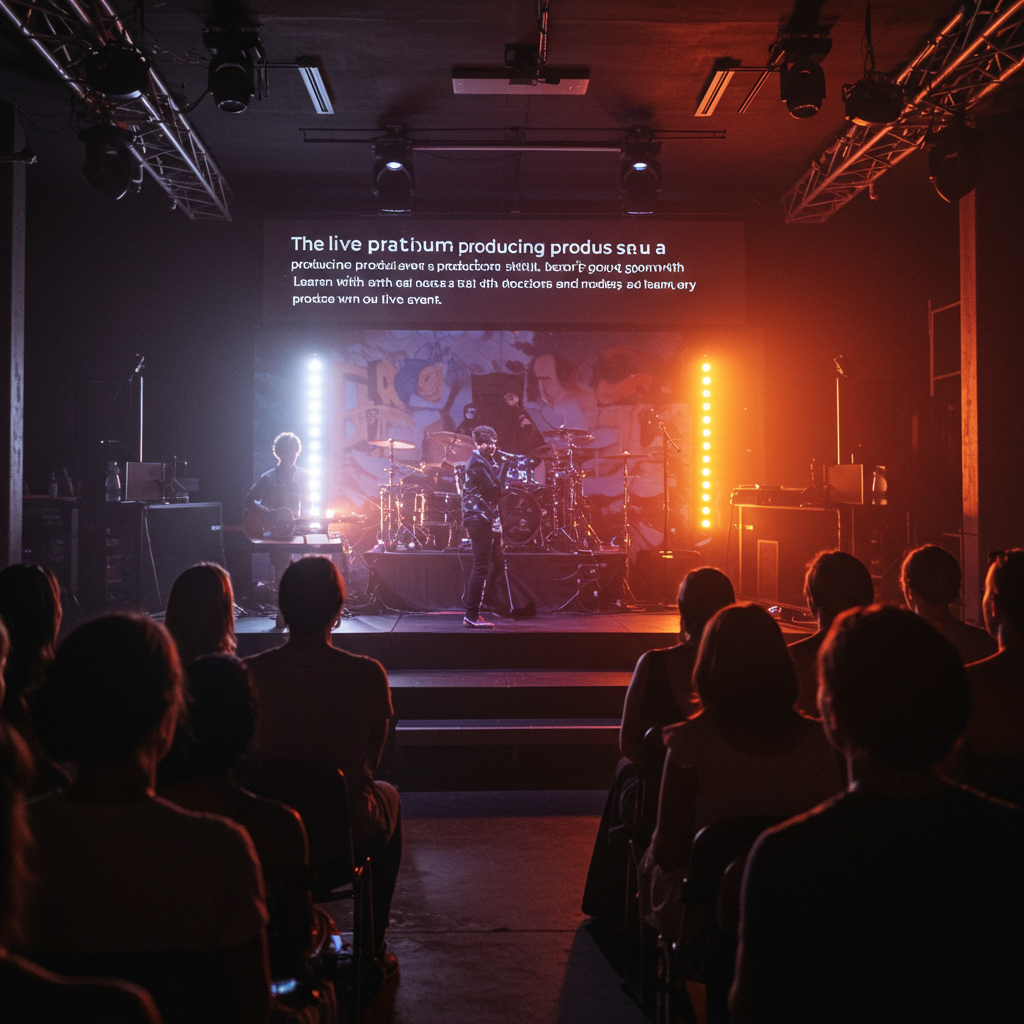
This article provides an in-depth framework for a live practicum focused on producing pop-up events. It details a project-based learning model that bridges the gap between theoretical knowledge and real-world execution. The core focus is on the complete lifecycle of a pop-up event, with a special emphasis on the critical process of securing and collaborating with real-world sponsors. This guide is designed for educational institutions, student organizations, and aspiring event professionals. It outlines actionable processes, from initial concept and sponsor acquisition to on-site management and post-event reporting. Key Performance Indicators (KPIs) such as Sponsor ROI, attendee engagement rates (AER), Net Promoter Score (NPS), and budget variance are central to the methodology, ensuring that participants gain measurable and marketable skills. The ultimate value proposition is a portfolio-worthy experience that demonstrates proficiency in the demanding world of experiential marketing and event production.
Introduction
In the dynamic landscape of modern marketing, experiential events have emerged as a powerful tool for brands to create meaningful connections with consumers. Pop-up events, in particular, offer a flexible and high-impact format for product launches, brand activations, and market testing. However, the skills required to execute these complex projects successfully are often best learned through hands-on practice. This is where the concept of a live practicum becomes invaluable. This guide explores a comprehensive model for a pop-up event production practicum with sponsors, a hands-on educational experience designed to immerse participants in every facet of event management. By working with real budgets, timelines, and corporate partners, students and aspiring professionals can move beyond the textbook and into the intricacies of negotiation, logistics, and real-time problem-solving.
The methodology presented here is built on a foundation of project-based learning, structured around measurable outcomes. Success is not just defined by a well-attended event, but by a series of quantifiable Key Performance Indicators (KPIs). These include tracking sponsor return on investment (ROI), achieving a budget variance of less than 5%, generating a Net Promoter Score (NPS) of +50 or higher from attendees, and measuring social media reach and engagement. This data-driven approach ensures that participants not only learn how to create memorable experiences but also how to provide their value to stakeholders and sponsors, a critical skill for a sustainable career in the events industry.
Vision, values and proposal
Focus on results and measurement
The vision behind this practicum model is to create the next generation of event professionals who are not only creative but also strategically and financially astute. Our mission is to bridge the significant gap between academic theory and the practical demands of the live events industry. We operate on the 80/20 principle, focusing 80% of our efforts on the 20% of activities that drive the most value: securing sponsorships, designing core attendee experiences, and meticulous financial management. Our core values are accountability, resourcefulness, and partnership. Every decision is weighed against its potential impact on the attendee experience and the sponsor’s objectives. We adhere to industry standards for safety (Event Safety Alliance) and accessibility (ADA guidelines) to ensure our productions are inclusive and professionally executed.
- Value 1: Real-world experience. Participants manage real budgets, negotiate with current vendors, and report to legitimate sponsors, creating a high-stakes, high-reward learning environment.
- Value 2: Portfolio development. The final event and its corresponding case study (including all metrics) become a tangible asset for participants’ professional portfolios.
- Value 3: Networking with the industry. Direct interaction with sponsors, vendors, and industry mentors provides invaluable networking opportunities that can lead to future employment.
- Quality criterion: ROI measurement. Every sponsorship package is designed with clear metrics to demonstrate value, moving beyond simple logo placement to quantifiable lead generation or brand sentiment shifts.
- Decision matrix: Potential projects are evaluated based on a matrix scoring their learning potential, sponsorship feasibility, and alignment with community values. Projects must score at least 75/100 to be greenlit.
Services, profiles and performance
Portfolio and professional profiles
The practicum is structured as a micro-agency, offering an end-to-end event production service. This framework allows participants to assume professional roles and manage a project from conception to completion. Key services (or learning modules) include strategic planning, sponsor acquisition and management, creative concept development, venue sourcing and negotiation, comprehensive logistics and operations management, marketing and promotions, on-site execution, and post-event analytics and reporting. Within this structure, participants take on defined roles such as Project Lead, Sponsorship Coordinator, Marketing Manager, and Operations Manager, each with specific responsibilities and performance metrics.
Operational process
- Ideation Phase (Weeks 1-2): Brainstorming concepts, conducting market research, and defining event goals and target audience. KPI: Concept paper approved with a feasibility score of >80%.
- Planning and Sponsorship Phase (Weeks 3-6): Developing a detailed project plan, budget, and sponsorship deck. Actively pitching to and securing sponsors. KPI: 75% of target sponsorship revenue secured.
- Pre-production Phase (Weeks 7-10): Booking venue, contracting vendors, launching marketing campaigns, and finalizing all logistical details. KPI: All major vendor contracts signed with a cost deviation of <5% from budget.
- Execution Phase (Week 11): Managing on-site setup, event execution, live social media, and teardown. KPI: Adherence to run-of-show with <10% schedule variance; zero safety incidents.
- Closing Phase (Week 12): Processing payments, sending thank-yous, conducting post-mortems, and compiling final reports for sponsors and stakeholders. KPI: Final report delivered to sponsor within 7 business days of event conclusion.
Tables and examples
| Objective | Indicators | Actions | Expected result |
|---|---|---|---|
| Secure Title Sponsor | $15,000 cash sponsorship; in-kind value of $5,000 | Identify 20 prospects, customize pitch deck for top 5, conduct 3 pitch meetings | One signed Title Sponsor agreement by Week 6 |
| Achieve High Attendee Satisfaction | Net Promoter Score (NPS) of +50; 90% 4/5 or 5/5 star ratings in post-event survey | Design three interactive installations, ensure minimal queue times (<5 min), provide clear signage | Positive attendee feedback validating the event concept and execution |
| Generate Media Buzz | 5 unique media placements; 1,000,000+ social media impressions; 500 uses of event hashtag | Distribute press release, invite local influencers, create shareable photo moments | Measurable online and offline coverage that amplifies brand reach for sponsors |
| Maintain Budgetary Control | Final budget variance of less than ±5% | Weekly budget reconciliation meetings, 3-quote vendor policy, 10% contingency fund | A financially successful event that demonstrates fiscal responsibility |
Representation, campaigns and/or production
Professional development and management
The production phase is where planning meets reality. This stage involves meticulous coordination of all moving parts. A key responsibility is securing all necessary permits and licenses, which can include public assembly permits, health department licenses for food and beverage, and fire safety inspections. This process often begins 6-8 weeks prior to the event. Supplier coordination is managed through a centralized communication plan and a shared production schedule. Each vendor receives a detailed brief outlining their scope of work, load-in/load-out times, on-site contact, and payment schedule. The execution calendar, or run-of-show, is the master document, breaking down the entire event day into 5-minute increments, from the first truck’s arrival to the final sweep of the venue. This level of detail is critical for a smooth execution.
- Critical Documentation: A binder (digital and physical) containing all contracts, insurance certificates (requiring a minimum of $2 million in general liability), permits, and emergency contact lists must be on-site at all times.
- Contingency Plan: A comprehensive plan must be developed for potential issues, including inclement weather (for outdoor events), medical emergencies (with on-site EMTs or a clear route to the nearest hospital), power failure (backup generator), and sponsor no-shows (pre-approved messaging).
- Inventory Management: For events with product sales or giveaways, a strict inventory management system using barcode scanners or RFID tags is implemented to track stock and prevent loss. Target stock discrepancy is <1%.
- Security: A detailed security plan is created in consultation with the venue and, if necessary, local law enforcement. This includes crowd management strategies, access control, and an emergency evacuation procedure.
Content and/or media that converts
Messages, formats and conversions
The content strategy for a pop-up event is twofold: attracting attendees before the event and engaging them during and after. The core message must be compelling and clearly articulate the “why” — why should someone take time out of their day to attend? We use the AIDA model (Attention, Interest, Desire, Action) to structure our promotional campaigns. The “hook” might be an exclusive product reveal, a celebrity appearance, or a unique interactive experience. We conduct A/B testing on our digital ad creatives to optimize for click-through rate (CTR), aiming for a CTR of >2.5%. Calls to action (CTAs) are clear and urgent, such as “Register Now for Early Access” or “Limited Spots Available.” During the event, the focus shifts to creating user-generated content (UGC). We design “Instagrammable” moments and interactive installations that encourage sharing, using a unique event hashtag to track reach. The on-site conversion goal might be lead capture (e.g., email sign-ups), product sales, or app downloads, with a target conversion rate of 15% of attendees.
Workflow for Content Production and Sponsor Acquisition
- Narrative Definition (Week 1): The marketing and sponsorship teams collaborate to create an event story that is compelling to both the audience and potential brands. The deliverable is a one-page concept document.
- Key Asset Creation (Weeks 2-3): The marketing team develops the visual assets (logo, color palette) and the talking points. Simultaneously, the sponsorship team creates the pitch deck and prospect list.
- Hangout and Prospecting Campaign (Weeks 4-6): Save-the-date posts are launched on social media. The sponsorship team begins active outreach, personalizing proposals for top-tier prospects. The goal is to secure 50% of the funding by week 5.
- Full Campaign Launch (Weeks 7-10): With confirmed sponsors, their logos are integrated into all materials. The full marketing campaign is launched, including paid advertising, influencer collaborations, and public relations. The Marketing Director is responsible for this.
- Live Event Content (Event Day): A dedicated content team captures high-quality photos and videos and manages the live stream. The goal is to post at least once every 30 minutes on key platforms.
- Post-Event Content (1 Week Later): A recap video is edited. Photo galleries are sent to sponsors and media outlets. Testimonials and success metrics are posted on social media to keep the momentum going.
Training and employability
Demand-oriented catalogue
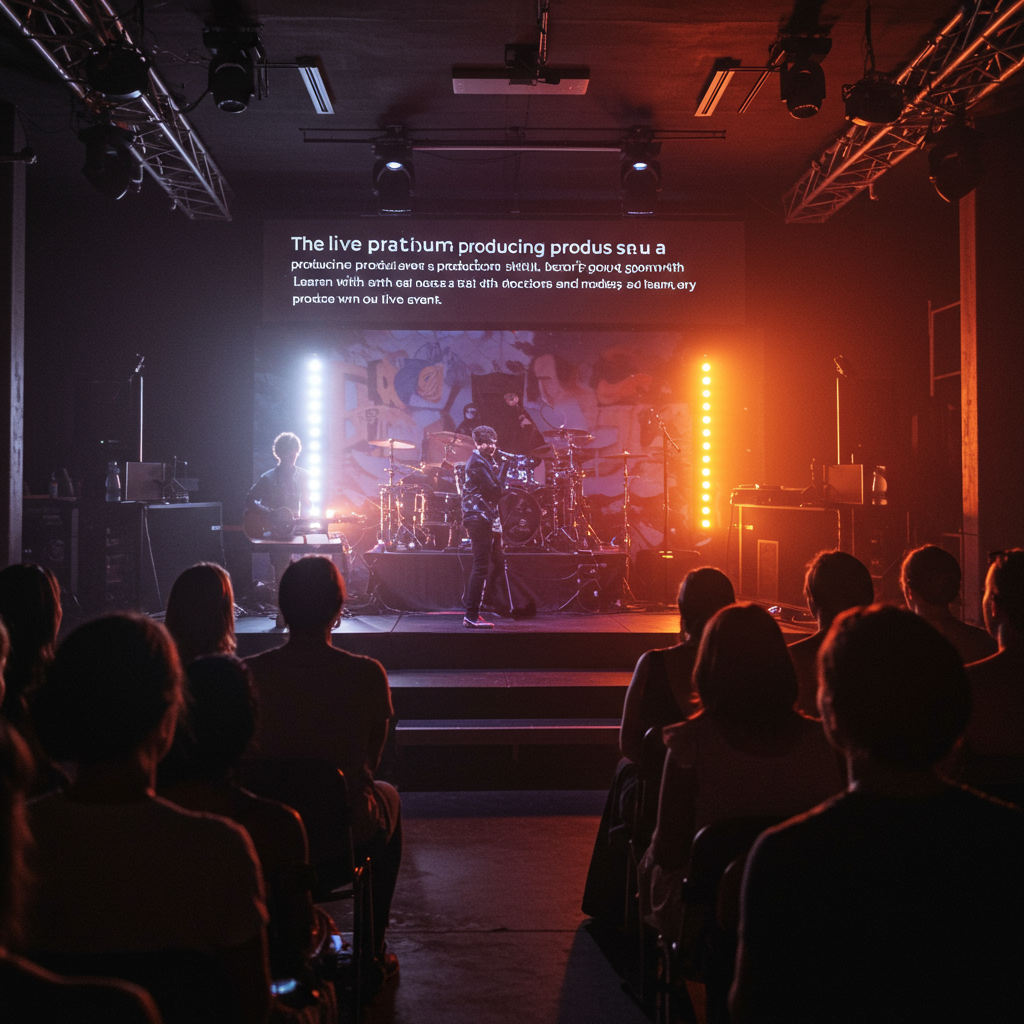
The practicum is designed around a curriculum that imparts skills directly demanded by the events and marketing industries. Each module combines theoretical instruction with practical application, ensuring participants understand both the “why” and the “how.”
Module 1: Sponsorship and Sales Proposals. Covers prospect research, creating persuasive presentations, asset valuation techniques, and negotiation strategies.
Module 2: Budgeting and Financial Management. Teaches how to create detailed event budgets, track expenses in real time, manage cash flow, and perform post-event financial reconciliation.
Module 3: Project Management for Events. Introduces project management tools such as Asana or Trello, creating timelines (Gantt charts), and managing stakeholders.
Module 4: Event Marketing and Digital Promotion. Focuses on creating An integrated marketing strategy, social media management, email marketing, public relations, and paid advertising.
Module 5: On-Site Operations and Logistics. Covers site planning, vendor management, staff scheduling, risk management, and contingency plans.
Module 6: Event Analytics and Reporting. Teaches how to establish KPIs, collect data (surveys, social media analytics, ticket sales data), and create comprehensive reports for sponsors that demonstrate ROI.
Methodology
Assessment is based on a detailed rubric system that measures competence in key areas such as strategic planning, communication, leadership, and problem-solving. 70% of a participant’s grade is based on project performance (KPI achievement, sponsor feedback, event execution), while 30% is based on individual peer and mentor evaluations. The practicum culminates in a final presentation to a panel of industry professionals, where teams present their event case study, detailing their challenges, successes, and lessons learned. The program maintains relationships with event agencies and brands to facilitate a job placement service, with the goal of securing internships or entry-level positions for 75% of participants within six months of completion.
Operational Processes and Quality Standards
From Application to Execution
- Concept Diagnosis and Approval: A team presents a pop-up event idea. A feasibility review is conducted, analyzing the target audience, sponsorship potential, and resource requirements. Acceptance criterion: Steering committee approval based on a minimum score of 75/100 on the feasibility matrix.Proposal Development and Strategic Planning: The team creates a comprehensive project plan of over 20 pages, including a detailed budget, marketing plan, sponsorship strategy, and risk analysis. Deliverable: Finalized project plan.
Pre-Production and Contracting: Negotiations with venues and suppliers begin. Contracts are signed, and deposits are paid. Marketing campaigns are launched. Acceptance criterion: All key contracts are signed, and 75% of the expenditure budget is committed.
On-Site Execution and Management: Implementation of the production plan. The operations director oversees setup, live execution, and teardown. The marketing director manages media and social media. Deliverable: Successfully executed live event.
Closure and Evaluation: All final payments are processed. Data is collected and analyzed. A post-event report is created and delivered to sponsors within 10 business days. Acceptance criteria: Final report approved by the sponsor and budget reconciliation with a deviation of <5%.
Quality Control
Defined Roles: Each team member has a clearly defined role and responsibilities to avoid overlap and ensure accountability.
Escalation Protocol: A clear protocol for decision-making. Level 1 issues are resolved by team leaders, Level 2 issues by the project manager, and Level 3 issues by the practicum director.
- Weekly Progress Meetings: Mandatory 60-minute meetings to review progress against milestones, address obstacles, and adjust plans.
- Acceptance Indicators: Each major deliverable (e.g., the pitch deck, the marketing plan) must be approved by a mentor or the practicum director before implementation.
- Service Level Agreements (SLAs) with Vendors: Contracts with vendors include specific SLAs, such as the A/V equipment being fully configured and tested 3 hours before the doors open, with penalties for non-compliance.
- Pre-productionVendor and venue contracts signed, marketing plan implemented, production schedule setAll permits obtained 2 weeks before the event; ticket sales/registrations at 80% of target 1 week priorRisk: A key vendor withdraws. Mitigation: Maintain a list of pre-qualified secondary vendors.
Phase Deliverables Control Indicators Risks and Mitigation Conceptualization Event concept document, initial feasibility analysis Alignment with learning objectives; sponsorship potential assessed as “High” Risk: Unfeasible idea. Mitigation: Staged review process with industry mentors. Planning and Sponsorship Complete project plan, detailed budget, sponsorship pitch deck, prospect list Balanced budget; 75% of sponsorship target secured in week 6 Risk: Funding not secured. Mitigation: Scalable sponsorship levels, contingency plan for a reduced budget. Execution Live event, real-time social media content, attendee experience management 95% program completion; zero security incidents; Positive feedback from sponsors on-site. Risk: Technical failure (A/V, WiFi). Mitigation: On-site technician, backup team, crisis communication plan.
Closure
Post-event report for sponsors, data analysis, final financial reconciliation
Report delivered within 10 business days; budget deviation <5%; NPS > +50
Risk: Unclear ROI data. Mitigation: Establish measurable KPIs with sponsors from the outset; Use survey and analytics tools.
Application Cases and Scenarios
Case 1: Launching an Emerging Technology App
Challenge: A tech startup needed to generate buzz and get 5,000 downloads for its new productivity app in a saturated market. They had a modest sponsorship budget of $20,000. The practicum team had 12 weeks to plan and execute the event.
Strategy: The team designed a one-day pop-up event called “Productivity Power-Up” in a central coworking space. The strategy focused on gamification. Attendees competed in productivity challenges using the app at demo stations. Secondary sponsors included a local coffee brand (providing beverages) and an ergonomic office furniture company (furnishing the space).
Execution: The event featured lightning talks from productivity influencers, interactive workstations, and a real-time leaderboard showcasing the top competitors. The team used geolocation to send push notifications to attendees, guiding them through the challenges. Entry was free but required downloading the app at the door.
Results: The event attracted over 800 attendees. 6,200 app downloads were achieved within 48 hours (24% above target). The lead sponsor reported a cost per acquisition (CPA) of $3.22, well below their average of $10 for digital ads. The event’s NPS was +65. The team stayed within budget, with a final deviation of only -1.5%.
Case 2: Sustainable Fashion Pop-up
Challenge: A local fashion designer wanted to launch her new clothing line made from recycled materials. Her goal was to generate $15,000 in sales and secure media coverage on at least three local fashion blogs. The main sponsor was a national textile company that supplied the recycled materials. Strategy: The practicum team conceptualized a two-day “Conscious Fashion Gallery” in an empty retail space in an upscale shopping area. The strategy was to combine retail with education. The space was designed to tell the story of the “journey from trash to runway,” showcasing the recycling process alongside the finished garments. The textile sponsor funded the event in exchange for prominent brand positioning and the collection of lead data.
Execution: The event included an upcycling workshop where attendees could transform old garments, a panel discussion with sustainable fashion leaders, and an on-site personal stylist to assist customers. RFID technology was used in tags to provide detailed information about the origin of each garment when held up to a smart mirror.
Results: The event generated $18,500 in sales, exceeding the target by 23%. It was featured on five fashion blogs and in a local television news segment. The textile sponsor collected over 400 qualified lead contacts and achieved an estimated ROI of 3:1 from brand exposure and business opportunities. The average attendance time was 45 minutes, indicating a high level of engagement.
Case 3: Wellness and Fitness Experience
Challenge: A national health beverage brand wanted to increase its market share in a new city. Their goal was to collect 1,000 new contacts for their newsletter and associate their brand with an active lifestyle. They organized a pop-up event production practicum with sponsors to run a weekend event. Strategy: The team created the “Urban Wellness Retreat,” a two-day pop-up event in a city park. The strategy was to offer a holistic experience that would appeal to different segments of the wellness audience. Secondary sponsors included a local yoga studio, an activewear brand, and a healthy meal delivery service.
Execution: The schedule included free yoga and HIIT classes in the morning, followed by mindfulness and nutrition workshops in the afternoon. The healthy beverage brand’s booth was the centerpiece of the event, serving samples and offering a “mix-your-own-smoothie” station. To enter a giveaway for a year’s supply of products, attendees had to sign up for the newsletter.
Results: The event had over 2,000 attendees over the weekend. The brand collected 1,750 new email leads (75% above target). The event hashtag was used over 800 times on Instagram, generating an estimated reach of 250,000. The post-event survey showed a 40% increase in purchase intent for the sponsoring brand among attendees. The event proved to be a highly effective market activation model.
Step-by-step guides and templates
Guide 1: How to create a winning sponsorship proposal
- Research and Qualification: Before writing a word, thoroughly research potential sponsors. Do their brand values align with your event? Do they target a similar audience? Do they have a history of sponsoring events? Qualify your prospects on a tiered scale (Tier 1: Perfect fit, Tier 2: Good fit, Tier 3: Possible fit).
- Write the executive summary: This is the first and most important page. In 200 words or less, summarize the opportunity: what the event is, who the audience is, why it’s valuable, and what it’s asking for.Tell your event’s story: Describe the concept, mission, and experience you’re creating. Use evocative imagery and passionate language to make the potential sponsor feel part of something special.
Detail your audience: Provide detailed demographic and psychographic data about your expected attendees. Use data from past events, if possible, or market research data. Sponsors invest in access to specific audiences.
Present sponsorship levels and benefits: Create 3-4 tiered levels (e.g., Title, Presenter, Supporter). Para cada nivel, detalle los beneficios específicos: derechos de nombre, colocación del logotipo (especifique dónde y con qué tamaño), oportunidades de hablar, espacio en el stand, inclusión en los correos electrónicos, menciones en las redes sociales, etc.
- Describa las oportunidades de activación: Vaya más allá de los logotipos. Sugiera formas creativas en que el patrocinador puede interactuar con los asistentes, como organizar un salón, una estación de carga o una experiencia interactiva.
- Demuestre el ROI: Describa cómo medirá el éxito. Incluya los KPIs que hará un seguimiento (impresiones, clientes potenciales, tráfico del sitio web, menciones en las redes sociales) y explique cómo entregará un informe posterior al evento.
- Haga la petición: Indique claramente la inversión financiera para cada nivel. Sea seguro y profesional.
- Lista de comprobación final: ¿Está personalizado para el patrocinador? ¿Es visualmente atractivo? ¿Está libre de errores? ¿Incluye información de contacto clara? ¿Ha hecho un seguimiento después de enviarlo?
Guía 2: La lista de comprobación definitiva para el local del evento pop-up
- Ubicación y accesibilidad: ¿Está en una zona con mucho tránsito peatonal? ¿Es fácil de encontrar? ¿Es accesible mediante transporte público? ¿Hay aparcamiento adecuado? ¿Cumple la normativa ADA?
- Capacidad y distribución: ¿Cuál es la capacidad máxima legal (según el código de incendios)? ¿El espacio se ajusta a la distribución que ha previsto (escenario, stands, zonas de descanso)? ¿Hay puntos de estrangulamiento en el flujo?
- Potencia y servicios públicos: ¿Hay suficientes tomas de corriente y circuitos para sus necesidades de A/V, iluminación y catering? ¿Están en los lugares adecuados? ¿Cuál es la fiabilidad del WiFi y puede soportar a sus asistentes? ¿Hay baños limpios y accesibles?
- Logística de carga: ¿Hay un muelle de carga o una zona de fácil acceso para las entregas? ¿Hay un ascensor de servicio si el espacio no está en la planta baja? ¿Cuáles son las horas de carga y descarga restringidas?
- Permisos y seguros: ¿Qué permisos se requieren para utilizar el espacio (asamblea pública, venta temporal)? ¿Proporciona el local un seguro de responsabilidad civil o necesita usted obtener el suyo propio (probablemente sí)?
- Restricciones y normas: ¿Hay restricciones sobre la señalización, la decoración (por ejemplo, no clavar nada en las paredes), el ruido (ordenanzas sobre el ruido) o el catering (lista de proveedores exclusivos)?
- Coste: ¿Cuál es la tarifa de alquiler base? ¿Qué incluye exactamente? ¿Cuáles son los costes adicionales (personal, seguridad, limpieza, sobrecostes de energía)? Pida un presupuesto detallado.
Guía 3: Elaboración de un informe post-evento impactante para los patrocinadores
- Comience con un resumen ejecutivo y un agradecimiento: Comience agradeciendo sinceramente al patrocinador su apoyo. A continuación, ofrezca un resumen de alto nivel de los éxitos del evento, destacando 3-4 KPIs clave que se cumplieron o superaron.
- Recapitulación del evento: Proporcione una visión general del evento, incluyendo las fechas, el lugar, el tema y la asistencia final (en comparación con la asistencia proyectada). Incluya fotos y vídeos de alta calidad que muestren el evento en su mejor momento.
- Análisis de la audiencia: Presente un desglose detallado de quién asistió. Incluya datos demográficos (edad, sexo, ubicación) y, si es posible, psicográficos (intereses, comportamiento de compra) recogidos a través del registro o de las encuestas.
- Cumplimiento de los beneficios del patrocinio: Cree una lista de comprobación que muestre todos los beneficios prometidos en el acuerdo de patrocinio y proporcione pruebas de su cumplimiento (por ejemplo, capturas de pantalla de las menciones en las redes sociales, fotos de la colocación del logotipo, estadísticas de apertura de correos electrónicos).
- Resultados y KPIs: Esta es la sección más crítica. Dedique una diapositiva o página a cada objetivo clave. Utilice gráficos y tablas para visualizar los datos. Incluya métricas como:
- Alcance e impresiones: Cobertura en los medios de comunicación (con enlaces), alcance en las redes sociales, impresiones de hashtags.
- Compromiso: Tasa de compromiso en las redes sociales, tiempo de permanencia de los asistentes, participación en la activación.
- Generación de leads: Número de leads recogidos en su stand, descargas de aplicaciones, inscripciones en el boletín.
- Feedback cualitativo: Testimonios de los asistentes, citas destacadas de las encuestas, sentimiento general.
- Muestras de prensa y redes sociales: Incluya un montaje de los mejores momentos, con capturas de pantalla de las publicaciones en las redes sociales (especialmente de los influencers) y enlaces a los artículos de prensa.
- Resumen del presupuesto (opcional): Para algunos socios, compartir un resumen de alto nivel que demuestre la responsabilidad fiscal puede generar confianza.
- Aprendizajes y recomendaciones: Comparta lo que ha aprendido y sugiera ideas para futuras colaboraciones. Esto demuestra que está pensando estratégicamente en una asociación a largo plazo.
- Cierre: Reitere su agradecimiento y abra la puerta a una conversación sobre el próximo año.
Recursos internos y externos (sin enlaces)
Recursos internos
- Plantilla de propuesta de patrocinio (formato de 12 diapositivas)
- Hoja de cálculo del presupuesto maestro del evento con fórmulas pre-construidas
- Lista de comprobación para la revisión de contratos con proveedores
- Plantilla de informe del practicum de producción de eventos pop-up
- Documento de resumen del personal en el lugar (roles, horarios, contactos de emergencia)
- Plantilla de informe posterior al evento para patrocinadores
Recursos externos de referencia
- Directrices de la Event Safety Alliance (ESA)
- Normas sobre diseño accesible de la Ley de Estadounidenses con Discapacidades (ADA)
- Reglamento General de Protección de Datos (GDPR) para la recopilación de datos de los asistentes (normas de la UE)
- Normas de la Asociación Nacional de Protección contra Incendios (NFPA) para reuniones públicas
- Buenas prácticas de marketing del Interactive Advertising Bureau (IAB)
Preguntas frecuentes
¿Cómo se encuentran patrocinadores para un proyecto dirigido por estudiantes?
Comience con su red inmediata: la universidad, los antiguos alumnos y las empresas locales. Investigue las empresas que se dirigen a un público estudiantil o que tienen programas de participación comunitaria. Cree una propuesta profesional que se centre en el valor que ofrece, no sólo en el hecho de que es un proyecto de estudiantes. Destaque el acceso a un público demográfico joven y deseable y las oportunidades de contenido generado por los usuarios. A menudo, las marcas más pequeñas o las empresas locales están más dispuestas a asumir un riesgo en un proyecto nuevo e innovador.
¿Cuál es un presupuesto realista para un pequeño evento pop-up?
El presupuesto puede variar drásticamente, pero un evento pop-up de un solo día, a pequeña escala, podría oscilar entre 5.000 y 25.000 $. Los principales factores de coste son el alquiler del local (que puede ser el 30-40% del presupuesto), la producción de A/V, el marketing y el personal. Para mantener los costes bajos, busque patrocinadores en especie (por ejemplo, un local que ofrezca su espacio de forma gratuita a cambio de la exposición, o un patrocinador de bebidas que cubra los refrescos).
¿Cómo se mide el ROI de un evento pop-up?
El ROI se mide comparando los beneficios obtenidos con los costes incurridos. El “retorno” no siempre es financiero. Primero, defina los objetivos con el patrocinador. Si el objetivo es la notoriedad de la marca, mida las impresiones en los medios de comunicación y en las redes sociales. Si es la generación de contactos, haga un seguimiento del número de contactos cualificados recogidos y su valor de vida estimado. Si es de ventas, haga un seguimiento de los ingresos generados en el evento. La fórmula básica es: ((Ganancia de la inversión – Coste de la inversión) / Coste de la inversión) * 100.
¿Cuáles son los mayores riesgos legales en la producción de eventos pop-up?
Los principales riesgos son las lesiones de los asistentes (responsabilidad civil), la cancelación del evento y los conflictos con los proveedores. Para mitigarlos, es esencial contar con un seguro de responsabilidad civil general completo (normalmente de 1 a 2 millones de dólares), contratos sólidos con cláusulas de cancelación claras y un plan de gestión de riesgos que incluya procedimientos de emergencia. Además, asegúrese de tener todos los permisos necesarios para evitar que las autoridades lo clausuren.
¿Qué habilidades concretas obtendré de este practicum?
Los participantes obtendrán un conjunto de habilidades duras y blandas muy demandadas. Las habilidades duras incluyen la gestión de presupuestos, la negociación de contratos, el uso de software de gestión de proyectos, el marketing digital y el análisis de datos. Las habilidades blandas incluyen el liderazgo, la comunicación, la resolución de problemas bajo presión, el trabajo en equipo y la gestión de las relaciones con los clientes (patrocinadores), lo que hace que los graduados de un pop-up event production practicum sponsors sean candidatos altamente empleables.
Conclusión y llamada a la acción
La transición de la teoría a la práctica es el reto más importante al que se enfrentan los aspirantes a profesionales de los eventos. El modelo de practicum en vivo ofrece una solución sólida, sumergiendo a los participantes en un entorno de alta fidelidad que reproduce los desafíos y las recompensas de la producción de eventos en el mundo real. Al centrarse en el ciclo de vida completo de un evento pop-up, desde la conceptualización hasta el análisis del ROI, este enfoque garantiza un aprendizaje holístico. La integración de socios corporativos reales es el ingrediente clave; eleva las apuestas, exige profesionalidad y proporciona una validación inestimable de las habilidades de los participantes. El éxito de un pop-up event production practicum con patrocinadores se mide no sólo por la ejecución impecable del evento, sino por los resultados cuantificables logrados: un NPS superior a +50, una desviación presupuestaria inferior al 5% y un ROI demostrado para los patrocinadores. Estos son los parámetros que definen a un profesional de eventos competente y preparado para la industria. Instamos a las instituciones educativas y a las organizaciones dirigidas por estudiantes a que adopten este modelo práctico para formar a la próxima generación de líderes de la industria de los eventos.
Glosario
- Brand Activation
- Un evento o experiencia que una marca crea para interactuar directamente con los consumidores y construir lealtad a la marca.
- Experiential Marketing
- Una estrategia de marketing que involucra a los consumidores en experiencias de marca en vivo y bidireccionales.
- Key Performance Indicator (KPI)
- Una métrica cuantificable utilizada para evaluar el éxito en el cumplimiento de los objetivos.
- Net Promoter Score (NPS)
- Una métrica de la experiencia del cliente que mide la lealtad y la satisfacción, basada en la probabilidad de que un asistente recomiende el evento a otros.
- Run of Show (ROS)
- Un documento detallado que desglosa la programación y las señales de un evento minuto a minuto.
- Sponsorship Deck
- Una presentación utilizada para presentar una oportunidad de patrocinio a posibles socios corporativos. También se conoce como pitch deck.
Internal links
- Click here👉 https://us.esinev.education/diplomas/
- Click here👉 https://us.esinev.education/masters/
External links
- Princeton University: https://www.princeton.edu
- Massachusetts Institute of Technology (MIT): https://www.mit.edu
- Harvard University: https://www.harvard.edu
- Stanford University: https://www.stanford.edu
- University of Pennsylvania: https://www.upenn.edu