
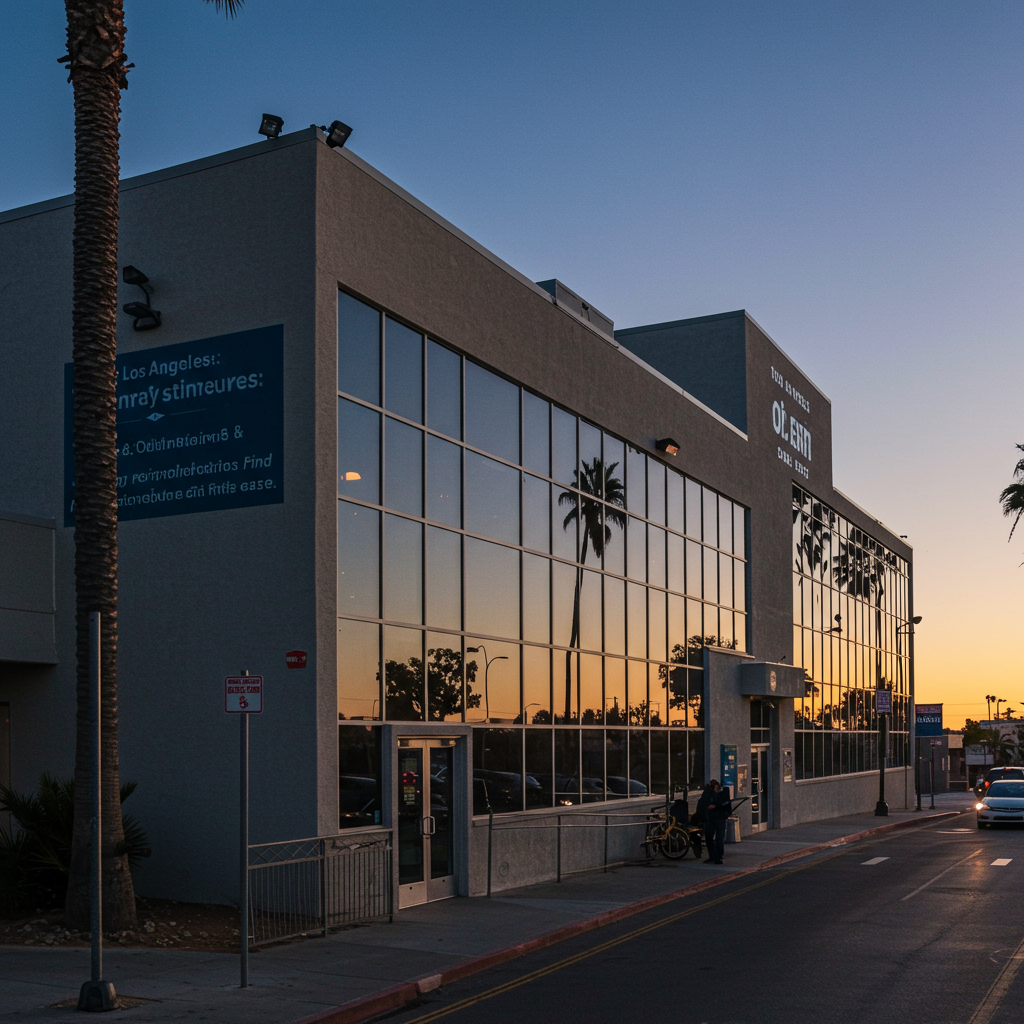
This guide serves as an essential resource for venue owners, event planners, and promoters operating within the dynamic but heavily regulated landscape of Los Angeles. Successfully managing a venue here requires more than just great service; it demands a deep understanding of the local legal framework. We delve into the critical aspects of Los Angeles venue ordinances, focusing on the regulations that most frequently impact operations: noise control, zoning permits, and alcohol licensing. By providing a clear breakdown of decibel limits, the Conditional Use Permit (CUP) process, and community engagement strategies, this article offers an actionable roadmap. The primary goal is to empower stakeholders to move from a reactive, problem-solving stance to a proactive compliance strategy, thereby mitigating risks of fines, license revocation, and community friction, while improving operational efficiency and building a reputable, sustainable business.
Introduction
Los Angeles is a global hub for entertainment, culture, and events. From intimate concerts in Silver Lake to lavish corporate galas in Beverly Hills, the city’s venues are the lifeblood of its social fabric. However, this vibrant ecosystem operates within one of the most complex regulatory environments in the United States. For venue operators and event producers, navigating the intricate web of los angeles venue ordinances is not just a matter of legal obligation—it is a fundamental component of business viability. Failure to comply can result in crippling purposes, suspension of operations, and irreparable damage to a venue’s reputation. The challenges are multifaceted, encompassing strict noise control laws that vary by zone and time of day, labyrinthine zoning and permitting requirements, and stringent rules governing the service of alcohol.
This guide provides a systematic methodology to deconstruct these regulations and implement robust compliance frameworks. We will analyze the core components of the Los Angeles Municipal Code (LAMC) relevant to venues, offering practical, step-by-step processes for auditing operations, training staff, and engaging with community stakeholders. Success will be measured by key performance indicators (KPIs) such as a 100% permit compliance rate, a target reduction in community-filed complaints by over 50%, and a measurable decrease in the time and resources spent on regulatory issues. By adopting these strategies, venues can transform the burden of compliance into a competitive advantage, signaling reliability and professionalism to clients and the community alike.
Vision, values and proposal
Focus on results and measurement
Our vision is to foster a Los Angeles event industry where venues thrive commercially while serving as respected and valued members of their local communities. This is achieved not by fighting regulations, but by mastering them. Our core values are operational excellence, proactive community engagement, and data-driven decision-making. We apply the 80/20 principle, focusing efforts on the 20% of ordinances—primarily noise, operating hours, and alcohol service—that cause 80% of conflicts and violations. Our proposal is to equip venues with the knowledge and tools to integrate compliance seamlessly into their operations, turning a potential liability into a mark of distinction and a key selling point.
- Propositive Value: Transform regulatory compliance from a cost center into a strategic asset that enhances brand reputation and operational stability.
- Quality Criteria: All procedures must be auditable, repeatable, and aligned with the latest LAMC and state-level requirements. Success is defined by measurable outcomes like reduced goals and increased positive community feedback.
- Decision Matrix: Venue policies should be prioritized based on a risk/impact analysis. High-risk areas (e.g., potential for CUP revocation) receive immediate attention and resource allocation over lower-risk issues (e.g., minor signage violations).
- Technical Standard: Adherence to standards set by the American National Standards Institute (ANSI) for sound measurement and by the City of Los Angeles Department of Building and Safety (LADBS) for occupancy and safety.
Services, profiles and performance
Portfolio and professional profiles
To effectively manage the demands of Los Angeles venues ordinances, a multi-disciplinary approach is required. We offer a suite of specialized consulting services designed to address every facet of regulatory compliance, delivered by experienced professionals.
- Compliance Audits: A comprehensive review of a venue’s operations, permits, and physical plant against all applicable local and state regulations. Performed by a Compliance Specialist.
- Allow & Licensing Strategy:End-to-end management of applications for Conditional Use Permits (CUPs), entertainment permits, and ABC licenses. Handled by a Land-Use Consultant.
- Acoustical Engineering & Sound Management: Scientific analysis of sound propagation, design of mitigation systems (soundproofing, speaker placement), and creation of operational sound protocols. Executed by an Acoustical Engineer.
- Community & Government Relations:Proactive liaison with neighborhood councils, homeowners’ associations, LAPD, and city officials to build positive relationships and mediate potential conflicts. Managed by a Public Affairs Specialist.
Operational process
- Phase 1: Diagnostic & Risk Assessment:We conduct an initial site visit and documentation review to identify all potential compliance gaps. (KPI: Identify >95% of critical risks in the first pass).
- Phase 2: Strategy & Planning:A detailed compliance plan is developed, prioritizing actions based on risk level and outlining required investments and timelines. (KPI: Action plan approved by client with <10% revision).
- Phase 3: Implementation: We manage the execution of the plan, from filing permits to overseeing the installation of soundproofing and training staff. (KPI: 90% of milestones met on schedule).
- Phase 4: Monitoring & Optimization:We establish ongoing monitoring systems (e.g., real-time sound monitoring) and conduct periodic reviews to ensure sustained compliance and adapt to new regulations. (KPI: Reduction in compliance-related incidents by 75% within 12 months).
Tables and examples
| Objective | Indicators | Actions | Expected result |
|---|---|---|---|
| Achieve Full Compliance with LAMC Noise Ordinance | Decibel (dBA) readings at property line; Number of official complaints | Install sound-absorbing panels; train staff on sound level meter usage; implement a strict music cut-off policy. | Zero noise citations per year; complaint rate below one per quarter. |
| Secure Long-Term Operational Certainty | Status of Conditional Use Permit (CUP); Number of permit conditions | Engage community before filing; submit a professionally prepared application with a robust operational plan. | CUP granted with favorable, clear, and manageable conditions. |
| Improve Community Relations | Net Promoter Score (NPS) from neighborhood council; number of positive vs. negative mentions at meetings | Establish a community hotline; attend neighborhood council meetings; sponsor a local event. | Shift from adversarial to collaborative relationship; NPS > 20. |
Representation, campaigns and/or production
Professional development and management
For event producers, compliance is a production logistics as critical as lighting or catering. Integrating regulatory requirements into the event lifecycle from the very beginning is non-negotiable. This involves meticulous planning around permits, vendor management, and execution protocols. The goal is a flawless event where compliance is invisible to the guests but rigorously managed behind the scenes. Key focus areas include securing the correct event-specific permits, ensuring all third-party vendors are aware of and contractually bound to the venue’s rules, and having a clear chain of command for handling any issues that may arise, from a noise complaint to a surprise inspection.
- Critical Documentation Checklist:
- Venue’s Certificate of Occupancy and current operating permits (CUP, Live Entertainment).
- Event-specific permits (e.g., Special Event Permit, temporary street closure permits).
- Valid ABC license for alcohol service.
- Fire Marshall approval for floor plan and capacity.
- Certificates of Insurance from all vendors.
- Signed agreements from DJ/Band acknowledging sound level limits.
- Contingency Planning:
- Noise Complaint Protocol: Who is the designated point person? What is the immediate action (e.g., lower volume by 10%)? How is the interaction logged?
- Medical Emergency Plan: Designated first aid station, clear access for EMTs, staff trained in basic response.
- Security Incident Protocol: De-escalation procedures, communication plan with on-site LAPD officers or private security, and incident reporting.
Content and/or media that converts
Messages, formats and conversions
How a venue communicates its commitment to the los angeles venue ordinances can be a powerful marketing tool. Instead of presenting rules as restrictive, frame them as a commitment to professionalism, safety, and community respect. This builds trust with high-end corporate and private clients who cannot afford the risk of an event being shut down. The key is to integrate this messaging across all client-facing materials, from the website to the final contract. This transparency not only educates clients but also filters for those who are willing to partner in executing a responsible and successful event. A venue known for its seamless, compliant operations becomes a preferred choice for experienced event planners.
- Website Content Development: Create a dedicated page or a detailed section in the FAQ titled “Our Commitment to a Safe and Respectful Event Environment.” Clearly explain key policies on sound, capacity, and closing times.
- Sales & Marketing Collateral:Develop a one-sheet PDF for sales kits that highlights the venue’s compliance record, state-of-the-art sound mitigation features, and strong community ties. Use testimonials from event planners praising the professional environment.
- Client Onboarding Packet: Upon booking, provide clients with a clear, concise “Event Guidelines” document. Use graphics and simple language to explain what they and their vendors need to know.
- On-Site Signage: Display elegant, well-designed signage at key locations (e.g., entrance, bar) that gently reminds guests of house rules, such as designated smoking areas or ride-share pick-up points.
- Contract Language: Work with a lawyer to incorporate clear, unambiguous clauses in event contracts that detail the client’s responsibility in adhering to venue policies and municipal codes.
Training and employability
Demand-oriented catalogue
A venue’s staff is its first line of defense in maintaining compliance. A well-trained team can prevent issues before they start and manage them effectively when they arise. We propose a structured training program to create a culture of compliance from the ground up, turning every staff member into a risk manager. This investment in human capital not only protects the venue but also enhances employee skills, making them more valuable professionals in the hospitality industry.
- Module 1: Foundations of Venue Compliance in LA: An overview of the key agencies (City Planning, LADBS, ABC, LAPD) and the core regulations governing venue operations.
- Module 2: The Science and Art of Sound Management: Practical training on how to use a sound level meter, understand decibel readings, and communicate effectively with DJs and musicians about volume levels.
- Module 3: Responsible Alcohol Service & ABC Regulations:Beyond standard certification, this module covers LA-specific issues, such as rules on bottle service, licensed hours, and dealing with over-intoxication.
- Module 4: De-escalation & Conflict Resolution: Role-playing scenarios on how to handle interactions with agitated neighbors, uncooperative guests, and city inspectors.
- Module 5: The Venue’s Operational Plan: A deep dive into the venue’s specific CUP conditions, emergency procedures, and internal reporting protocols.
Methodology
Training is delivered through a blended learning approach, combining online modules with in-person workshops and practical drills. Competency is assessed using a formal rubric that measures not only knowledge but also practical application during simulated scenarios. Upon successful completion, staff receive a “Certified Venue Compliance Professional” designation, which can be tied to career progression and performance reviews. This creates a clear path for advancement and professionalizes the roles of event staff, improving retention and performance.
Operational processes and quality standards
From request to execution
- Initial Inquiry & Vetting:Assess the proposed event against the venue’s permit limitations (e.g., event type, capacity, hours). Reject non-compliant inquiries early. (Deliverable: Vetting Checklist).
- Contracting & Onboarding:The contract includes a compliance rider signed by the client. An onboarding meeting is held to walk through all rules. (Deliverable: Signed Contract & Compliance Rider).
- Pre-Production Planning: A mandatory walkthrough with the client, planner, and key vendors (especially audio) is conducted 1-2 weeks prior to the event. Sound levels are pre-set and agreed upon. (Deliverable: Final Event Plan).
- Event Execution: The on-site manager actively monitors compliance using a checklist. Sound levels are logged hourly. Security maintains crowd control and ensures orderly departure. (Deliverable: Hourly Compliance Log).
- Post-Event Debrief & Reporting:An internal debrief is held to review any incidents. A summary report is created. Follow-up communication is sent to the client. (Deliverable: Post-Event Report).
Quality control
- Roles: The Manager on Duty is responsible for real-time compliance. The General Manager reviews all logs weekly. An independent consultant may conduct quarterly surprise audits.
- Escalation Path: A minor issue (e.g., music 3 dB over limit) is handled by the Manager on Duty. A formal complaint or visit from authorities is immediately escalated to the General Manager or owner.
- Service Level Agreements (SLAs): All neighbor complaints must be acknowledged within 1 hour and a formal response provided within 24 hours. All compliance logs must be filed within 12 hours of an event’s conclusion.
| Phase | Deliverables | Control indicators | Risks and mitigation |
|---|---|---|---|
| Pre-Production | Signed Vendor Agreements; Final Floor Plan | All vendor insurance is on file; Fire Marshall has approved the layout. | Risk: DJ arrives with oversized sound system. Mitigation: Rider specifies max speaker size and power; pre-event sound check is mandatory. |
| Execution | Hourly Sound Level Log; Security Incident Reports | Sound levels do not exceed 85 dBA at mix position; zero unauthorized exits used by guests. | Risk: Guests become loud in the parking lot after closing. Mitigation: Security staff actively patrol exterior areas for 30 minutes post-event to encourage quiet dispersal. |
| Closing | Completed Post-Event Report; Client Feedback Survey | 100% of logs are complete and accurate; customer satisfaction score > 8/10. | Risk: Damage to property is discovered after the event. Mitigation: Pre- and post-event walkthroughs with the client are mandatory and documented with photos. |
Cases and application scenarios
Case 1: The Hollywood Nightclub Revitalization
A historic nightclub in Hollywood was on the verge of losing its Conditional Use Permit due to dozens of noise complaints and several public nuisance citations over a year. The core problem was a combination of an inadequate sound system that was pushed too hard, poor building insulation, and a confrontational relationship with the local residents’ association. We were brought in to devise a turnaround strategy. The solution was a three-pronged approach. First, we commissioned an acoustical study and invested $75,000 in comprehensive soundproofing, including double-paned windows, acoustic baffles, and a “bass trap” foundation. Second, we replaced their sound system with a high-fidelity, directional array system that focused sound on the dance floor, and implemented a strict “house level” policy capped at 95 dBA, monitored in real-time. Third, we initiated a dialogue with the residents’ association, presenting our mitigation plan and establishing a 24/7 hotline for direct communication. The results were transformative. Within six months, formal complaints dropped by 95%. The city renewed their CUP with commendations for their proactive approach. This improved reputation allowed them to attract a more sophisticated clientele, increasing their average nightly revenue by 20% and securing their long-term future.
Case 2: The Arts District Warehouse Blank-Canvas Venue
An operator leased a large warehouse in the Arts District, intending to run it as a versatile venue for art shows, corporate events, and weddings. They were operating under a patchwork of costly and unreliable Special Event Permits. The challenge was securing a permanent CUP in a mixed-use neighborhood with a growing number of residential lofts. Our strategy focused on proving the venue would be a community asset, not a liability. We developed a detailed operational plan that was far more robust than the city required. It included provisions for all amplified sound to end at 11:00 PM on weekdays, a partnership with a nearby parking garage to eliminate street parking, a dedicated ride-share zone to prevent traffic congestion, and a hiring program that prioritized local residents. We also presented architectural plans that showed significant investment in aesthetics and sound insulation. By meeting with the neighborhood council and adjacent property owners *before* filing the application, we were able to gain their support. The Zoning Administrator approved the CUP without any public opposition. The venue now operates with full legal certainty, has reduced its annual permitting costs by an estimated $30,000, and is a celebrated part of the local community.
Case 3: The Santa Monica Restaurant’s Outdoor Patio Expansion
A popular restaurant near the beach wanted to add live acoustic music to its outdoor patio to boost evening business. However, their location was adjacent to a residential zone, making any amplified sound a major concern under the local code, which is even stricter than LA’s. The initial application was denied. We approached the problem with data. We hired an acoustic engineer to conduct a sound propagation study. Using a small, high-quality amplifier and a single musician, we took dozens of readings. The study proved that by positioning the musician in a specific corner, using a low-wattage, highly directional speaker, and limiting the volume to 80 dBA at the source, the sound level at the nearest residential property line was indistinguishable from the ambient noise of the city and surf (approximately 48 dBA). We presented these verifiable scientific findings, along with a signed agreement to a strict set of operational conditions, to the planning department. The permit was granted on a probationary basis. After six months with zero complaints, it was made permanent. The restaurant’s patio revenue increased by 35% on music nights, creating a significant new income stream.
Step-by-step guides and templates
Guide 1: How to Respond to an Official Noise Complaint
- Do Not Panic: Receive the notice (from LAPD or LADBS) calmly. Read it carefully to understand the specific allegation (time, date, nature of the complaint).
- Immediate Action: If the complaint is about an ongoing event, immediately lower the music volume as a sign of good faith. The manager on duty should personally verify the sound level at the property line.
- Engage Respectfully: If an officer is on-site, be cooperative and professional. Provide your permits and explain your sound management plan. Do not be argumentative.
- Document Everything: Log the time of the complaint, the name and badge number of the officer, your sound level readings before and after taking action, and any conversations you had.
- Internal Review: After the event, review your logs. Was the complaint valid? Did your staff follow protocol? Was there an equipment malfunction?
- Formal Response: Draft a formal written response to the issuing department. Detail the steps you took to address the specific complaint and the measures you are implementing to prevent a recurrence. This may include new staff training, equipment upgrades, or revised operational policies.
- Community Outreach: If possible, identify the complainant (if not anonymous) and reach out through a neutral third party or a letter to respectfully open a line of dialogue.
- Checklist:
- Notice received and understood?
- Immediate corrective action taken?
- Interaction with authorities was professional?
- Incident fully documented?
- Internal review conducted?
- Formal response submitted?
Guide 2: Checklist for Vendor Compliance
- Contractual Agreement: Ensure your standard vendor contract includes a clause requiring them to comply with all venue rules and city ordinances, with specific mention of noise limits.
- Pre-Event Briefing: Hold a mandatory briefing or provide a detailed info packet for all key vendors, especially the production company, DJ, or band.
- Insurance Verification: Collect and verify a Certificate of Insurance (COI) from every vendor, ensuring coverage meets your minimum requirements.
- Power Requirements: Confirm the power needs of audio and lighting vendors to prevent electrical issues. Ensure they use appropriate cable management to avoid trip hazards.
- Load-in/Load-out Schedule: Provide a strict schedule for arrival, setup, breakdown, and departure that complies with neighborhood quiet hours.
- On-Site Point of Contact: Designate a venue manager as the sole point of contact for all vendors to streamline communication and enforce rules.
Guide 3: Developing a Neighborhood Communication Plan
- Identify Stakeholders: Make a list of immediate residential and commercial neighbors, the local homeowners’ association, and the elected representative for your Neighborhood Council.
- Create a Contact List: Compile email addresses and phone numbers. Designate a single person at your venue to be the community liaison.
- Proactive Notification: For unusually large or potentially disruptive events, provide advance notice to your immediate neighbors. A simple letter or email a week in advance can build significant goodwill.
- Establish a Hotline: Create a dedicated phone number that a neighbor can call or text during an event to report an issue directly to the on-site manager, allowing you to solve it before they call the police.
- Attend Meetings: Make a point to attend Neighborhood Council meetings periodically. Introduce yourself, provide positive updates, and listen to any community concerns.
- Be a Good Neighbor: Keep your property’s exterior clean and well-maintained. Participate in or sponsor local community events. These small gestures show you are an invested part of the neighborhood.
Internal and external resources (without links)
Internal resources
-
- Template: Venue Operations Manual for Compliance
- Template: Event Sound Management Plan
- Checklist: Pre-Event Client Compliance Review
– Checklist: Hourly On-Site Manager Compliance Log
- Form: Security Incident Report
External reference resources
- Los Angeles Municipal Code (LAMC), Chapter XI – Noise Regulation
- Los Angeles Department of City Planning – Public Zoning Information
- California Department of Alcoholic Beverage Control (ABC) – License Type Descriptions
- Los Angeles Fire Department (LAFD) – Public Assembly Requirements
- Best Practices: Institute of Noise Control Engineering (INCE) Handbooks
Frequently asked questions
What is the most common mistake venues make regarding Los Angeles venue ordinances?
The most common mistake is being reactive instead of proactive. Many venues wait until they receive a complaint or a citation to address compliance issues. An approach involves understanding your specific permits, proactively regularly monitoring your own sound output, training staff, and building positive relationships with your neighbors before problems arise.
Do I need a special permit to have a DJ or a live band?
Yes, in most cases. A general Certificate of Occupancy for a restaurant or banquet hall does not automatically grant the right to have live entertainment. You typically need a specific entertainment permit or a Conditional Use Permit (CUP) that explicitly allows for it. Violating this is a serious offense that can lead to a shutdown of operations.
How are the noise limits actually measured and enforced?
Enforcement officers (from LADBS or LAPD) use a calibrated Sound Level Meter. According to the LAMC, the primary test is whether your venue’s noise increases the ambient noise level at the property line of a residential property by more than 5 decibels. This means if the street is quiet, your allowable noise level is also very low. They measure this “delta” rather than a single fixed number in many cases.
What is a Conditional Use Permit (CUP) and why is it so important?
A CUP is a special permit granted by the Department of City Planning that allows a use of property that isn’t automatically permitted by the base zoning. For many venues, things like serving alcohol past a certain time, having live entertainment, or operating in certain zones are only possible with a CUP. It comes with a detailed list of “conditions” you must follow. Violating these conditions can lead to the revocation of the permit, effectively putting you out of business.
Can I be held responsible for the behavior of my guests after they leave my property?
To some extent, yes. Your CUP conditions will almost certainly include a requirement for you to manage the orderly dispersal of your patterns. This means you are responsible for preventing guests from loitering, causing noise, or littering in the immediate vicinity of your venue after closing. This often requires having security staff manage your exit and patrol nearby areas for a period after the event ends.
Conclusion and call to action
The regulatory landscape for Los Angeles venues is undeniably challenging, but it is not unmanageable. Success hinges on a fundamental shift in perspective: compliance is not a bureaucratic hurdle, but a cornerstone of a professional, sustainable, and profitable business strategy. By implementing the structured processes, training programs, and community engagement tactics outlined in this guide, venue operators can mitigate risk, enhance their reputation, and build a competitive advantage. Mastering the nuances of los angeles venue ordinances is an investment that pays dividends in operational stability, client trust, and long-term viability. We encourage you to use this guide as a starting point to perform a comprehensive audit of your current operations. Identify your areas of highest risk, develop a clear action plan, and empower your team with the knowledge they need to excel. For a personalized assessment and expert guidance, reach out to our team of compliance specialists.
Glossary
- CUP (Conditional Use Permit)
- A discretionary permit granted by the Department of City Planning that allows a land use not otherwise permitted in a specific zoning district, subject to a set of binding operational conditions.
- dBA (A-weighted decibels)
- A measure of sound pressure level weighted to match the sensitivity of the human ear. It is the legal standard for measuring noise in most municipal codes, including Los Angeles.
- Ambient Noise
- The all-encompassing, background sound level of an environment at a given moment, composed of sounds from all sources. A key metric in noise ordinances, as a venue’s sound cannot raise it by more than a set amount (typically 5 dB).
- LAMC
- Los Angeles Municipal Code, the codified body of laws and regulations for the City of Los Angeles.
- ABC
- The California Department of Alcoholic Beverage Control, the state agency responsible for licensing and regulating the sale of alcoholic beverages.
- Leq (Equivalent Continuous Sound Level)
- The average sound energy over a specified period. It’s a way to represent a fluctuating noise level with a single, representative number.
Internal links
- Click here👉 https://us.esinev.education/diplomas/
- Click here👉 https://us.esinev.education/masters/
External links
- Princeton University: https://www.princeton.edu
- Massachusetts Institute of Technology (MIT): https://www.mit.edu
- Harvard University: https://www.harvard.edu
- Stanford University: https://www.stanford.edu
- University of Pennsylvania: https://www.upenn.edu