
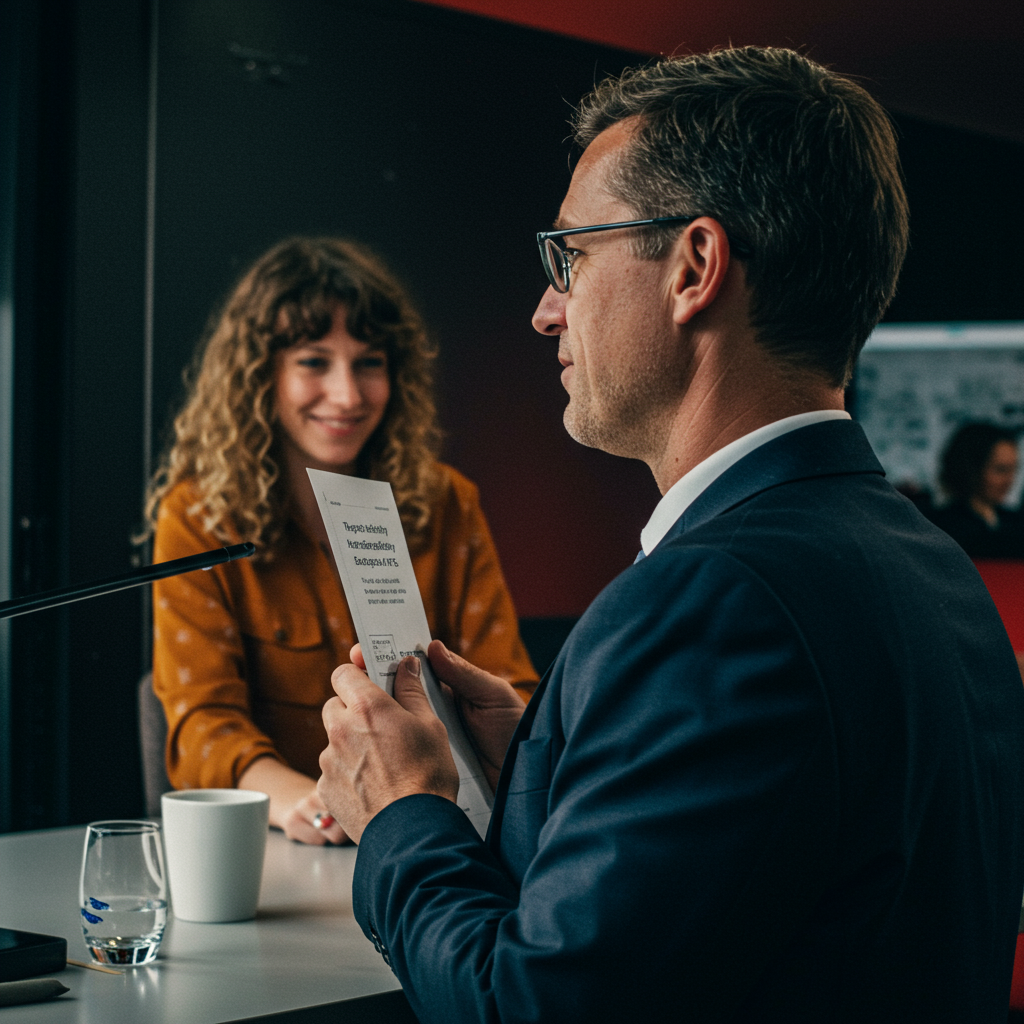
This definitive guide explores the multifaceted discipline of sports hospitality suite management, transforming it from a simple corporate perk into a powerful business development and brand-building tool. We delve into the strategic curation of guest lists, the meticulous planning of bespoke experiences, and the critical measurement of sponsor key performance indicators (KPIs). For corporate event managers, marketing directors, and sponsorship coordinators, this article provides a comprehensive framework for maximizing return on investment. We will cover operational processes, staff training, risk mitigation, and actionable strategies to ensure every event is a resounding success, measured by metrics like Net Promoter Score (NPS), lead conversion rates, and media value equivalency. The focus is on delivering a seamless, high-value experience that strengthens client relationships and achieves tangible business objectives.
Introduction
In the competitive landscape of corporate marketing and client relations, the sports hospitality suite has evolved far beyond a mere location for premium seating. It is now a strategic environment where relationships are forged, deals are initiated, and brand loyalty is solidified. However, the difference between a memorable, impactful event and a costly, forgotten afternoon lies in a single discipline: effective sports hospitality suite management. This comprehensive approach encompasses everything from the strategic science of guest list curation to the precise art of delivering a flawless guest experience, all while proving tangible value to stakeholders and sponsors through robust Key Performance Indicators (KPIs). Without a structured management process, a multi-million dollar asset can easily underdeliver, becoming a logistical headache rather than a business accelerator.
This article provides a detailed methodology for mastering the complexities of managing a corporate hospitality suite. We will dissect the entire lifecycle of an event, from initial objective setting and budget allocation to post-event analysis and reporting. The focus will be on quantifiable results and operational excellence. We will measure success not just by anecdotal feedback, but through a dashboard of metrics including Cost Per Guest (CPG), Guest Satisfaction (GSAT) scores, lead generation value, social media engagement rates, and the direct impact on customer retention. By implementing the frameworks, checklists, and best practices outlined here, organizations can transform their hospitality programs into highly efficient, data-driven engines for growth and brand enhancement.
Vision, values and proposal
Focus on results and measurement
The core vision of modern sports hospitality suite management is to transition the function from a cost center to a profit and value-generation center. This requires a shift in mindset, treating every event as a targeted campaign with clear objectives. Our values are rooted in precision, proactivity, and proof. We apply the Pareto Principle (80/20 rule), focusing 80% of our resources on the 20% of activities that drive the most significant results—namely, guest selection, personalized experience, and sponsor integration. Our technical standards are high, adhering to health and safety regulations (e.g., ISO 45001), food safety protocols (HACCP), and data privacy laws (GDPR/CCPA) for guest information. The ultimate proposal is simple: to deliver a consistently exceptional experience that is strategically aligned with corporate goals and demonstrably valuable through clear, concise reporting.
- Strategic Value: Aligning every event with specific business goals, whether it’s client retention, new lead generation, product launches, or employee recognition.
- Operational Excellence: Implementing standardized, repeatable processes to ensure flawless execution, minimize risks, and control costs, aiming for a budget variance of less than 5%.
- Rigorous Measurement: Moving beyond “a good time” to quantify success through a balanced scorecard of financial, marketing, and relationship-based KPIs.
- Personalization at Scale: Using guest data to tailor the experience—from dietary preferences to business interests—creating a memorable and personal connection.
- Data-Based Decision Making: Utilizing post-event data to refine future strategies, optimize guest lists, and improve overall program ROI.
Services, profiles and performance
Portfolio and professional profiles
A full-service sports hospitality suite management offering is a turnkey solution covering the entire event lifecycle. Key services include strategic event planning, guest invitation and RSVP management, on-site event execution, catering and vendor coordination, sponsor activation logistics, and post-event analytics and reporting. This requires a team of specialized professionals: an Account Manager who serves as the main client liaison and strategist; an Event Coordinator who handles all logistical details, from ticketing to transportation; On-site Hosts trained in VIP service and brand ambassadorship; and a Data Analyst who measures performance and generates insights. The synergy of these roles ensures that the strategic vision is executed flawlessly on the ground.
Operational process
- Discovery and Strategy Phase (Weeks 1-2): Client consultation to define event objectives, target audience, and KPIs. KPI: Alignment score >90% on objectives.
- Planning and Budget Phase (Weeks 3-4): Detailed budget creation, guest list criteria definition, vendor selection, and creation of a comprehensive event playbook. KPI: Budget approved with <5% deviation from initial estimate.
- Implementation and Invitation Phase (Weeks 5-8): Sending invitations, managing RSVPs, coordinating all logistical elements (catering, staffing, branding). KPI: RSVP rate of >40% from Tier 1 invitees.
- Execution Phase (Event Day): Flawless on-site management, host coordination, guest reception, and sponsor activation. KPI: On-site GSAT survey score of >8.5/10.
- Post-Event and Analysis Phase (1-2 Weeks Post-Event): Sending thank-you notes, conducting follow-up surveys, compiling data, and delivering a final performance report with ROI analysis. KPI: Report delivered within 7 business days.
Tables and Examples
Create a profile for each guest, personalize gifts, and facilitate strategic presentations.Strengthen relationships and demonstrate customer value, leading to renewals.Generate 10 new C-level leads.Number of follow-up meetings scheduled; Weighted value of the sales pipeline.Invite qualified prospects, assign a host executive to each, and record interactions in the CRM.Sales pipeline of over $500,000 generated from the event.Maximize sponsor exposure.Mentions on social media with the event hashtag > 100; Media Equivalent Value (MEV) > $20,000.Integrate the sponsor’s brand into key touchpoints (menus, uniforms, giveaways), creating a “photo opportunity.”The sponsor receives measurable brand exposure and a positive ROI report.Control operating costs.Cost per guest < $750; Budget deviation < 3%.Negotiate contracts with suppliers, optimize F&B orders, and utilize staff efficiently.Deliver the event within the approved budget without compromising the quality of the experience.
| Objective | Key Performance Indicators (KPIs) | Key Actions | Expected Result |
|---|---|---|---|
| Increase key customer retention | NPS > 50; 95% contract renewal rate among attendees. |
Representation, campaigns, and/or production
Professional development and management
The production aspect of sports hospitality suite management is where strategy meets reality. It involves a detailed execution calendar, often managed through project management software like Asana or Trello. This includes securing all necessary permits (e.g., for special installations or temporary structures), vetting and contracting with third-party vendors (catering, security, AV, floral), and ensuring all have adequate insurance coverage. A key part of production is creating a comprehensive logistics plan, covering everything from ticket distribution and parking passes to dietary requirement management and accessibility for guests with disabilities. Contingency planning is paramount; this means having backup plans for inclement weather, transportation delays, or vendor no-shows. The goal is a seamless, stress-free experience for the guests, where the complexity of the production is entirely invisible.
Critical Documentation Checklist: Signed contracts with all suppliers, insurance certificates, approved floor plans, and final guest lists with emergency contact information.
Supplier Contingency Plan: Have at least one pre-approved backup catering and staff supplier in case of the primary supplier’s failure.
Crisis Communication Plan: A clear call tree and communication protocol to handle any on-site incident, from a medical emergency to a security breach.
Pre-Event Staff Briefing: A mandatory meeting with all on-site staff (hosts, servers, security) to review the timeline, key guest profiles, event objectives, and emergency protocols.
- Welcome and Farewell Protocol: Standardized procedures for greeting each guest by name and ensuring a personal and organized send-off, often with a parting gift.
Content and/or Media that Convert
Messages, Formats, and Conversions
The hospitality suite is a content-generation engine. The experience itself is the primary content, but it must be captured and leveraged to extend its reach and impact. The key is to create “shareable moments”—a beautifully designed photo wall with corporate and sponsor branding, a surprise guest appearance by a sports legend, or a unique culinary experience. A professional photographer and videographer are essential to capture high-quality assets. These assets are then used in post-event communications, such as personalized thank-you emails with a link to a photo gallery, recap videos for social media, and internal communications showing the event’s success. A/B testing can be used on email subject lines for invitations to optimize open rates. The primary call-to-action (CTA) after the event is typically to schedule a follow-up meeting. The conversion rate of this CTA is a critical KPI for measuring sales impact and is a core part of effective sports hospitality suite management.
- Pre-Event: Create anticipation with “teaser” content. “Save the Date” emails followed by formal invitations with a clear itinerary and a touch of exclusivity. LinkedIn profiles of the company hosts can share anticipation for the event.During the Event: Capture live content. Professional photography, short video clips for Instagram Stories or LinkedIn. Encourage user-generated content (UGC) with a unique hashtag and an incentive (e.g., “best post wins a prize”).
Post-Event (First 48 Hours): Send personalized thank-you emails. Include one or two featured photos of the guest. Link to a full, password-protected gallery.
Post-Event (First Week): Post a video recap of the event on the company’s social media channels. Sales executives conduct personalized follow-ups with key guests, referencing conversations from the event and proposing next steps.
- Post-Event (Long Term): Use testimonials and images from the event in future marketing materials, case studies, and sales presentations to demonstrate the strength of customer relationships.
Training and employability
Demand-oriented catalogue
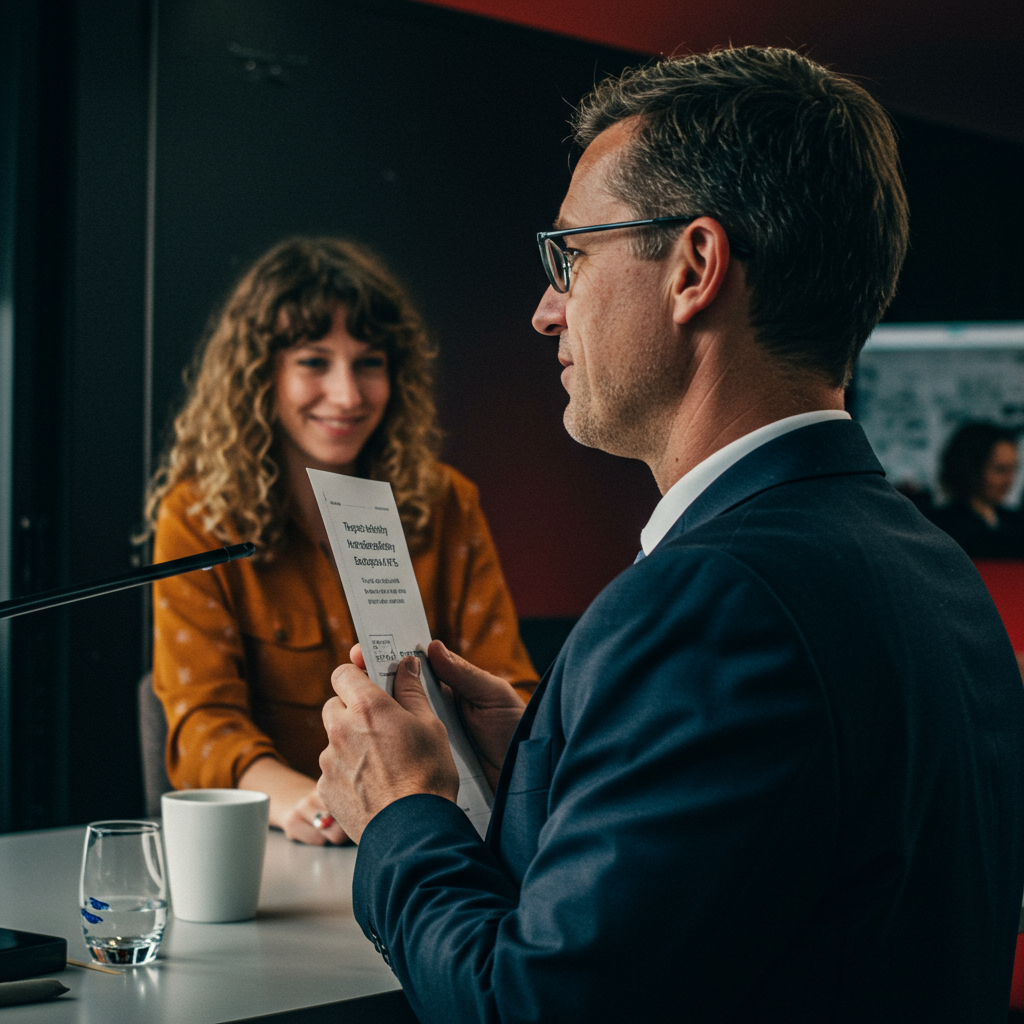
The human element is often the most critical component of the guest experience. Staff must be more than just servants; they are brand ambassadors. Training programs are essential to ensure a consistently high level of service. These programs go beyond basic service etiquette and are tailored to the unique environment of a corporate hospitality suite.
Module 1: Fundamentals of Luxury Service: Anticipatory service techniques, body language, verbal and nonverbal communication etiquette, and the art of being “discreetly present.”
Module 2: Brand and Sponsor Ambassador: Knowledge of the host’s and sponsors’ products/services, ability to answer basic questions, and representing brand values.
Module 3: VIP Management and Protocol: Handling high-profile guests, interacting with personal assistants, understanding cultural and corporate hierarchies, and absolute discretion.
Module 4: Problem Solving and Crisis Management: Scenario training for handling complaints, unexpected requests, medical emergencies, and violations of Security with calm and professionalism.
- Module 5: Technological Competence: Using event management applications for guest check-in, tracking preferences, and internal team communication.
Methodology
The training methodology combines online learning with hands-on workshops and simulations at the event venue. Assessment is conducted through a rubric system that evaluates performance in role-playing scenarios. Supervised practice during smaller events allows staff to gain experience before working on high-stakes events. The expected outcome is an elite team of staff who not only meet expectations but exceed them, directly contributing to Guest Satisfaction Scores (GSAT) and Net Promoter Score (NPS). This level of professionalism becomes a key differentiator of the hospitality program.
Operational Processes and Quality Standards
From Request to Execution
- Initial Diagnosis: Meeting with the client to complete a detailed event brief. Deliverable: Event scope document. Acceptance criterion: Client signature on the document.
- Proposal and Contract: Development of a customized proposal with service options, detailed budget, and KPIs. Deliverable: Formal proposal and contract. Acceptance criterion: Signed contract and initial deposit payment.
- Pre-production: Creation of the project plan, confirmation of suppliers, design of the guest flow, and development of the communication strategy. Deliverable: Event roadmap. Acceptance Criteria: Internal approval by the Head of Events.
- Execution: Implementation of the event plan on-site, management of staff and vendors, and supervision of the guest experience. Deliverable: Live event. Acceptance Criteria: Adherence to the schedule with a deviation of <10 minutes, real-time GSAT score >8.5.
- Closure and Analysis: Gathering feedback, analyzing KPIs, reconciling the budget, and delivering the final report. Deliverable: Post-event performance report. Acceptance Criteria: Report delivered within 7 business days and client approval.
Quality Control
Quality control is an ongoing process, not a one-time event.
It is based on a series of checkpoints and SLAs (Service Level Agreements) with all suppliers.
- Roles: The Account Manager is responsible for strategic quality, while the Event Coordinator is responsible for operational quality.
- Escalation: A clear escalation protocol defines who makes the decisions when problems arise, from the on-site host to the account manager.
- Acceptance Indicators: Each deliverable has clear and measurable acceptance criteria (see table below).
- Supplier SLAs: Contracts with suppliers include specific SLAs; for example, the caterer must have all food ready 15 minutes before the guests arrive, and the staffing ratio must be no more than 1 person for every 10 guests.
| Phase | Key Deliverables | Quality Control Indicators | Risks and Mitigation |
|---|---|---|---|
| Planning | Detailed Budget, Event Roadmap | Budget reviewed by finance, roadmap approved by client and operations. | Risk: Misalignment of expectations. Mitigation: Multiple rounds of review and formal signatures. |
| Pre-Event | Vendor confirmations, final guest list | All contracts signed, 100% of guest details (dietary requirements, etc.) confirmed 72 hours prior. | Risk: A vendor withdraws. Mitigation: Pre-approved backup vendor list. |
| Execution | Guest experience, adherence to schedule | Hourly quality checklists, on-site pulse surveys, social media monitoring. | Risk: Service issue (e.g., food delays). Mitigation: On-site management personnel with the authority to make immediate decisions. |
| Post-Event | Performance Report, ROI Analysis | Data Accuracy >99%, Report Delivered on Time. | Risk: Incomplete KPI Data. Mitigation: Data collection process integrated into each phase of the event. |
Application Cases and Scenarios
Case 1: B2B Product Launch at a Formula 1 Grand Prix
Client: A high-growth cybersecurity software company. Scope: Utilize a 50-person suite for 3 days at the Monaco Grand Prix to launch a new AI product. Objectives: Generate C-level leads from Fortune 500 companies, secure media coverage in key technology publications, and strengthen relationships with existing channel partners. Timeline: 6 months of planning. Execution: Managing the sports hospitality suite involved a “white-glove” approach. The guest list was meticulously curated, combining 20 high-value prospects, 15 strategic partners, and 5 influential technology journalists. The experience was highly personalized: each guest received a customized itinerary, private transfers were arranged, and one-on-one product demonstrations were scheduled in a private meeting room within the suite. A former F1 driver was invited for a Q&A session, linking the themes of precision and safety in racing to the new product. KPIs and Results:
- Lead Generation: 18 qualified C-level leads were generated (target: 15). The attributed sales pipeline value was $4.2 million over 6 months.
- Media Coverage: 4 articles were secured in top-tier technology publications (target: 3), with an estimated equivalent media value (EMV) of $150,000.
- Partner Satisfaction: The NPS of attending channel partners was +75.
- ROI: The total cost of the event was $250,000. The ROI of the event, based solely on the sales pipeline generated, was 16.8:1.Case 2: Client Retention Program for an Investment Bank at the Champions League Final
Client: A global investment bank. Scope: Hosting the 30 most valuable clients (in terms of assets under management) in a suite at the Champions League Final. Objectives: Strengthen client relationships to ensure retention, create an informal forum for senior bankers to interact with clients, and obtain referrals to new potential clients. Timeframe: 4 months of planning. Execution: The focus was on exclusivity and unprecedented access. The sports hospitality suite management team organized not just the suite experience, but a complete weekend program. This included accommodation in a 5-star hotel, a private dinner the night before with a football legend, and personalized team merchandise bearing the client’s name. Inside the suite, business was not explicitly discussed. Instead, the bank staff focused on building rapport. The hosts were trained to identify the clients’ needs and follow up after the event. KPIs and Results:
- Customer Retention: In the 12 months following the event, there was a 0% customer churn rate among attendees, compared to an annual churn rate of 2% for the same customer segment.
- NPS: The event’s NPS score was +82, a record for the bank.
- Referrals: 12 high-quality referrals were generated through conversations over the weekend, resulting in $75 million in new assets under management.
- Qualitative Feedback: Post-event surveys showed that 95% of guests felt “more valued” and “more connected” to the bank.
Case 3: Consumer Brand Activation at a Tournament Grand Slam tennis
Client: A premium beverage brand. Scope: Activate their tournament sponsorship using a 40-person suite for 5 days. Objectives: Increase social media engagement, provide a platform for lifestyle influencers to create content, and deliver a memorable experience for contest winners and key retail partners. Timeline: 3 months of planning. Execution: The suite was transformed into a “brand oasis.” The interior design reflected the brand’s aesthetic. A signature cocktail was created using the product, served by renowned mixologists. A highlight was a floral wall featuring a neon logo, designed to be the perfect Instagram backdrop. The guest list was a dynamic mix of 10 influencers, 10 contest winners, and 20 retail partners. The influencers were provided with a content kit and creative freedom. The sports hospitality suite management team ensured that every detail, from the glassware to the music playlist, was aligned with the brand. KPIs and Results:
- Social Media Engagement: Over 500 Instagram and TikTok posts were generated using the event hashtag #BrandOasis. The total estimated reach was 8 million users.
- Influencer-Generated Content: The 10 influencers produced a total of 75 pieces of content (posts, stories, reels), exceeding the contract requirement of 50.
- Retailer Relationships: Feedback from retail partners was overwhelmingly positive, with several committing to increase shelf space for the product in the following quarter.
- Attendance Rate: The attendance rate for the contest winners was 100%, indicating high perceived value.
Step-by-Step Guides and Templates
Guide 1: How to Build the Perfect Guest List for a Hospitality Suite
- Define the event objective: Is it to generate leads, retain customers, reward employees, or activate a sponsorship? The objective will dictate the composition of the guest list.
- Create guest profiles: Develop detailed profiles of the “ideal guest” for each objective (e.g., “C-level prospect in the tech industry with a budget >$1M”).
- Brainstorm names (Long List): Collaborate with the sales, marketing, and management teams to create a long list of potential guests who fit the profiles. Use the CRM as the primary source.
- Scoring and Prioritization System (Short List): Rate each person on the long list on a scale of 1 to 5 across various criteria.
- Strategic potential (e.g., account size, growth potential)
- Strength of existing relationship
- Probability of attendance
- Alignment with other guests (to facilitate networking)
- Segment the list: Divide the shortlist into “List A” (must-have guests) and “List B” (desirable guests). Send invitations to List A first.
- Assign an internal host: Assign a specific company host to each guest on List A. The host is responsible for the personal invitation and looking after the guest during the event.
- Manage invitations and RSVPs: Use event management software to send invitations and track responses. Establecer una fecha límite clara para los RSVPs.
- Planificar la lista de espera: A medida que se reciben los rechazos de la Lista A, empezar a invitar a personas de la Lista B, asegurándose de que la invitación siga pareciendo personal y no de “último minuto”.
- Checklist final: Antes de finalizar, revisar la lista para asegurar una buena mezcla de industrias, personalidades y antigüedad para fomentar un networking dinámico. Confirmar que se han recopilado todos los detalles necesarios (dietas, información de contacto de emergencia).
Guía 2: Medición del ROI del patrocinio dentro de la suite
- Establecer KPIs claros de patrocinio: Antes del evento, acordar con el patrocinador qué se medirá. Los KPIs comunes incluyen la generación de leads, el conocimiento de la marca y el compromiso en las redes sociales.
- Calcular la inversión total del patrocinador: Esto incluye no solo la tarifa de patrocinio, sino también los costos de activación (por ejemplo, branding, personal, regalos).
- Medir el conocimiento de la marca:
- Hacer un seguimiento de las menciones del hashtag de la marca/evento en las redes sociales.
- Utilizar herramientas de escucha social para analizar el sentimiento de la marca.
- Calcular el Valor Mediático Equivalente (EMV) de la cobertura de prensa y de influencers.
- Medir la generación de leads:
- Utilizar una aplicación de escaneo de credenciales o un simple formulario para registrar los leads generados por el personal del patrocinador en la suite.
- Asignar un valor monetario a cada lead basado en las tasas de conversión históricas.
- Medir el compromiso: Realizar encuestas a los invitados post-evento para medir el recuerdo y la percepción de la marca del patrocinador. Una pregunta podría ser: “En una escala de 1 a 10, ¿qué tan favorable es su opinión de la [Marca Patrocinadora] después de este evento?”
- Calcular el ROI: La fórmula es: ((Valor Financiero de los Resultados – Inversión Total) / Inversión Total) * 100. El “Valor Financiero de los Resultados” es la suma del valor del pipeline de leads, el EMV y cualquier otro resultado cuantificable.
Guía 3: Checklist de gestión de crisis en el sitio
- Emergencia Médica:
- Tener los números de contacto de los servicios de emergencia del lugar y del personal médico en un lugar visible.
- Tener al menos un miembro del personal formado en primeros auxilios básicos/RCP.
- Designar una ruta de evacuación clara para el personal de emergencia.
- Asegurar la privacidad del invitado afectado.
- Fallo Técnico (AV, electricidad):
- Tener el número de contacto del técnico de AV/instalaciones del lugar a mano.
- Tener un plan de respaldo (por ejemplo, un altavoz Bluetooth portátil para la música).
- Invitado Inesperado / No Autorizado:
- Tener una política clara (por ejemplo, “no se admiten invitados no registrados”).
- El personal de recepción debe manejar la situación con discreción, lejos de otros invitados.
- Tener al jefe de seguridad del lugar en espera si es necesario.
- Queja de un VIP:
- Escuchar activamente la queja. Empatizar y disculparse.
- No poner excusas. Tomar posesión del problema.
- Actuar inmediatamente para resolver el problema si es posible.
- Hacer un seguimiento con el invitado más tarde para asegurar su satisfacción. Escalar al Account Manager si es necesario.
Recursos internos y externos (sin enlaces)
Recursos internos
- Plantilla de presupuesto para eventos de hospitalidad
- Plantilla de libro de ruta del evento (Event Run Sheet)
- Checklist de selección y contratación de proveedores
- Guía de estilo de la marca para la señalización y los materiales del evento
- Plantilla de informe de rendimiento post-evento
- Base de datos de perfiles de invitados con preferencias y historial de asistencia
Recursos externos de referencia
- Normas de la Asociación Internacional de Gestores de Recintos (IAPM)
- Reglamento General de Protección de Datos (GDPR) para la gestión de datos de los invitados
- Directrices de Salud y Seguridad en el Trabajo (OSHA o equivalente local) para la seguridad de eventos
- Principios de Contabilidad de Patrocinios del Sponsorship Measurement Commission
- Mejores prácticas de la industria de Meetings, Incentives, Conferences, and Exhibitions (MICE)
Preguntas frecuentes
¿Cuál es el plazo ideal para planificar un evento en una suite de hospitalidad de alto nivel?
Para un evento de alto nivel, como una final de campeonato o un Gran Premio, el plazo de planificación ideal es de 6 a 9 meses. Esto permite tiempo suficiente para asegurar la mejor suite, negociar con los proveedores, desarrollar una estrategia de invitados reflexiva y planificar activaciones de patrocinio complejas. Para eventos de temporada regular, un plazo de 3 a 4 meses suele ser suficiente.
¿Cómo se justifica el alto costo de la hospitalidad deportiva ante la dirección?
La justificación se basa en tratar la hospitalidad como una inversión, no como un gasto. Se debe presentar un caso de negocio claro que vincule el evento a objetivos empresariales específicos y medibles (KPIs). Utilizando datos de eventos pasados, se puede proyectar un ROI potencial basado en la generación de leads, la retención de clientes o el valor mediático. El enfoque debe estar en los resultados empresariales, no en el costo de las entradas y el catering.
¿Cuál es la proporción ideal de personal anfitrión por invitado?
La proporción ideal varía según la importancia del evento y de los invitados. Una buena regla general para la hospitalidad de alto nivel es de 1 anfitrión de la empresa por cada 3-5 invitados clave (clientes o prospectos). Esto asegura que cada invitado reciba atención personal y que el anfitrión pueda facilitar conversaciones significativas. Para el personal de servicio (camareros, etc.), una proporción de 1 por cada 10-12 invitados es estándar para un servicio de alta calidad.
¿Cómo se manejan las restricciones dietéticas y las alergias de forma segura?
La gestión segura de las dietas es fundamental. El proceso de RSVP debe incluir un campo obligatorio para que los invitados indiquen cualquier restricción o alergia. Esta información debe ser compilada y comunicada al proveedor de catering por escrito al menos 72 horas antes del evento. En el día del evento, los platos deben estar claramente etiquetados, y el personal de servicio debe ser informado sobre los ingredientes. Para alergias graves, se deben preparar comidas separadas para evitar la contaminación cruzada.
¿Qué hace que una experiencia en una suite de hospitalidad sea verdaderamente memorable?
Más allá de la buena comida y la buena vista, la memorabilidad proviene de la personalización y de los momentos de sorpresa y deleite. Recordar el nombre de un invitado, su bebida preferida o hacer referencia a una conversación anterior marca una gran diferencia. Las sorpresas pueden ser un invitado especial inesperado, un regalo personalizado que refleje sus aficiones, o un acceso exclusivo detrás de las escenas. La gestión impecable y discreta de todos los detalles permite que los invitados se relajen y se sumerjan por completo en la experiencia.
Conclusión y llamada a la acción
En conclusión, el sports hospitality suite management efectivo es una disciplina estratégica que convierte un activo costoso en un motor de negocio de alto rendimiento. Al pasar de una planificación ad hoc a un enfoque basado en procesos, las empresas pueden maximizar el valor de su inversión. El éxito depende de una trifecta de excelencia: una curación de la lista de invitados basada en datos, una ejecución operativa impecable y una medición rigurosa de los KPIs que importan. Métricas como un NPS superior a +50, un ROI del evento superior a 5:1 y una tasa de conversión de leads del 20% no son aspiraciones, sino resultados alcanzables con una gestión profesional. Al implementar los marcos y las guías detalladas en este artículo, su organización puede elevar su programa de hospitalidad, creando experiencias inolvidables que forjan relaciones más fuertes y producen resultados empresariales medibles.
Glosario
- KPI (Key Performance Indicator)
- Un indicador clave de rendimiento; una métrica cuantificable utilizada para evaluar el éxito en el cumplimiento de los objetivos.
- NPS (Net Promoter Score)
- Una métrica de lealtad del cliente que se obtiene preguntando a los invitados la probabilidad de que recomienden la experiencia a un colega, en una escala de 0 a 10.
- ROI (Return on Investment)
- El retorno de la inversión; una medida de la rentabilidad de una inversión, calculada como el beneficio neto del evento dividido por su costo.
- EMV (Equivalent Media Value)
- El valor mediático equivalente; una métrica utilizada para cuantificar el valor de la exposición en los medios obtenida a través de las relaciones públicas y las menciones en redes sociales, en comparación con el costo de la publicidad pagada equivalente.
- CRM (Customer Relationship Management)
- Un sistema de gestión de relaciones con los clientes; un software utilizado para gestionar todas las interacciones de una empresa con los clientes actuales y potenciales.
- GSAT (Guest Satisfaction Score)
- Una puntuación de satisfacción del invitado, normalmente obtenida a través de encuestas post-evento, que mide la satisfacción general con la experiencia.
Internal links
- Click here👉 https://us.esinev.education/diplomas/
- Click here👉 https://us.esinev.education/masters/
External links
- Princeton University: https://www.princeton.edu
- Massachusetts Institute of Technology (MIT): https://www.mit.edu
- Harvard University: https://www.harvard.edu
- Stanford University: https://www.stanford.edu
- University of Pennsylvania: https://www.upenn.edu