
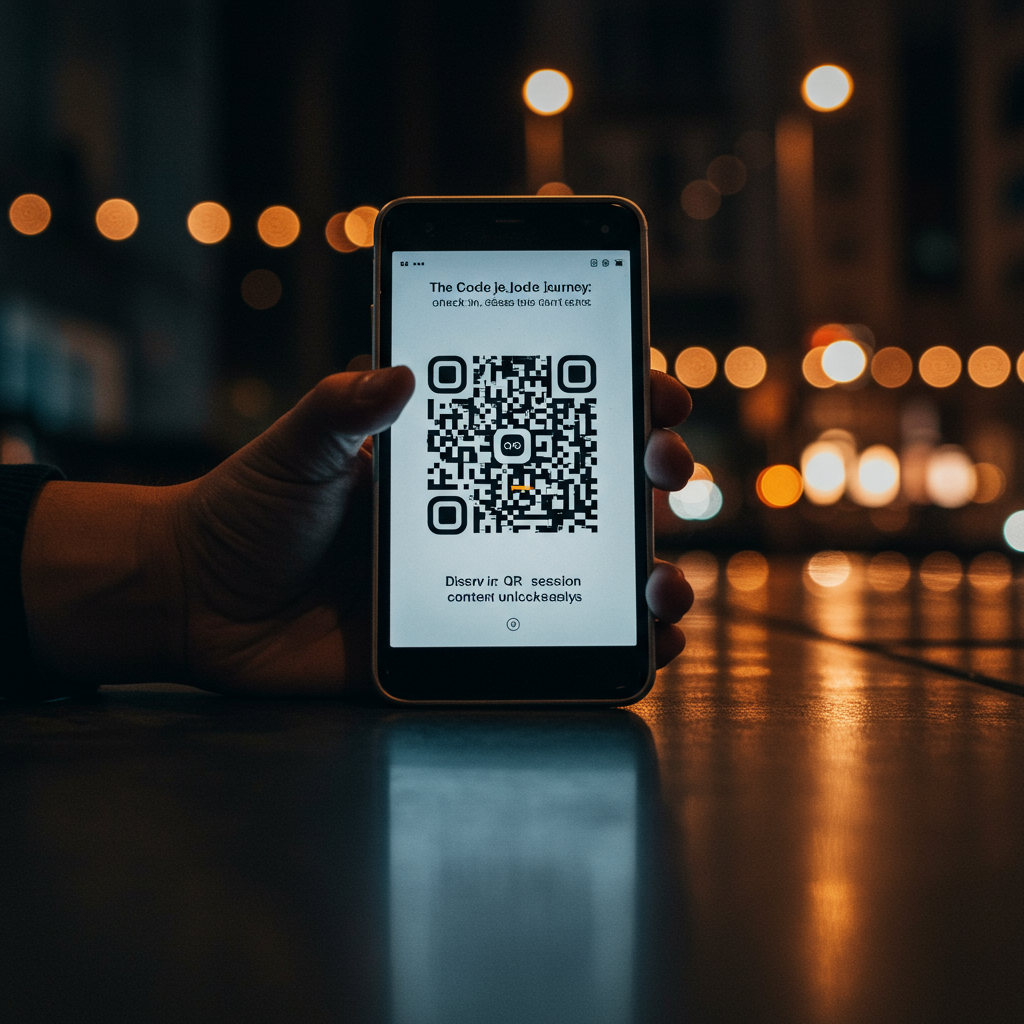
This article provides a comprehensive exploration of the QR code journey, a strategic framework for leveraging this technology beyond simple links. We delve into three core pillars: efficient event check-ins, data-rich session scans, and engaging content unlocks. The focus is on a practical, data-driven approach for marketers, event organizers, and business strategists to transform physical touchpoints into measurable digital interactions. We will cover key performance indicators (KPIs) such as scan rate, conversion rate, reduction in operational costs, and increase in customer engagement. By understanding the full spectrum of QR code uses, businesses can bridge the gap between their offline presence and online ecosystems, capturing valuable first-party data and delivering a seamless user experience. This guide offers actionable processes, real-world case studies, and step-by-step guides to implement and optimize high-performing QR code campaigns.
Introduction
Once a niche technology seen on posters and product packaging, the humble QR code has undergone a remarkable renaissance. Accelerated by the global shift towards touchless interactions, the versatility of QR code uses has expanded dramatically, cementing their role as an essential tool for bridging the physical and digital worlds. This article charts the complete QR code journey, moving beyond a simple link to a website and exploring its strategic application in streamlining processes like event check-ins, gathering data through session scans, and delivering value by unlocking exclusive content. This journey represents a powerful mechanism for businesses to enhance user experiences, capture actionable data, and measure the effectiveness of offline marketing efforts in a way that was previously difficult, if not impossible.
Our methodology focuses on a repeatable and measurable framework. We will dissect each stage of the QR code journey, providing clear processes, checklists, and real-world examples. Success will be measured through a variety of Key Performance Indicators (KPIs), including but not limited to: check-in time reduction (measured in seconds per person), session engagement rate (percentage of attendees scanning), scan-to-conversion rate (e.g., app downloads or form submissions), and ultimately, the return on investment (ROI) of each campaign. By understanding these metrics, organizations can optimize their strategies, ensuring that every scan delivers tangible business value.
Vision, values and proposal
Focus on results and measurement
Our vision is to elevate QR codes from a simple utility to a strategic asset integrated within an organization’s core marketing and operational functions. We operate on the Pareto principle (the 80/20 rule), focusing on the 20% of QR code applications that generate 80% of the impact—such as lead generation, payment processing, and personalized content delivery. Our approach is grounded in technical excellence, adhering to standards like ISO/IEC 18004 for code generation and W3C guidelines for mobile-optimized web experiences. We believe that a successful QR code implementation is not just about the code itself, but the entire user journey it initiates, from the physical context of the scan to the final digital conversion.
- Reduced friction: We aim to create the most seamless path possible from physical intent to digital action, eliminating unnecessary steps for the user.
- First-Party Data Capture: Each scan is an opportunity to build a direct relationship with the user, ethically collecting data that informs future marketing and product decisions.
- Improved user experience: We prioritize creating valuable, context-aware digital experiences that reward the user for their interaction.
- Measuring the offline world: Our core value proposition is making offline channels (print, packaging, physical locations) as measurable as any digital channel, providing clear ROI data.
- Decision matrix: We use a decision matrix for new projects, prioritizing initiatives based on potential impact, implementation complexity, and alignment with client KPIs.
Services, profiles and performance
Portfolio and professional profiles
We offer an end-to-end suite of services designed to maximize the strategic value of QR codes. Our multidisciplinary team, comprising Digital Strategists, UX/UI Designers, Data Analysts, and Integration Specialists, collaborates to deliver robust solutions. Our services are not just about generating codes; they are about building the entire ecosystem around them.
- Campaign strategy and consulting: Analyzing business goals to determine the most effective QR code uses, from marketing to logistics. KPI: Development of a strategic plan with a projected ROI of over 150%.
- Dynamic QR code management: Implementing and managing dynamic codes that allow for destination URL changes, A/B testing, and advanced analytics without reprinting physical materials. KPI: 99.9% platform uptime.
- Destination experience development: Designing and building mobile-first landing pages, web apps, and AR experiences that are optimized for speed and conversion. KPI: Landing page bounce rate below 40%.
- System integration: Connecting QR code scan data with existing CRM, marketing automation, and analytics platforms (e.g., Salesforce, HubSpot, Google Analytics). KPI: Data sync latency of less than 5 minutes.
- Event solutions: Providing comprehensive systems for QR-based check-in, session tracking, lead capture, and attendee networking. KPI: Reduction of event check-in queues by at least 50%.
Tables and examples
Place a QR code on product packaging and purchase receipts with the CTA “Scan to get 10% off your first in-app purchase.”15% increase in monthly downloads; 20% lower cost per installation than paid ads.Improve the restaurant experience.Order time; Net Promoter Score (NPS).Replace physical menus with QR codes on the table that link to an interactive digital menu with ordering and payment options.Reduce average order taking time by 3 minutes. 10-point increase in NPS.
| Objective | Indicators | Actions | Expected result |
|---|---|---|---|
| Increase mobile app downloads | Facilities attributed to the QR; Cost per installation | ||
| Generate leads at a trade show | Qualified leads captured; Lead-to-opportunity conversion rate | Equip attendees with QR code badges (vCards) and exhibitors with a scanning app to capture contacts. | Captured 300% more leads compared to manual methods; Reduction of data entry errors to less than 1%. |
Representation, campaigns and/or production
Professional development and management
Executing a successful large-scale QR code campaign requires meticulous logistical planning and production management, far beyond just generating a digital image. Deploying on thousands of product packages or across a multi-city event, our process ensures flawless execution. This includes coordinating with print vendors to ensure codes meet strict quality specifications (size, quiet zone, material finish), managing distribution logistics to ensure materials arrive on time, and training on-site staff to assist users and troubleshoot common issues. We develop comprehensive production timelines with built-in contingencies to account for potential delays in printing or shipping.
Printing Quality Control Checklist: Verification of minimum size (2×2 cm for short distances), color contrast (minimum 40:1), validation of the safety zone (minimum 4 times the size of a module), and scanning tests on the first print run.
Placement Planning: Analysis of the physical environment to determine the optimal QR code placement, considering lighting, viewing height, and user dwell time.
Contingency Plans: Preparation for scenarios of low internet connectivity on-site (e.g., the landing page has a lightweight or cacheable version), damaged codes (have replacements on hand), or scanning system failures (manual registration procedures).
- Documentation and Training: Creation of simple guides for staff on how the campaign works, how to help customers, and who to contact in case of technical problems.
Content and/or Media that Convert
Messages, Formats, and Conversions
The QR code is merely the gateway; the content it unlocks is what determines the success of the interaction.
A compelling hook and a clear Call-to-Action (CTA) are critical. The text surrounding the code, such as “Scan to unlock the secret menu” or “Scan for a chance to win,” is as important as the code itself. Once scanned, the user must land on a mobile-first experience that is fast, intuitive, and delivers on the promise. We employ A/B testing extensively to optimize every element of the funnel, from the QR code’s design (e.g., adding a logo or changing colors) to the headline, copy, and button placement on the landing page. Key metrics we track here include the click-through rate from the landing page, form submission rates, and time spent with the content. Understanding these diverse QR code uses for content delivery is key to maximizing engagement.
Phase 1: Defining the Content Strategy: The strategy team (Leader: Digital Strategist) defines the content objective (e.g., lead generation, education, entertainment) and the target audience.
Phase 2: Ideation and Creation: The writers and designers (Leader: Creative Director) develop the content, whether it’s a video, a PDF guide, an AR experience, or an interactive webpage.
Phase 3: Designing the Mobile User Experience: The UX/UI designers (Leader: Lead UX Designer) create the landing page flow, ensuring it loads in under 2 seconds on a 4G connection.
Phase 4: Technical Development and Integration: The developers (Leader: Engineer) The core software team builds the landing page and ensures that the tracking parameters (UTM) are captured correctly.
Phase 5: Quality Assurance Testing: The QA team (Lead: QA Analyst) tests the entire flow across multiple devices (iOS, Android) and browsers to ensure a seamless experience.
Phase 6: Launch and Monitoring: The project manager (Lead: Project Manager) oversees the launch, and the analytics team begins tracking performance in real time.
Figure
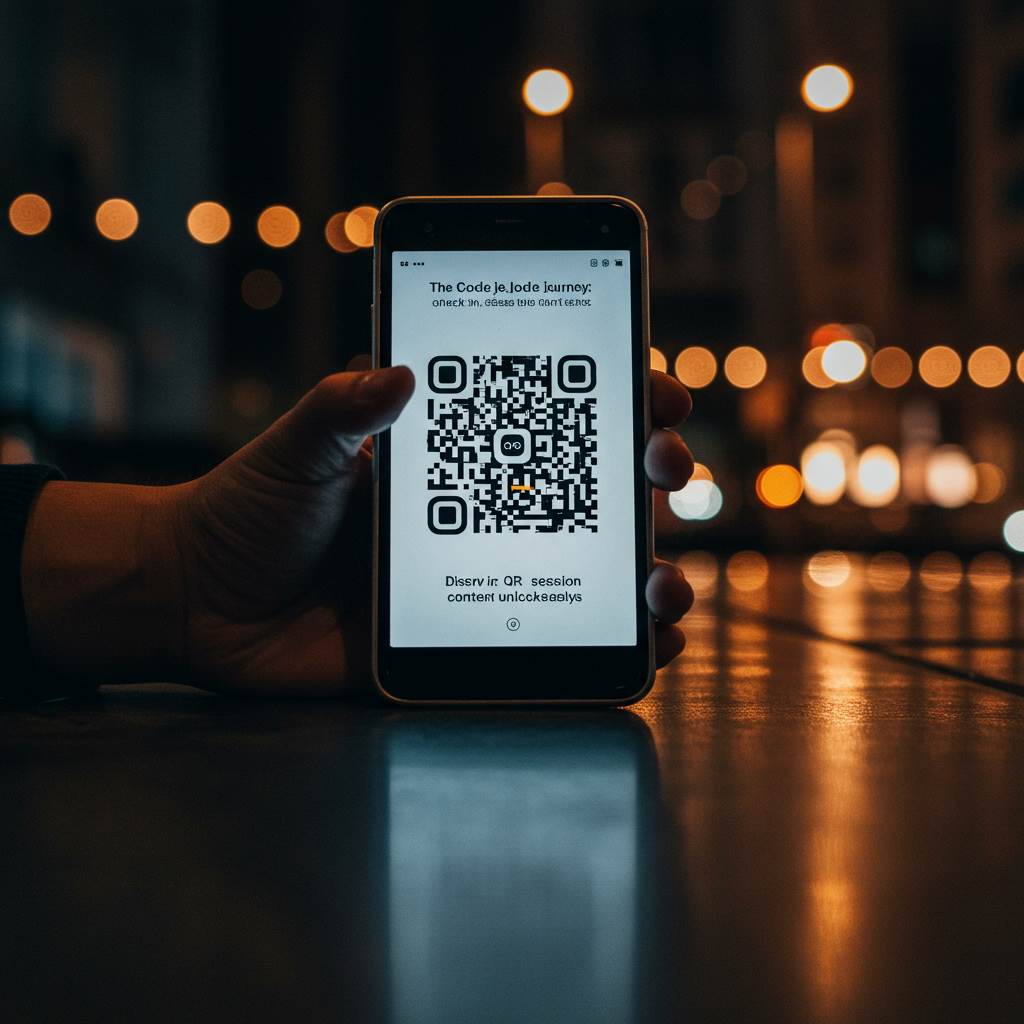
Engaging and relevant content, delivered through a seamless mobile experience, is fundamental to turning a scan into a business objective.
Training and employability
Demand-driven catalog
To empower our clients and the broader community, we offer a range of training modules focused on the practical application of QR code technology.
These courses are designed to upskill marketing, events, and operations teams, enabling them to run their own successful campaigns.
Module 1: QR Code Fundamentals (Beginner Level): Differences between static and dynamic codes, best design practices, and common use cases.
Module 2: Strategic Campaign Planning (Intermediate Level): How to align QR codes with business objectives, select the right KPIs, and design the customer journey.
Module 3: QR Code Analytics and ROI Measurement (Advanced Level): Using UTM parameters, integrating with Google Analytics, and calculating the return on investment for offline campaigns.
Module 4: Technical Implementation and Troubleshooting (Technical Level): Best practices for printing and managing dynamic QR platforms. and solving common scanability problems.
- Module 5: Advanced Uses of QR Codes (Expert Level): Exploring integrations with Augmented Reality (AR), payment systems, Wi-Fi networks, and digital contactless cards (vCards).
Methodology
Our training methodology is hands-on and results-oriented. Participants work on real-world case studies and develop a pilot campaign for their own organization as part of the course. Performance is evaluated using a detailed rubric that assesses strategic thinking, technical execution, and analytical capabilities. Successful graduates receive certification and access to our professional network, enhancing their employability in digital marketing and event technology roles.
Operational Processes and Quality Standards
From Request to Execution
- Diagnosis and Scope (1 week): Initial meeting to understand the client’s needs. The deliverable is a Requirements Analysis Document. Acceptance criterion: Written approval from the client regarding the defined scope.
- Strategic Proposal (1-2 weeks): Development of a detailed proposal that includes objectives, KPIs, campaign strategy, timeline, and budget. The deliverable is the Statement of Work (SOW). Acceptance Criteria: Signed SOW.
- Pre-production and Design (2-3 weeks): Creation of all assets: generation of dynamic QR codes, landing page design, copywriting. The deliverable is a Campaign Asset Package for your review. Acceptance Criteria: Final approval of all designs and copy.
- Implementation and Testing (1 week): Technical development of the landing page, integration with analytics, and comprehensive testing on multiple devices. The deliverable is a functional test link. Acceptance Criteria: 100% success rate in the QA test script.
- Launch and Execution (Ongoing): Deployment of QR codes on physical materials and campaign launch. The deliverable is the live campaign. Acceptance Criteria: Verification that the real-world code links correctly.
- Monitoring and Optimization (Continuous): Real-time tracking of campaign performance and adjustments based on data. The deliverable is Weekly Performance Reports. Acceptance Criteria: Timely delivery of reports.
- Final Analysis and Closure (1 week): At the end of the campaign, a comprehensive report is prepared detailing the results, ROI, and lessons learned. The deliverable is the Final Campaign Report. Acceptance Criteria: Presentation of the report to the client.
Quality Assurance
- Defined Roles: A QA Analyst is responsible for testing each campaign before launch. The Project Manager is the escalation point.Test Protocols: A checklist of more than 50 items is used for each campaign, covering scannability, page speed, functionality across different devices, and data accuracy.
Acceptance Indicators: Scannability rate > 99%, landing page load time < 2.5 seconds, tracking data deviation < 2%.
Service Level Agreements (SLAs): 99.9% uptime guarantee for all hosted landing pages. Response time to critical issues: 1 hour.
| Phase | Deliverables | Control Indicators | Risks and Mitigation |
|---|---|---|---|
| Pre-production | QR designs, landing page mockups | Scannability rate in testing > 99%; Google PageSpeed score > 90 | Risk: The QR design is not scannable. Mitigation: Rigorous testing with multiple scanning apps before final approval. |
| Implementation | Live test URL, analytics dashboard | 100% accurate data tracking; no 404 errors | Risk: Analytics tracking not working. Mitigation: Manual verification of the UTM data flow to the analytics platform. |
| Launch | Live campaign | Real-time monitoring of the first scans | Risk: Low initial scan rate. Mitigation: Have a backup communication plan to promote the campaign; A/B testing of the physical location. |
Application Cases and Scenarios
Case 1: International Music Festival – Optimizing Access and Interaction
A festival with over 50,000 attendees per day faced massive bottlenecks at the entry points and lacked a way to measure the popularity of performances on smaller stages. The solution involved issuing digital tickets, each with a unique QR code. Fifty scanning stations were installed at the entrance, operated by staff with industrial-grade handheld scanners. This reduced the average entry time per person from 45 seconds to just 12 seconds, a 73% decrease. In addition, QR codes were placed at the entrances to all eight stages. Attendees who scanned these codes were entered into a daily prize draw to win VIP upgrades. This provided the festival with invaluable data on audience flow and session attendance, revealing that two smaller stages had 30% higher attendance than estimated. ROI was achieved through reduced staffing costs at the entrance (saving €30,000) and increased sponsorship sales for the following year, thanks to the detailed audience data.
Case 2: Global Consumer Goods Brand – Connecting Product with Digital Experience
A major food brand wanted to create a stronger bond with its consumers after purchase. They implemented dynamic QR codes on more than 20 million packages of their best-selling products. Each code led to a mobile-optimized micro-website that offered contextual content, such as seasonal recipes, how-to videos, and a discount coupon for the next purchase. The dynamic nature of the code allowed the brand to update the content quarterly without needing to change the packaging design. In the first six months, the campaign generated 2.1 million unique scans. The redemption rate for the digital coupon was 18%, significantly higher than the 1-2% average for printed coupons. The average time spent on the site was 2 minutes and 45 seconds, indicating a high level of engagement. The campaign provided the brand with a wealth of source data on which products were being consumed, where, and when, allowing them to refine their customer profiles.
Case 3: Luxury Real Estate Agency – Interactive Virtual Tours and Lead Generation
To differentiate itself in a competitive market, a real estate agency replaced its static “For Sale” signs with interactive ones. Each sign featured a prominent QR code. Upon scanning it, potential buyers were directed to a landing page offering a 360-degree virtual tour of the property, a high-resolution photo gallery, detailed specifications, and a form to schedule an in-person visit. This approach pre-qualified leads, as only those genuinely interested after the virtual tour requested an appointment. The agency experienced a 45% increase in qualified leads from its signs. The time agents spent answering basic questions on the phone was reduced by 25%, allowing them to focus on closing deals. The lead-to-scheduled visit conversion rate via the QR code was 12%, double that of leads from online portals.
Case 4: Natural History Museum – Enhancing the Visitor Experience
A museum sought to modernize its exhibits and offer a richer experience without the cost of installing digital displays everywhere. They placed small, discreet QR codes next to key exhibits. By scanning them, visitors unlocked exclusive content on their own phones: an audio guide narrated by the curator, 3D animations of what a dinosaur skeleton would look like with skin, or archival videos of expeditions. The museum measured a 55% adoption rate among visitors with smartphones. Exit survey data showed that the “visit satisfaction” score was 20 points higher among those who used the QR codes compared to those who did not. The average time spent in exhibits with QR codes increased by 70%, from 90 seconds to 153 seconds.
Case 5: Fast Food Restaurant Chain – Loyalty Program and Feedback Collection
A restaurant chain wanted to digitize its “buy 9, get 1 free” loyalty program and facilitate feedback collection. They printed a unique QR code on each receipt. By scanning it, the customer could register their purchase for the digital loyalty program and, optionally, complete a quick two-question survey about their experience. In exchange for the survey, they received a coupon for a free item on their next visit. This system increased participation in the loyalty program by 200% in three months. The chain received over 100,000 survey responses in the first quarter, providing store-level data on service and food quality, which allowed them to address operational issues with unprecedented speed. The redemption rate for the thank-you coupon was 35%, driving repeat visits.
Step-by-step guides and templates
Guide 1: Creating a High-Performing QR Campaign
- Define a Single, Measurable Goal: What action do you want the user to take? (e.g., Download an app, fill out a form, watch a video).
- Choose the Right Code Type: Always use dynamic QR codes for marketing campaigns. This allows you to change the destination link and track scans. Static codes should only be used for information that will never change (e.g., a link to a Wi-Fi network).
- Design for Scannability: Make sure the code has high contrast (dark on light is best). Keep it to a minimum size of 2×2 cm. Always leave a “safety zone” or white margin around the code.
- Create a Mobile-First Destination Experience: The page the code links to should load quickly (<3 seconds) and be easy to navigate on a phone.
- Include a Clear Call to Action (CTA): Don’t just add the code. Add text next to it that tells the user what they will get. (e.g., “Scan to see our menu”).
- Implement UTM Tracking: Add UTM parameters to your destination URL so you can see your QR code’s performance in Google Analytics (e.g., `utm_source=poster_tienda&utm_medium=qr`).
- Test, Test, Test: Before printing thousands of copies, print a test copy and scan it with multiple phones (iPhone, Android) and apps to ensure it works perfectly.
- Consider the Scanning Context: Where will the user be when they scan? A code on a highway billboard is useless. A code on a restaurant table, where the user has time, is ideal.
- Analyze the Data: Regularly review your dynamic QR analytics dashboard. What time of day are scans highest? From which geographic locations?
- Optimize and Iterate: Use the data to improve. If the scan rate is low, try a different CTA or a different location. If the bounce rate on the landing page is high, improve the content or the loading speed.
Guide 2: Checklist for Check-in at Events with QR Codes
- Pre-event: Send digital tickets with unique and readable QR codes to all registered attendees at least one week in advance.
- Pre-event: Prepare a printed attendee list as a backup in case of total technical failure.
- Setup: Test the venue’s internet connection. If it’s unstable, make sure the scanning app has an offline mode that syncs the data later.Settings: Set up multiple scanning stations to avoid congestion. The general rule is one station for every 150 attendees per hour.
- Setup: Ensure all scanning devices (phones or dedicated scanners) are fully charged and have backup chargers available.
- Staff: Train staff on how to use the scanning app, including how to handle common errors (e.g., code already scanned, code not found).
- Staff: Designate one person as a “troubleshooter” for complex cases.
- During the event: Monitor queue speed in real time and reassign staff if bottlenecks form.
- During the event: Have a clear procedure for attendees who have forgotten or cannot find their ticket with the QR code (e.g., search by name on the backup list).
- Post-evento: Exportar los datos de check-in inmediatamente después de cerrar las puertas para tener un recuento final de asistentes preciso.
Guía 3: Desbloqueo de Contenido Exclusivo para Marketing
- Identificar el Valor “Cerrado”: Determina qué contenido es lo suficientemente valioso como para que un cliente haga el esfuerzo de escanear. Buenos ejemplos: plantillas, guías detalladas, descuentos exclusivos, acceso anticipado a un producto.
- Crear el “Gancho”: El texto y el diseño alrededor del QR deben generar intriga. Usa verbos de acción y destaca el beneficio. “Escanea para desbloquear 3 recetas secretas del chef” es mejor que “Escanea para más información”.
- Diseñar un Flujo de Desbloqueo sin Fricción: El camino debe ser: Escanear -> Página de destino -> Acceso inmediato al contenido. Evita múltiples clics o formularios largos.
- Considerar una “Puerta Suave”: Si el objetivo es la generación de leads, pide un correo electrónico a cambio del contenido. Sé transparente al respecto. “Introduce tu correo para recibir la guía en PDF en tu bandeja de entrada”.
- Entregar Valor Instantáneamente: Una vez que el usuario proporciona su información (si se solicita), debe tener acceso al contenido de inmediato en la misma ventana o a través de un correo electrónico que se envía al instante.
- Medir la Tasa de Conversión: El KPI clave aquí es el porcentaje de personas que escanearon y que finalmente accedieron o descargaron el contenido. Una tasa superior al 50% es un buen objetivo.
- Fomentar el Uso Compartido: Incluye botones para compartir en redes sociales en la página de contenido para que los usuarios que lo han desbloqueado puedan compartirlo con otros.
Recursos internos y externos (sin enlaces)
Recursos internos
- Plantilla de Propuesta de Campaña de QR Code
- Checklist de Garantía de Calidad de QR Code (más de 50 puntos)
- Guía de Mejores Prácticas de Diseño de QR Code
- Calculadora de ROI para Campañas de Marketing Offline
- Procedimiento Operativo Estándar para la Gestión de Eventos con QR
Recursos externos de referencia
- Especificación Técnica ISO/IEC 18004:2015 para Códigos QR
- Directrices de Accesibilidad al Contenido Web (WCAG) del W3C para páginas de destino
- Reglamento General de Protección de Datos (RGPD) para la captura de datos de usuario
- Guías de Google sobre Principios de Diseño de Sitios Móviles
- Buenas prácticas de la Mobile Marketing Association (MMA)
Preguntas frecuentes
¿Cuál es la diferencia entre un código QR estático y uno dinámico?
Un código QR estático codifica la información de destino directamente en el patrón del código. Una vez creado, no se puede cambiar. Un código QR dinámico codifica una URL corta que redirige al destino final. Esto permite cambiar el destino final en cualquier momento sin tener que volver a imprimir el código. Los códigos dinámicos también permiten un seguimiento y análisis detallado de los escaneos.
¿Pueden caducar los códigos QR?
Los códigos QR estáticos no caducan nunca; funcionarán mientras el enlace al que apuntan esté activo. Los códigos QR dinámicos, al depender de un servicio de redirección, pueden “caducar” si la suscripción al servicio que los gestiona finaliza. Sin embargo, esto también permite desactivarlos intencionadamente.
¿Cuál es el tamaño mínimo recomendado para imprimir un código QR?
El tamaño depende de la distancia de escaneo. Como regla general, para una lectura cómoda a corta distancia (como en una tarjeta de visita o un folleto), el tamaño mínimo debería ser de 2 cm x 2 cm. Para distancias mayores, como un cartel, el tamaño debe aumentar proporcionalmente (aproximadamente una décima parte de la distancia de escaneo).
¿Cómo puedo medir el éxito de mi campaña de códigos QR?
La mejor manera es usar códigos QR dinámicos, que suelen venir con un panel de análisis que muestra el número de escaneos, la ubicación, la hora y el tipo de dispositivo. Además, siempre debes usar parámetros UTM en tus URLs de destino para poder rastrear el comportamiento del usuario después del escaneo en herramientas como Google Analytics.
¿Son seguros los códigos QR?
El código QR en sí mismo es seguro; es solo un medio para almacenar datos. Sin embargo, pueden ser utilizados con fines maliciosos en ataques de “Quishing” (QR Phishing), donde un código malicioso dirige a los usuarios a un sitio web falso para robar sus credenciales. Por ello, los usuarios solo deben escanear códigos QR de fuentes fiables y verificar la URL que aparece antes de abrirla.
Conclusión y llamada a la acción
El viaje del código QR, desde el check-in eficiente y los escaneos de sesión ricos en datos hasta el desbloqueo de contenido valioso, demuestra su evolución de una simple conveniencia a una herramienta estratégica indispensable. Hemos visto cómo una implementación bien planificada puede reducir drásticamente los costos operativos, aumentar el compromiso del cliente en más de un 50%, y proporcionar datos del mundo físico con la precisión del marketing digital. El éxito no reside en el código en sí, sino en la estrategia, el contenido y la experiencia del usuario que lo rodean. Al dominar los diversos usos de los códigos QR, las empresas pueden cerrar eficazmente la brecha entre sus operaciones físicas y su ecosistema digital.
El momento de actuar es ahora. Comienza por identificar un único punto de contacto con el cliente en tu negocio que carezca de medición o presente fricción, ya sea un menú impreso, un paquete de producto o el proceso de registro en un seminario web. Inicia un proyecto piloto para implementar una solución de código QR simple pero medible. Define un KPI claro, ya sea el tiempo ahorrado, los leads generados o la tasa de descarga de contenido. Este primer paso te proporcionará los datos y la experiencia necesarios para escalar y transformar tus operaciones. No dejes que tus puntos de contacto físicos sigan siendo un punto ciego en tus datos; conéctalos, mídelos y mejóralos.
Glosario
- Código QR (Quick Response)
- Un tipo de código de barras matricial bidimensional que puede ser leído por un smartphone o dispositivo similar, usado para almacenar URLs u otra información.
- Código QR Dinámico
- Un código QR que apunta a una URL intermedia que puede ser redirigida, permitiendo cambiar el destino final del código y recopilar datos de escaneo detallados.
- Código QR Estático
- Un código QR donde la información de destino está codificada directamente en el patrón y no puede ser modificada después de su creación.
- Zona de Silencio (Quiet Zone)
- El margen en blanco que debe rodear un código QR para que los escáneres puedan leerlo correctamente.
- Parámetros UTM
- Etiquetas cortas de texto añadidas al final de una URL para rastrear el rendimiento de las campañas y el contenido en herramientas de análisis como Google Analytics.
- Quishing
- Una forma de ataque de phishing que utiliza un código QR malicioso para dirigir a las víctimas a un sitio web fraudulento con el fin de robar su información personal.
Internal links
- Click here👉 https://us.esinev.education/diplomas/
- Click here👉 https://us.esinev.education/masters/
External links
- Princeton University: https://www.princeton.edu
- Massachusetts Institute of Technology (MIT): https://www.mit.edu
- Harvard University: https://www.harvard.edu
- Stanford University: https://www.stanford.edu
- University of Pennsylvania: https://www.upenn.edu