
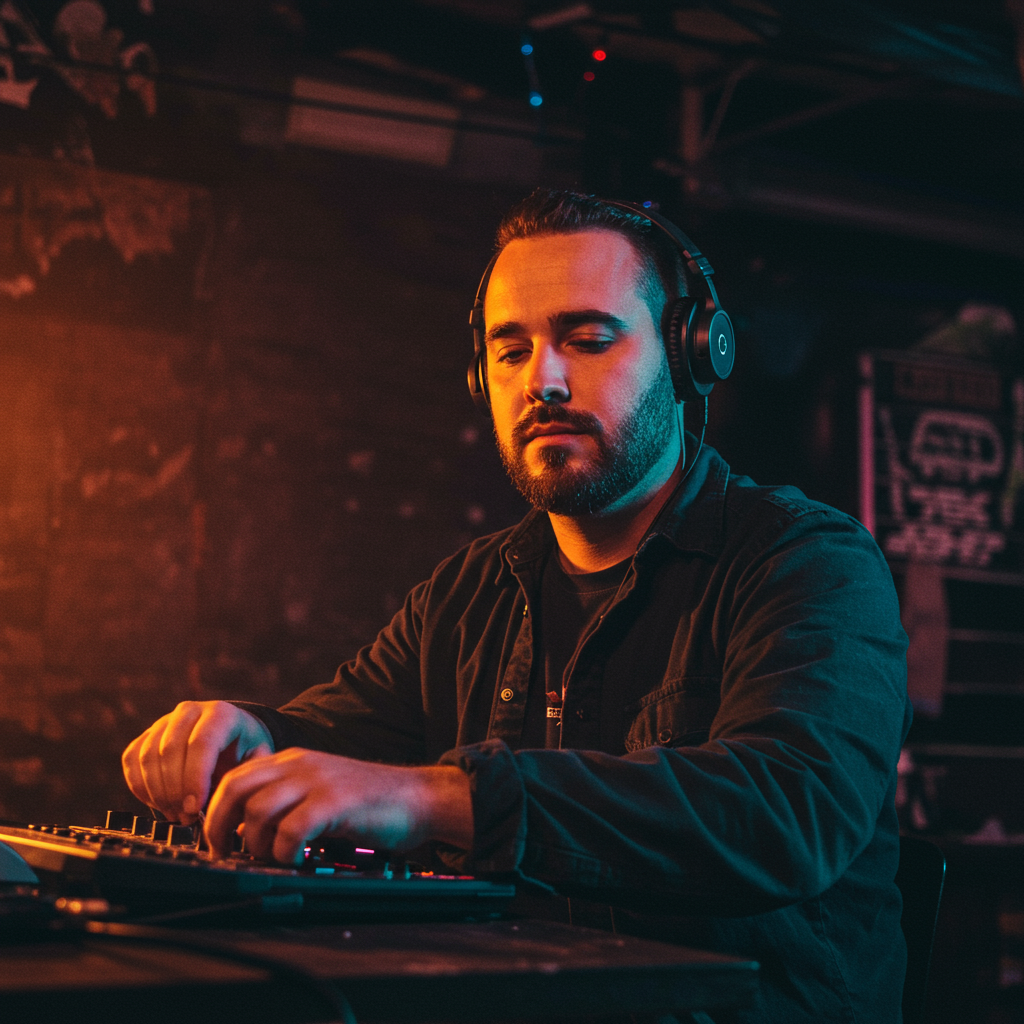
austin.
As the “Live Music Capital of the World,” Austin thrives on a constant stream of performances. However, this vibrant ecosystem depends on a complex legal framework that ensures creators are compensated for their work. This guide provides a definitive roadmap for venue owners, event organizers, and musicians on the specifics of Austin music licensing for live sets. We will break down the roles of Performance Rights Organizations (PROs) like ASCAP, BMI, SESAC, and GMR, clarify venue obligations versus artist responsibilities, and outline the steps to secure the necessary licenses. The objective is to empower stakeholders with the knowledge to operate legally and ethically, targeting KPIs such as 100% compliance, a 95% reduction in infringement risk, and a 20% improvement in the efficiency of booking and event planning processes. This resource is essential for anyone contributing to or profiting from Austin’s unparalleled live music scene.
Introduction
Austin, Texas, has built its global reputation on the foundation of live music. From iconic venues on Sixth Street to intimate coffee shop stages on South Congress, the city’s cultural and economic lifeblood is its sound. However, behind every guitar riff and vocal melody lies a critical legal obligation: music licensing. Navigating the world of austin music licensing live sets can be a daunting task for venue owners, festival organizers, and even the musicians themselves. The failure to comply with U.S. Copyright Law is not a minor oversight; it can lead to severe financial penalties that threaten the existence of the very stages that make Austin unique. This guide is designed to demystify the process, providing a clear, actionable framework for ensuring every live performance is not only memorable but also fully legal.
Our methodology is simple: we will dissect the roles of the key players, primarily the Performance Rights Organizations (PROs), and outline the specific responsibilities of the parties involved in a live music event. We will focus on practical applications, moving beyond legal jargon to offer step-by-step instructions, checklists, and real-world scenarios. Success will be measured through tangible key performance indicators (KPIs): achieving a 100% compliance rate for all musical performances, reducing the risk of statutory damages (which can reach $150,000 per song) by mitigating infringement, and streamlining venue operations to reduce the administrative time spent on licensing by an estimated 20%. By the end of this guide, you will have the confidence and tools to manage music licensing effectively, protecting your business and supporting the creative community.
Vision, values and proposal
Focus on results and measurement
Our mission is to foster a legally sound and creatively thriving live music ecosystem in Austin by demystifying the complexities of public performance licensing. We operate on the core values of transparency, education, and unwavering support for both the creators (songwriters and publishers) and the presenters (venues and promoters). Adhering to the Pareto principle, we focus 80% of our efforts on the critical 20% of licensing issues that cause the most confusion and legal exposure: understanding and securing the correct blanket licenses from the major PROs. Our approach is grounded in the standards set by the U.S. Copyright Act, ensuring all guidance is accurate, reliable, and designed to protect all parties. We believe that a well-informed community is a compliant one, where artists are free to create and venues are free to operate without fear of legal reprisal.
- Value 1: Risk Mitigation. Our primary value is protecting venues from potentially business-ending lawsuits by ensuring full compliance with copyright law. This translates to avoiding statutory damages ranging from $750 to $150,000 per unlicensed song performed.
- Value 2: Support for Creators. We champion the principle that songwriters must be compensated for the use of their work. Proper licensing ensures a steady flow of royalties, which is fundamental to a sustainable music industry.
- Value 3: Operational Clarity. We provide clear, unambiguous processes that remove guesswork. This allows venue managers to focus on their core business—providing great experiences—rather than untangling complex legal obligations.
- Decision Matrix: When evaluating a licensing strategy, we prioritize comprehensive coverage over minimal cost. It is always more cost-effective to pay for licenses from all four major PROs than to risk a single infringement claim from an uncovered song.
Services, profiles and performance
Portfolio and professional profiles
To effectively manage austin music licensing live sets, a range of specialized services are necessary, tailored to different profiles within the music community. These services are not about selling a product, but about implementing a compliance strategy.
- Licensing Audits for Venues: A comprehensive review of a venue’s current music usage (live, recorded, TV, karaoke) to identify any gaps in their PRO coverage. Profile: Bar Owner, Restaurant Manager, Hotelier.
- Artist Consultation on Setlists & Rights: Educating musicians on how copyright applies to their performances of cover songs and how to communicate with venues about licensing. Profile: Independent Singer-Songwriter, Touring Band.
- Festival & Event Licensing Strategy: A project-based service for large-scale events, involving negotiation of special licenses and implementation of music reporting systems. Profile: Festival Organizer, Corporate Event Planner.
- PRO Fee Negotiation & Management: Acting as an intermediary to ensure venues are on the correct, most cost-effective license tier based on their specific operational parameters (occupancy, music frequency). Profile: New Venue Owner, Multi-Location Business Manager.
Operational process
- Phase 1: Diagnosis and Audit. We begin with a thorough assessment of the client’s needs. This involves an on-site visit or detailed questionnaire. KPI: Audit completion within 5 business days of engagement.
- Phase 2: Identification of Requirements. Based on the audit, we determine which PRO licenses are required (typically all four: ASCAP, BMI, SESAC, GMR). KPI: Requirement report delivered with a fee deviation estimate of less than 10%.
- Phase 3: License Acquisition. We guide the client through the application and payment process for each PRO, ensuring all forms are correctly filled. KPI: All required licenses secured within 30 days.
- Phase 4: Implementation and Training. We provide training materials for staff on compliance and best practices. KPI: Staff training session completed with a 95%+ comprehension score on a post-training quiz.
- Phase 5: Monitoring and Renewal. We set up a calendar for annual license renewals and provide quarterly check-ins to ensure continued compliance. KPI: 100% on-time renewal rate.
Tables and Examples
Ensure the venue pays a fair rate and doesn’t overpay for coverage they don’t need.
| Objective | Indicators | Actions | Expected Result |
|---|---|---|---|
| Achieve 100% licensing compliance for a 150-person bar | Active ASCAP, BMI, SESAC, and GMR licenses; Zero violation notices | Conduct audits, calculate occupancy and usage-based rates, and submit applications to the 4 PROs | Full legal protection against copyright infringement. Estimated annual cost: $1,500 – $2,500
Educate artists about their responsibilities 90% of artists performing at the venue are aware of the venue’s licensing policy Create a one-page fact sheet and include a licensing clause in booking contracts Smoother bookings, less confusion, and a more professional music ecosystem Optimize licensing costs The annual license fee is within 5% of the PRO’s online calculation Provide PROs with accurate occupancy and music frequency data Negotiate if applicable |
Representation, campaigns, and/or production
Professional development and event licensing management
Licensing for a large-scale event, such as a multi-day music festival, is a complex production and logistical undertaking that goes far beyond a venue’s annual licenses. It requires dedicated project management. Coordination begins months in advance, with the identification of all public music performance points, from main stages to background music in VIP tents. A clear execution schedule must be established, including deadlines for artist confirmation, setlist compilation, and reporting to the PROs. Supplier coordination is critical; For example, the sound provider may need to provide decibel level data for city ordinance compliance, while the marketing team must ensure that all promotional uses of the music (e.g., in recap videos) are properly authorized.
- Critical Documentation Checklist:
- License agreements signed with ASCAP, BMI, SESAC, and GMR.
- Insurance certificates covering the event.
- Artist contracts with clauses requiring setlist submissions.
- City permits for outdoor events and noise control.
- Contingency Planning:
-
- What if an artist plays an undeclared cover?
The plan must include a financial reserve to cover potential additional licensing fees.
What happens if the ticketing system fails? Manual attendance counting methods should be in place as a backup for generating accurate reports for the PROs.
Background music alternatives: Maintain a library of royalty-free or directly licensed music as a backup in case the PROs’ licensed background music systems fail.
… Communicating your licensing compliance isn’t just a legal requirement; it’s a powerful marketing tool. It builds trust with artists and customers, positioning your venue or event as a professional and ethical player in the music industry. The hook is simple: “We support musicians from start to finish.” This message can be adapted to various formats. A/B testing can be conducted on digital ads, comparing messages focused on “great live music” with those highlighting “supporting songwriters through proper licensing” to see which resonates most with Austin’s target audience. The key conversion metric isn’t just ticket sales, but also the number of booking requests from high-quality artists who see the venue as a desirable place to perform. Proactively addressing the topic of Austin’s music licensing for live performances in your content can become a unique selling point.-
- Step 1: Developing the Core Message. The marketing team, in collaboration with management, develops a clear and concise statement about the venue’s commitment to music licensing (e.g., “Proudly licensed by ASCAP, BMI, SESAC, and GMR. We support music creators”).
- Step 2: Creating Assets. The graphic designer creates physical and digital assets, such as window decals, social media graphics, and a small menu or table sign, featuring the PRO logos and the core message.
- Step 3: Web and Social Media Integration. The web manager adds a section or banner to the venue’s homepage and social media page. “Booking.” The social media manager plans quarterly posts highlighting this commitment.Step 4: Staff Training. The venue manager trains front-line staff (servers, security personnel) on how to answer questions from customers or artists about licensing.
Step 5: Measuring Impact. The marketing team tracks engagement metrics on licensing-related posts and surveys booking artists to find out if the stated licensing policy influenced their decision. The goal is a Net Promoter Score (NPS) above 60 for artists.

Transparent communication regarding proper licensing enhances a venue’s reputation and attracts top-tier artists, which directly relates to business objectives of increased revenue and brand loyalty. -
Training and employability
Demand-driven catalog
To create a citywide culture of compliance, training is essential. Training programs should be geared toward the practical needs of Austin music industry professionals, improving their employability and operational efficiency. The following are suggested modules for a music licensing compliance certification program.
-
- Module 101: U.S. Copyright Fundamentals What is a public performance right? Myths about “fair use.” The difference between performance, mechanical, and synchronization licenses.
- Module 201: Navigating the PROs An in-depth look at ASCAP, BMI, SESAC, and GMR. How their repertoires work, how they calculate fees, and who to contact.
- Module 301: Venue Licensing Management A practical guide for bar, restaurant, and hotel owners. Calculating occupancy, types of licenses (e.g., with or without admission), and record keeping.
Module 302: Licensing Management for Promoters and Festivals. Focuses on event licensing, revenue-based reporting, setlist compilation, and multi-stage management.
Module 401: The Artist’s Perspective. How to ensure a venue is licensed, how to register songs on a PRO, how to read copyright statements, and the importance of accurate setlists.
Methodology
The training methodology will focus on hands-on learning. The assessment would be conducted using rubrics that measure the participant’s ability to solve real-world case studies (e.g., “A venue receives a cease and desist letter from GMR. What are the first three steps they should take?”). The program would include practical exercises in which students would assist a local venue in conducting a self-audit of its licenses under the supervision of an instructor. Upon completion, graduates would receive a certification and be added to a talent pool accessible to venues and festivals seeking knowledgeable compliance managers or booking consultants. Expected results include a 50% reduction in violation notices for venues employing certified staff and faster licensing for new venues, averaging two weeks less than the industry standard.
Operational Processes and Quality Standards
From Application to Implementation
A standardized operational process ensures that every venue or event achieves compliance efficiently and comprehensively. This process transforms a complex legal concept into a series of manageable steps.
- Diagnosis (Week 1): The process begins with a client application. The first step is a comprehensive audit. Deliverable: A detailed “Music Use Audit Report” documenting every way music is used on the premises. Acceptance Criteria: The client signs the report, confirming its accuracy.Proposal (Week 1): Based on the diagnosis, a proposal is developed. Deliverable: A “Licensing Strategy” that lists the necessary PRO licenses, estimated costs, timeline, and services to be provided. Acceptance Criteria: The client signs the proposal and pays the initial deposit.
Acquisition (Weeks 2-4): This is the execution phase. Deliverable: Copies of submitted license applications and executed license agreements for each PRO. Acceptance Criteria: The client has valid and active license certificates.
Implementation (Week 5): Beyond the paperwork, compliance must be operational. Deliverable: A “Compliance Package” that includes staff training, venue signage, and artist contract templates. Acceptance criteria: The venue manager confirms that staff have been trained and the signage is displayed.
Closure and Monitoring (Ongoing): The formal project closes, but the relationship continues. Deliverable: A “Compliance Renewal Calendar” and access to quarterly support. Acceptance Criteria: The renewal reminder system is active.
Quality Control
Quality control is integrated into every phase through strict indicators and service level agreements (SLAs).Roles: Lead Consultant (manages the client relationship), Licensing Specialist (handles PRO processing), Training Coordinator (provides staff training).
Escalation: Issues that cannot be resolved by the Lead Consultant (e.g., a legal dispute with a PRO) are escalated to an affiliated music lawyer within 24 hours.
Acceptance Indicators: Full compliance is only considered achieved when the client holds valid licenses from all four major PROs.
SLAs: All inquiries Customer inquiries must be answered within 8 business hours. Audit reports must be delivered within 5 business days.
ProposalLicensing Strategy and BudgetFinal budget deviation is less than 5%Risk: PRO fees change. Mitigation: Use the most up-to-date fee calculators and add a small contingency to the budget.AcquisitionLicense agreements executedLicenses obtained within 30 daysRisk: PRO processing delays. Mitigation: Submit complete and accurate applications and proactively follow up with PRO representatives.
| Phase | Deliverables | Control Indicators | Risks and Mitigation |
|---|---|---|---|
| Diagnosis | Music Usage Audit Report | The report captures more than 99% of music use cases | Risk: The client does not disclose all uses of music. Mitigation: Use a comprehensive checklist and conduct an on-site visit. |
| Implementation | Staff trained, signage displayed | 100% of relevant staff attend training | Risk: Staff do not follow procedures. Mitigation: Provide simple job aids and conduct refresher training sessions. |
Application Cases and Scenarios
Case 1: The Neighborhood Open Mic Cafe
Scenario: “South Lamar Grind,” a 50-seat cafe, wants to host a weekly open mic night to attract more customers. The owner assumes that, since the performers are amateurs and there is no cover charge, no licenses are required.
Problem: A BMI representative visits the venue, hears a cover of a Beatles song, and subsequently sends a letter demanding retroactive payment of license fees, along with a threat of a lawsuit for damages of up to $150,000.
Solution: The owner contacts a licensing consultant. The audit is straightforward: the venue needs public performance licenses. Given its small size and simple operation (only live music once a week, no TVs or background music), it qualifies for ASCAP and BMI small business licenses. SESAC and GMR licenses are also obtained as a precaution.
Result: The total annual cost of the four PRO licenses is approximately $850. The owner avoids a costly lawsuit, protects their business, and can now proudly advertise their venue as “songwriter-friendly.” Full compliance was achieved within three weeks. The ROI is the avoidance of a potential loss of over $100,000, making it an essential operating expense.
Case 2: The Mid-Sized Music Venue with Touring Bands
Scenario: The Red River Rocker, a 350-seat venue, has a thriving schedule of local and touring bands. They have held an ASCAP license for years but have never contracted with other PROs. Problem: A touring band from Nashville, whose members are affiliated with SESAC, plays a set. SESAC learns of the event through social media and sends a violation letter. The venue realizes its licensing coverage is inadequate. Solution: A full audit is conducted. It is determined that the venue needs licenses from all four PROs to cover the diverse repertoire of touring bands. The process involves calculating fees based on fire department capacity, the frequency of live music, and whether an entrance fee is charged. A new booking requirement is implemented: all bands must submit a probable setlist before their performance.
Result: The annual license cost increases from about $1,200 (ASCAP only) to about $4,500 for the four PROs. However, the venue is now fully protected. The new setlist policy improves its professionalism and helps artists become more familiar with PRO reports. The venue uses its full compliance as a selling point to attract more established artists, leading to a 10% increase in ticket sales within six months.
Case 3: The Weekend Outdoor Music Festival
Stage: The “Zilker Park Annual Bash” is a three-day event featuring 50 bands across three stages. The expected attendance is 20,000 people per day.
Problem: The scale of licensing is overwhelming. Calculating fees per song is impossible. The organizer is unsure how to manage reporting for the hundreds of songs that will be performed.
Solution: The festival organizers work with a specialist to negotiate special event licenses directly with each PRO. Instead of a flat fee, licensing fees are based on a small percentage of gross ticket sales revenue (typically between 0.5% and 2%, depending on the PRO and the prominence of its catalog). A digital system is set up for stage managers to collect each artist’s setlist immediately after their performance. This data is compiled and sent to the PROs within 30 days of the festival.
Result: The festival pays a total licensing fee of approximately $75,000, based on revenue. This cost is included in the festival’s operating budget. The process ensures that all songwriters, from headliners to early acts, receive fair compensation. The festival gains a reputation for ethical operation, which strengthens its relationships with artists and publishers.
Case 4: The Mobile DJ at Corporate Events and Weddings
Scenario: A popular DJ, “DJ Mixmaster Mike,” regularly performs at weddings, corporate events, and private parties at various Austin venues, from hotels to event centers. He assumes his commercial music subscription service (e.g., BPM Supreme) covers licensing. Problem: A hotel where he performs receives a GMR infringement letter after a representative attends a corporate event and hears a song from his set. The hotel, believing the DJ is responsible, attempts to shift the blame.
Solution: An educational consultation clarifies the key point: the responsibility for the public performance license lies with the venue or event presenter, not the DJ. The DJ’s music subscription only entitles them to own and use the recordings, not to perform them publicly. A contract template is created for the DJ that includes a clause stating: “The client and venue confirm that they possess all necessary ASCAP, BMI, SESAC, and GMR public performance licenses for the event.”
Result: The DJ now protects their business by contractually requiring the venue to be responsible. They educate their clients during the booking process, enhancing their professionalism. Hotels and venues realize that their annual licenses cover these types of events and stop wrongly blaming the performers. El NPS del DJ entre los planificadores de eventos aumenta en 30 puntos debido a su enfoque profesional y educativo.
Guías paso a paso y plantillas
Guía 1: Lista de comprobación de la autoevaluación de licencias para locales
Utilice esta guía para realizar una rápida auditoría interna y comprender sus necesidades de licencia.
- Determine su capacidad de ocupación contra incendios: Este es el número máximo de personas (incluido el personal) permitidas en su establecimiento en un momento dado. Este número es un factor clave en la mayoría de los cálculos de las tarifas de los PRO.
- Catalogue todo el uso de la música: Durante una semana, registre todas las formas en que se utiliza la música.
- ¿Música en directo? ¿Cuántas noches a la semana? ¿Con entrada?
- ¿Música grabada de fondo (por ejemplo, Spotify, Pandora)?
- ¿Televisores encendidos (especialmente canales de deportes o de música)?
- ¿Karaoke? ¿Cuántas noches?
- ¿Jukebox?
- ¿DJs?
- Compruebe las licencias existentes: Busque en sus archivos cualquier acuerdo con ASCAP, BMI, SESAC o GMR. ¿Están actualizados? ¿Reflejan con exactitud su funcionamiento actual?
- Estime sus tarifas: Visite los sitios web de cada uno de los cuatro PRO. Tienen calculadoras de tarifas en línea en las que puede introducir su tipo de negocio, su capacidad y su uso de la música para obtener una estimación del coste anual.
- Haga un presupuesto y póngase en contacto: Sume las cuatro estimaciones para obtener su presupuesto total anual de licencias de música. Si está listo para proceder, póngase en contacto con el departamento de licencias generales de cada PRO para iniciar el proceso de solicitud.
Lista de comprobación final:
[ ] Ocupación confirmada.
[ ] Inventario de uso de música completado.
[ ] Licencias existentes revisadas.
[ ] Tarifas estimadas de los 4 PRO.
[ ] Presupuesto asignado para el coste total.
Guía 2: Cómo un artista puede verificar legalmente las licencias de un local
Los artistas no son legalmente responsables, pero actuar en locales que no cumplen con la normativa puede dañar las relaciones en la industria. He aquí cómo ser proactivo.
- Investigue antes de contactar: Compruebe el sitio web del local. ¿Mencionan que tienen licencia? ¿Muestran con orgullo los logotipos de los PRO? Esta es una buena señal.
- Pregunte directamente durante la reserva: Cuando hable con el encargado de las reservas, pregunte amablemente: “Sólo para confirmar, ¿tiene el local licencias de espectáculos públicos de ASCAP, BMI, SESAC y GMR? Es importante para mí asegurarme de que los compositores de las versiones que toco reciben una compensación”.
- Busque señales físicas: Cuando llegue al concierto, busque las pegatinas de los PRO en la puerta o en la caja registradora. Es una práctica común que los locales con licencia las exhiban.
- Incluya una cláusula en su contrato: Para las actuaciones pagadas, considere añadir una cláusula simple a su acuerdo de actuación: “El Comprador (local/promotor) garantiza que posee y mantendrá todas las licencias de ejecución pública necesarias para la actuación.”
- Qué hacer si no tienen licencia: Si un local admite no tener licencia, usted tiene una opción. Puede optar por no actuar allí, explicando que es una cuestión de principio para apoyar a sus compañeros compositores. O puede optar por interpretar únicamente su propio material original, si es miembro de un solo PRO y puede verificar que el local tiene una licencia de ese PRO. Sin embargo, la opción más segura es evitar los locales que no cumplen la normativa.
Guía 3: Plantilla de correo electrónico para promotores de eventos sobre la recopilación de listas de canciones
Una comunicación clara es clave para una recopilación de datos sin problemas. Utilice esta plantilla para contactar a los artistas o a sus representantes.
- Asunto claro: Asunto: IMPORTANTE: Se requiere la lista de canciones para [Nombre del evento] para el pago de los derechos de autor
- Introducción amable: Hola [Nombre del artista/mánager],
Estamos muy contentos de tenerle actuando en [Nombre del evento] el [Fecha]. Como parte de nuestro compromiso de apoyar a los compositores, estamos trabajando con ASCAP, BMI, SESAC y GMR para garantizar que todos los creadores de música reciban una compensación precisa. - La solicitud clara: Para ello, requerimos que cada artista presente una lista de canciones completa de su actuación. Esta información es crucial para nuestros informes de licencia. Por favor, complete la hoja de cálculo adjunta (o rellene este formulario en línea) con los títulos de las canciones y los compositores/artistas originales de cada canción interpretada.
- Plazo: Por favor, envíe su lista de canciones a más tardar 48 horas después de su actuación.
- Cierre de agradecimiento: Gracias por su cooperación en este importante asunto. Nos ayuda a todos a mantener un ecosistema musical saludable.
Saludos cordiales,
[Su nombre]
Productor del evento, [Nombre del evento]
Recursos internos y externos (sin enlaces)
Recursos internos
- Plantilla de cálculo de costes de licencia de locales
- Plantilla de cláusula de reserva para artistas
- Procedimiento operativo estándar para la recopilación de listas de canciones
- Guía de formación para el personal de los locales sobre las preguntas más frecuentes sobre licencias
- Lista de comprobación para la autoevaluación del cumplimiento de la normativa sobre música
Recursos externos de referencia
- Ley de derechos de autor de los Estados Unidos, sección 106: Derechos exclusivos en obras protegidas por derechos de autor
- Recursos de licencias de ASCAP para empresas
- Guía de licencias de música de BMI para locales
- Preguntas frecuentes sobre licencias de SESAC
- Guía de licencias de Global Music Rights (GMR) para empresas
- Ciudad de Austin – Ordenanza sobre el ruido
Preguntas frecuentes
¿Necesito una licencia si en mi local sólo se toca música original?
Técnicamente, si el 100% de la música que se interpreta en su local es material original escrito por los intérpretes y esos intérpretes no están afiliados a ningún PRO, no necesitaría una licencia. Sin embargo, esto es casi imposible de garantizar en la práctica. Si un artista de micro abierto toca una sola estrofa de “Wonderwall”, se produce una interpretación pública que requiere una licencia. La mayoría de los locales obtienen licencias generales para evitar este riesgo y tener flexibilidad en la programación.
¿Qué pasa con la música de un televisor o una radio en mi bar?
La reproducción de una emisión de radio o televisión a un público en un establecimiento comercial se considera una ejecución pública y requiere una licencia. Hay exenciones muy limitadas para establecimientos pequeños que utilizan un solo aparato de tipo doméstico, pero la mayoría de los bares y restaurantes superan los umbrales de tamaño. Una licencia general de los PROs cubrirá este uso, además de la música en vivo y grabada.
¿Están exentas las organizaciones sin ánimo de lucro o las entidades gubernamentales?
Generalmente, no. El estatus de organización sin ánimo de lucro no otorga una exención automática de la ley de derechos de autor. Hay exenciones muy específicas en la ley para ciertos fines educativos cara a cara y servicios religiosos, pero rara vez se aplican a conciertos, eventos de recaudación de fondos o funciones sociales donde la música es para el entretenimiento. Los eventos de la ciudad o los conciertos sin ánimo de lucro casi siempre requieren licencias.
¿Cuáles son las sanciones reales por no tener una licencia?
Las sanciones son significativas y están establecidas por la ley federal. Los daños y perjuicios legales por infracción de los derechos de autor oscilan entre 750 y 30.000 dólares por cada obra (canción) infringida. Si un tribunal determina que la infracción fue intencionada, esa cantidad puede aumentar hasta 150.000 dólares por canción. El PRO también puede solicitar el reembolso de los honorarios de los abogados, lo que aumenta aún más el coste.
Soy sólo un DJ. ¿Se me aplica esto a mí?
Como DJ, usted está realizando una ejecución pública de música grabada. Sin embargo, la responsabilidad legal de obtener las licencias de ejecución pública recae en el propietario del local, el promotor del evento o el lugar donde usted está actuando. No es su responsabilidad obtener la licencia del local. Sin embargo, es una buena práctica profesional asegurarse de que sólo actúa en lugares que confirman tener las licencias adecuadas.
Conclusión y llamada a la acción
Navegar por el mundo de las licencias de música en Austin para actuaciones en directo no tiene por qué ser una carga. Es una parte fundamental para hacer negocios de forma ética en una ciudad que se enorgullece de su música. La conclusión es clara: la responsabilidad de la licencia recae en el local o en el presentador, no en el artista. Obtener licencias generales de los cuatro PRO principales (ASCAP, BMI, SESAC y GMR) es la única forma segura de lograr un cumplimiento del 100%. Este proceso no sólo mitiga el riesgo de multas de hasta 150.000 dólares por canción, sino que también garantiza que los compositores, el alma de la industria, reciban una compensación justa. Al adoptar un enfoque proactivo y presupuestar las licencias como un coste operativo estándar, como el alquiler o la electricidad, los locales de Austin pueden proteger sus negocios y reforzar la misma cultura musical que los hace prosperar.
Inicie hoy mismo su camino hacia el cumplimiento. Utilice la lista de comprobación de autoevaluación de esta guía para evaluar las necesidades de su local. Póngase en contacto con los PRO para comprender sus estructuras de tarifas. No espere a recibir una carta de infracción. Al tomar estas medidas proactivas, no sólo está cumpliendo la ley, sino que está invirtiendo en la sostenibilidad a largo plazo de la vibrante y legendaria escena musical de Austin.
Glosario
- PRO (Organización de Derechos de Ejecución)
- Una agencia que actúa como intermediaria entre los titulares de los derechos de autor y los que desean utilizar sus obras públicamente. ASCAP, BMI, SESAC y GMR son las principales PRO de Estados Unidos. Recaudan las tasas de licencia de los usuarios de la música y las distribuyen a los compositores y editores en forma de derechos de autor.
- Ejecución pública
- Según la ley de derechos de autor de Estados Unidos, interpretar una obra en un lugar abierto al público o en cualquier lugar donde se reúna un número considerable de personas fuera del círculo normal de una familia y sus conocidos sociales. Esto incluye la música en directo, la música grabada, la televisión y la radio en los negocios.
- Licencia general
- Un acuerdo, normalmente anual, que permite a un usuario de música (como un local) ejecutar públicamente cualquiera o todas las canciones del repertorio de un PRO por una tarifa fija o basada en un porcentaje. Es la forma más común y eficiente de obtener una licencia para los locales.
- Repertorio
- El catálogo completo de canciones y obras musicales que una Organización de Derechos de Ejecución representa.
- Daños y perjuicios legales
- Indemnizaciones por daños y perjuicios predeterminadas por la ley para la infracción de los derechos de autor. El demandante no necesita probar un daño monetario real para recibir estos daños, que están diseñados para disuadir la infracción.
- Canción de versión
- Una nueva interpretación o grabación de una canción previamente publicada comercialmente por alguien que no es el artista original. La interpretación en directo de una canción de versión requiere una licencia de ejecución pública para el compositor original.
Internal links
- Click here👉 https://us.esinev.education/diplomas/
- Click here👉 https://us.esinev.education/masters/
External links
- Princeton University: https://www.princeton.edu
- Massachusetts Institute of Technology (MIT): https://www.mit.edu
- Harvard University: https://www.harvard.edu
- Stanford University: https://www.stanford.edu
- University of Pennsylvania: https://www.upenn.edu