
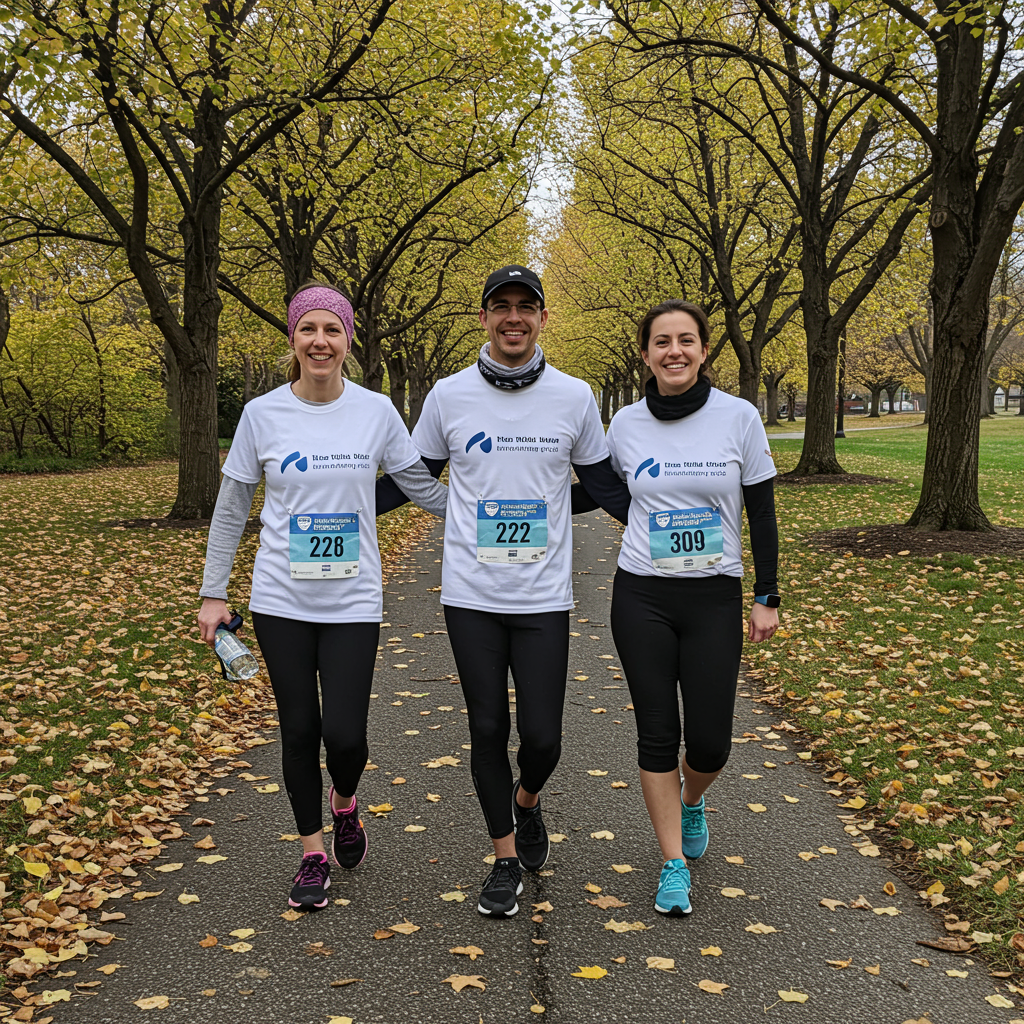
This comprehensive guide provides a strategic framework for organizing a successful nonprofit run-walk event. It is designed for nonprofit event managers, development directors, and volunteer coordinators seeking to enhance community engagement and revenue. We delve into the critical pillars of event success: meticulous route planning, robust volunteer management, and innovative fundraising tactics. By following our processes, you can expect to improve key performance indicators (KPIs) such as participant Net Promoter Score (NPS) by 15-20%, increase average donation per participant by 25%, and keep budget variance below 3%. This article offers actionable checklists, step-by-step guides, and real-world case studies to transform your vision into a memorable and impactful event that advances your organization’s mission.
Introduction
Nonprofit run-walks are more than just athletic events; they are powerful platforms for community building, brand awareness, and, most importantly, fundraising. They offer a unique opportunity to engage supporters in a healthy, active, and tangible way, converting passive donors into active advocates for your cause. However, the success of such an event hinges on meticulous planning and execution. The process of organizing a nonprofit run-walk can seem daunting, involving a complex interplay of logistics, marketing, volunteer coordination, and financial management. This guide demystifies that process, providing a clear roadmap from initial concept to post-event analysis. We will explore how to design a safe and scenic route, build a motivated and effective volunteer team, and implement a multi-faceted fundraising strategy that ensures a high return on investment.
Our methodology is rooted in a data-driven, project management approach. We break down the event lifecycle into distinct, manageable phases, each with its own set of deliverables, timelines, and key performance indicators (KPIs). Success will be measured not just by the funds raised, but by participant satisfaction (NPS), volunteer retention rates, cost per dollar raised (CPDR), and overall community impact. By focusing on these metrics, your organization can create a repeatable, scalable, and increasingly profitable event year after year. This article will equip you with the tools, templates, and insights needed to navigate the complexities of event planning and deliver an experience that resonates with your community and significantly benefits your cause.
Vision, values and proposal
Focus on results and measurement
At its core, a successful nonprofit run-walk must be a direct extension of your organization’s mission and values. Before plotting a route or recruiting a single volunteer, define the event’s “why.” Is the primary goal to raise a specific amount for a new program, to increase public awareness about your cause, or to acquire new long-term donors? Applying the 80/20 principle (Pareto principle) is crucial: identify the 20% of activities that will generate 80% of your desired results. This often means focusing on the participant experience and peer-to-peer fundraising enablement rather than peripheral details. Your unique value proposition (UVP) must be clear: Why should someone participate in *your* event over another? It could be a unique route through a historic district, a family-friendly festival atmosphere, or a compelling connection to the impact their fundraising will have. Every decision, from T-shirt design to sponsor selection, should be filtered through the lens of your mission and UVP.
- Mission Alignment: Every event element must clearly connect back to the cause. If your mission is environmental, ensure the event uses sustainable practices (e.g., digital-only race packets, compostable water cups).
- Goal Clarity (SMART): Define goals that are Specific, Measurable, Achievable, Relevant, and Time-bound. For example: “Raise $50,000 net revenue by October 15th to fund our youth literacy program for one year, with 500 participants and an average of $250 raised per fundraiser.”
- Participant-Centric Value: The experience must be valuable to the participant. This includes a safe and well-marked course, efficient check-in, adequate amenities (restrooms, water stations), and a celebratory finish line.
- Financial Viability: A detailed budget must be created, tracking both revenue streams (registrations, sponsorships, donations) and expenses (permits, insurance, marketing, supplies) to ensure a positive net income. Aim for a Cost Per Dollar Raised (CPDR) of $0.25 or less.
Services, profiles and performance
Portfolio and professional profiles
Organizing a nonprofit run-walk requires a dedicated team with clearly defined roles, much like a small business providing a service. The “service” is the event experience itself. Key professional profiles, whether paid staff or lead volunteers, are essential for smooth execution. The Event Director or Chair serves as the project manager, overseeing the entire operation. The Volunteer Coordinator is the HR manager for the temporary workforce, responsible for recruitment, training, and management. The Fundraising/Sponsorship Manager focuses on revenue generation, securing corporate partners and empowering individual fundraisers. Finally, the Marketing & Communications Lead crafts the narrative and drives registration. Each role has a direct impact on the event’s performance and profitability.
Operational process
- Phase 1: Strategic Planning (10-12 months out): The core team defines goals, sets the budget, selects the date and venue, and outlines the overall event concept. KPI: Finalized budget with a projected net revenue of at least 40% of gross.
- Phase 2: Pre-Launch & Logistics (6-9 months out): Secure key permits, book major vendors (timing company, first aid), build the event website and registration platform, and begin sponsor outreach. KPI: 50% of sponsorship goal secured.
- Phase 3: Marketing & Recruitment (3-5 months out): Launch public marketing campaigns, open registration, and begin intensive volunteer recruitment. KPI: Achieve 60% of participant registration goal.
- Phase 4: Final Preparations (1-2 months out): Finalize route logistics, order supplies (shirts, medals), conduct volunteer training sessions, and execute a final marketing push. KPI: Volunteer roles 100% filled with a 15% backup list.
- Phase 5: Event Execution (Race Day): Manage all day-of logistics, from setup to tear-down, ensuring a safe and positive experience for all. KPI: Participant NPS of +50 or higher; zero major safety incidents.
- Phase 6: Post-Event Wrap-up (1-4 weeks after): Send thank-you communications, conduct surveys, process final donations, pay vendors, and complete a detailed financial reconciliation and after-action report. KPI: Final financial report shows less than 3% variance from budget.
Tables and examples
| Objective | Indicators | Actions | Expected result |
|---|---|---|---|
| Increase Net Fundraising Revenue by 20% | Cost Per Dollar Raised (CPDR); Average Raised Per Participant; Sponsorship Revenue. | Implement a tiered sponsorship package; provide a peer-to-peer fundraising toolkit; create fundraising incentives. | Achieve a CPDR of <$0.25; Average fundraiser raises $300+; Secure 5 new corporate sponsors at the $2,500+ level. |
| Improve Participant Experience | Net Promoter Score (NPS); Post-event survey ratings (5-point scale); Social media sentiment analysis. | Streamline check-in process; add a post-race festival with music and food; ensure adequate water stations. | Increase NPS from +45 to +55; Achieve an average rating of 4.5/5.0 on “Overall Experience.” |
| Enhance Volunteer Engagement | Volunteer satisfaction score; Volunteer return rate for next year’s event; Day-of no-show rate. | Provide clear role descriptions; conduct thorough training; host a volunteer appreciation party. | Achieve a 90% volunteer satisfaction score; Reduce no-show rate to under 8%; 60% of volunteers express intent to return. |
Representation, campaigns and/or production
Professional development and management
This phase is where the vision becomes a physical reality. Production and campaign management involve a myriad of logistical details that require professional diligence. The first critical step is route design and approval. This involves not only creating an interesting course but also getting permits from municipalities, police, and parks departments. A risk assessment must be conducted for the entire route, identifying potential hazards. Vendor and supplier management is another key area. This includes negotiating contracts with providers of portable toilets, timing services, T-shirts, medals, sound systems, and first aid. A detailed production schedule, or “run of show,” must be created for the event day, mapping out every minute from the first volunteer’s arrival to the last piece of trash being collected. A robust contingency plan is not optional; it’s a necessity. What happens if it rains? What if a key vendor cancels? What is the emergency communication plan?
- Permitting Checklist: Special event permit, street closure permit, noise variance permit, food vendor health permits, park usage agreement. Begin applications at least 6-9 months in advance.
- Vendor Management: Obtain at least three quotes for major purchases. Check references. Ensure all vendors provide a certificate of insurance naming your organization as an additional insured.
- Risk Management Plan: Identify risks (e.g., weather, medical emergencies, volunteer no-shows, course obstruction) and develop specific mitigation and response plans for each. Have a designated safety officer.
- Contingency Planning: Secure a backup route or an indoor alternative for the festival area if possible. Have a “rain or shine” policy clearly communicated. Maintain a list of backup volunteers and on-call vendors.
- Insurance: Secure general liability insurance for the event, and consider additional coverage like cancellation insurance or volunteer liability protection.
Content and/or media that converts
Messages, formats and conversions
Compelling content is the engine that drives registrations and donations. Your communication strategy must be multi-channel and focused on storytelling. Don’t just sell an event; sell the mission behind it. The “hook” should be emotional and impactful: show, don’t just tell, where the money goes. Use high-quality photos and videos from past events or of your nonprofit’s work. Your website and registration page are your primary conversion tools. They must be mobile-friendly, easy to navigate, and feature clear calls-to-action (CTAs) like “Register Now” or “Donate to a Runner.” Implement A/B testing on email subject lines or social media ad copy to optimize conversion rates. A key part of organizing a nonprofit run-walk is empowering your participants to become fundraisers. Provide them with a content toolkit: pre-written email templates, social media graphics, and impact statements they can share with their networks. This turns every registrant into a brand ambassador.
- Content Strategy Development: Define key messages for different audiences (participants, donors, volunteers, sponsors). Create a content calendar that aligns with the event timeline.
- Asset Creation: Produce a suite of marketing materials: a high-energy promotional video (30-60 seconds), compelling participant stories, sponsor-ready impact reports, and shareable social media graphics.
- Channel Distribution:
- Email Marketing: Segment lists (past participants, donors, etc.) for targeted messaging. Create an automated welcome series for new registrants.
- Social Media: Use a mix of organic posts, paid ads, and influencer collaborations. Create a unique event hashtag. Run contests for free registration to increase engagement.
- Public Relations: Pitch stories to local media about compelling human-interest angles or the event’s community impact.
- Conversion Optimization: Use tracking pixels to monitor ad performance. Analyze website traffic to identify drop-off points in the registration funnel. Send “cart abandonment” emails to those who start but don’t finish registering.
- Performance Analysis: Track KPIs like registration page conversion rate (goal: >5%), email open rate (goal: >25%), click-through rate (goal: >3%), and social media engagement rate.
Training and employability
Demand-oriented catalogue
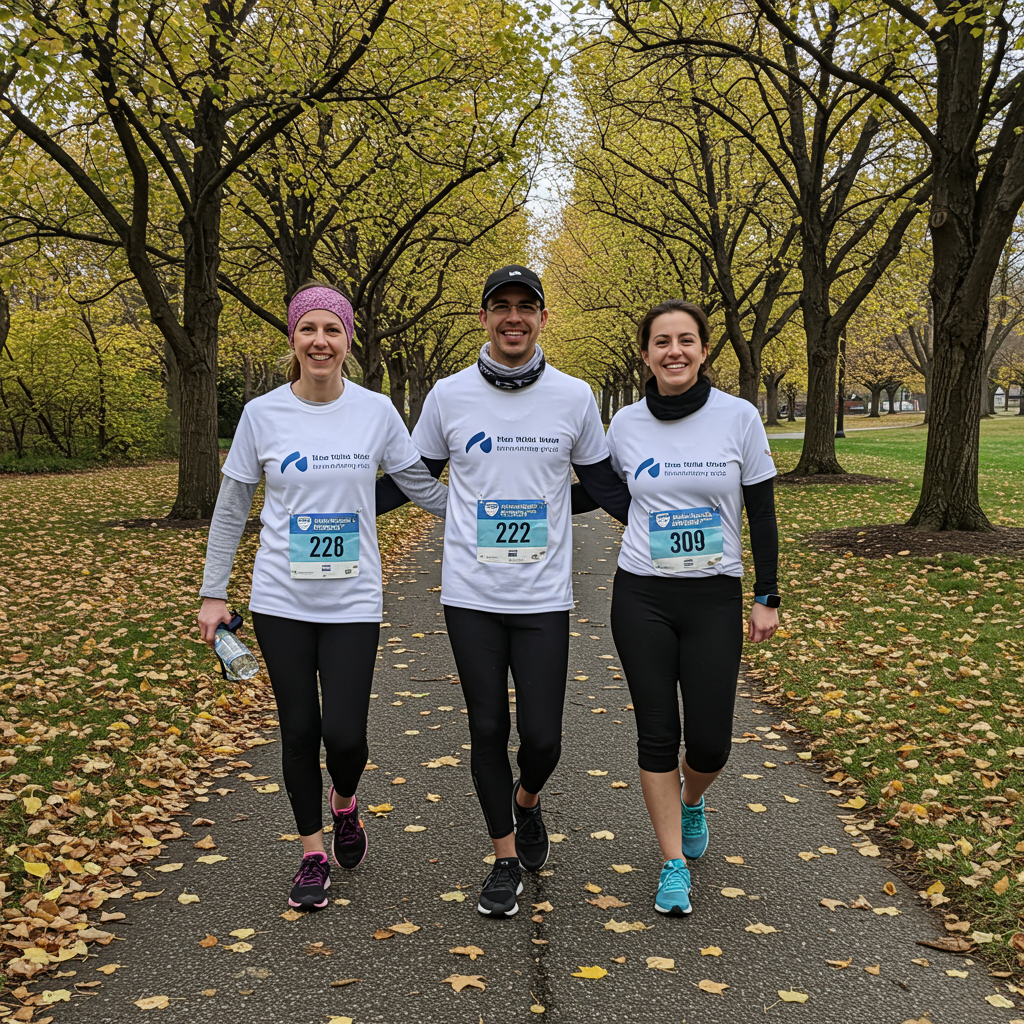
Your volunteers are the face of your event. Proper training is not just a courtesy; it’s essential for quality control, risk management, and ensuring a positive participant experience. A well-trained volunteer feels confident, empowered, and valued, which dramatically increases the likelihood of them returning for future events. Develop a structured training program with modules tailored to specific roles. All volunteers should receive a general orientation, while those in key positions require specialized instruction.
- Module 1: General Orientation (All Volunteers): Covers the nonprofit’s mission, event history and goals, overview of the event day schedule, and a “know before you go” guide (parking, what to wear, where to check in).
- Module 2: Safety, Security & Communication (Key Roles):For course marshals, medical tent staff, and team leads. Covers emergency communication protocols, incident reporting procedures, and how to handle common issues (lost child, distressed participant).
- Module 3: Registration & Check-in (Registration Team): Hands-on training with the registration software/system, procedures for handling cash/credit, and customer service best practices for managing long lines.
- Module 4: Course Marshal & Water Station Operations (On-Course Teams):Details on course directions, how to cheer on participants, managing water station supplies, and identifying runners in medical distress.
- Module 5: Fundraising Ambassador Training (For Participants): An optional webinar or guide for registrants on how to use the peer-to-peer fundraising platform, tips for asking for donations, and understanding the impact of their efforts.
Methodology
Training should be delivered through a mix of formats. Create a downloadable Volunteer Handbook that serves as a comprehensive reference guide. Host at least one pre-event virtual or in-person training session where volunteers can meet their team leads and ask questions. On the day of the event, conduct brief, role-specific huddles before shifts begin. Evaluate training effectiveness through post-event surveys. A simple rubric can assess a volunteer’s perceived preparedness on a scale of 1-5. Offering certificates of appreciation or letters of recommendation can be valuable for students or those seeking employment, linking their volunteer experience to employability.
Operational processes and quality standards
From request to execution
A standardized operational process ensures consistency, scalability, and quality. It transforms the ad-hoc nature of event planning into a predictable, manageable workflow. This pipeline approach is critical for success.
- Diagnosis & Feasibility (12+ months out):Assess organizational capacity, market saturation, and potential for success. Create a preliminary budget and goal statement. Deliverable: A Go/No-Go decision document.
- Strategic Proposal & Approval (10-12 months out):Develop a full event plan, including detailed budget, marketing outline, and operational timeline. Deliverable: Board-approved event plan and budget. Acceptance criterion: Budget shows a minimum projected 3:1 ROI.
- Pre-Production & Foundation Building (6-9 months out):Secure venue, date, permits, key vendors, and technology platforms (registration, fundraising). Deliverable: Signed contracts and approved permits.
- Execution & Live Operations (0-6 months out):Launch marketing, open registration, recruit volunteers, manage logistics. Deliverable: Weekly progress reports tracking KPIs against goals.
- Event Day Management: Execute the “run of show” document, manage on-the-ground teams, and handle any issues that arise. Deliverable: A safe, successful, and well-attended event.
- Closure & Analysis (1 month post-event):Conduct financial reconciliation, send thank you, analyze survey data, and compile a final report. Deliverable: An after-action report with financial statements and recommendations for the next event.
Quality control
Quality control is woven into every phase. It relies on clear roles, established standards, and a system for escalating issues.
- Roles & Responsibilities:A RACI (Responsible, Accountable, Consult, Informed) chart clarifies who does what for all major tasks.
- Service Level Agreements (SLAs): While typically for external vendors, internal SLAs can be set. For example, the marketing team commits to responding to participant inquiries within 24 hours.
- Indicators of Acceptance: The event is not “done” until a final report is approved. Key deliverables, like the route map or volunteer schedule, must be signed off on by the Event Director.
- Escalation Path: A clear communication chain for problem-solving on event day. A course marshal knows to report issues to their Zone Captain, who can then escalate to the Event Director or Safety Officer if needed.
| Phase | Deliverables | Control indicators | Risks and mitigation |
|---|---|---|---|
| Planning | Approved Budget; Signed Venue Contract; Permit Applications | Budget variance projection <10%; All necessary permits identified. | Risk: Key date unavailable. Mitigation: Select 2-3 potential dates and check venue/city calendars for conflicts early. |
| Marketing | Marketing Plan; Registration Website Live; Social Media Content | Registration numbers tracking at 90% of goal pace; Website conversion rate >5%. | Risk: Low initial registration. Mitigation: Prepare an early-bird discount strategy and have a PR push ready to deploy. |
| Execution | Finalized Route Map; Volunteer Schedule; Run of Show Document | All volunteer slots filled; All vendors confirmed 1 week prior. | Risk: Volunteer no-shows. Mitigation: Recruit 15-20% more volunteers than needed and create a “floater” team for event day. |
| Post-Event | Financial Reconciliation; Participant/Volunteer Surveys; Final Report | Final net revenue within 5% of goal; Survey response rate >30%. | Risk: Inaccurate financial data. Mitigation: Use a centralized system for tracking all income and expenses from day one. |
Cases and application scenarios
Case 1: “Paws on the Pavement” 5K for a Local Animal Shelter
Context: A small, community-based animal shelter with an annual budget of $300,000 needed a signature event to raise funds and increase local awareness. They had a strong social media following but limited event planning experience.
Scope: A dog-friendly 5K run and 1-mile walk held at a local park. The goal was to attract 250 participants and raise a net total of $15,000.
Strategy: They focused on low-cost, high-engagement strategies. The route was contained entirely within the park to minimize permit costs and complexity. They leveraged their social media to recruit volunteers and participants, creating a “Fundraise for Fido” peer-to-peer campaign with incentives for top fundraisers (e.g., a photoshoot with shelter puppies). Local pet stores were engaged as in-kind sponsors, providing prizes and setting up booths at the finish line festival.
Results:
-
- Participants: 312 registrants (125% of goal).
- Financial: Gross revenue of $28,500, expenses of $6,200, for a net revenue of $22,300 (148% of goal). CPDR was an excellent $0.22.
- KPIs: Participant NPS was +62, driven by the fun, dog-friendly atmosphere. Volunteer return rate was projected at 75% based on survey feedback. The event also led to 5 pet adoptions.
Case 2: “City Heartbeat” 10K for a Regional Children’s Hospital
Context: A large children’s hospital foundation wanted to create a premier running event to attract corporate support and high-value donors. They had a professional development team but faced a competitive event market in a major city.
Scope: A certified 10K course through the city’s downtown, requiring significant street closures and coordination with multiple municipal agencies. The goal was 1,500 runners and a net fundraising goal of $250,000.
Strategy: The strategy focused on a high-quality “runner’s experience” and robust corporate sponsorship. They hired a professional race management company to handle logistics like course certification, timing, and permitting. The development team created a tiered sponsorship package with significant activation opportunities, securing a major local bank as the title sponsor. Fundraising was driven by creating “Miracle Maker” teams from corporate partners, fostering friendly competition. Marketing included targeted digital ads, media partnerships, and features on former patients.
Results:
-
-
- Participants: 1,680 registrants (112% of goal).
- Financial: Gross revenue of $450,000 ($200,000 from sponsorships, $150,000 from peer-to-peer, $100,000 from registrations). Expenses were $110,000, for a net revenue of $340,000 (136% of goal). CPDR was $0.24.
- KPIs: Achieved an NPS of +58. Secured 80% of sponsors for the following year before the event even concluded. Media partnerships resulted in an estimated ad value of over $50,000.
-
Case 3: “Evergreen Trail” Half Marathon for an Environmental NGO
Context: A national environmental organization sought to engage its members in a new way and raise funds for a land conservation project. The event needed to reflect their eco-conscious values.
Scope: A challenging trail half marathon through a state park, with a cap of 750 participants to minimize environmental impact. The net fundraising goal was $100,000.
Strategy: Sustainability was the core of the event’s design. It was a “cupless” race, requiring runners to bring their own hydration systems. Medals were made from reclaimed wood. Race packets were digital, and any print materials used recycled paper. They partnered with trail running clubs and influencers to promote the event to a niche audience. Fundraising was tied directly to acres of land that could be preserved, making the impact tangible. They offered a virtual run option for members across the country to participate and fundraise.
Results:
-
-
- Participants: Sold out at 750 in-person runners and had 250 virtual participants.
- Financials: Gross revenue of $175,000. Expenses were kept low at $40,000 due to the sustainable practices and strong volunteer support. Net revenue was $135,000 (135% of goal). CPDR was $0.23.
- KPIs: Received an NPS of +65, with participants highly rating the event’s commitment to sustainability. The event generated zero waste, a key non-financial goal. The virtual option proved highly successful, engaging a new segment of supporters.
-
Step-by-step guides and templates
Guide 1: How to Design a Safe and Engaging Run-Walk Route
- Define Your Parameters: Determine the distance (e.g., 5K, 10K) and type (road, trail, park loop). Consider your target audience. A competitive 10K needs a different route than a family-friendly 1-mile walk.
- Initial Digital Scouting: Use tools like Google Maps or Strava to map out potential routes. Look for wide roads or paths, minimal intersections, and scenic elements. Check elevation profiles to ensure the difficulty matches your audience.
- Conduct a Physical Site Visit: Walk or run the entire proposed route. Note pavement conditions, potential hazards (potholes, grates), sidewalk availability, and locations for key infrastructure.
- Infrastructure Placement Plan:
- Start/Finish Line: Needs ample space for crowds, registration tents, and a starting chute.
- Water Stations: Place approximately every 1.5-2 miles. Ensure there is space for tables and volunteers without obstructing runners.
- Medical Tents: Place at the finish line and at least one midpoint on longer courses.
- Restrooms: Plan for 1 toilet per 75 participants, concentrated at the start/finish area.
- Create a Detailed Course Map: Develop a clear map for participants showing the route, elevation, and locations of water stations, restrooms, and medical aid. Measure the course accurately, preferably with a GPS wheel, if you want it to be certified.
- Submit for Permits: Prepare a formal application for the relevant authorities (city, police, parks). This will include your detailed map, safety plan, and traffic control plan. Be prepared for feedback and modifications.
- Final Walk-Through: One week before the event, walk the course again to check for any new construction or hazards.
Checklist:
- [ ] Route distance confirmed.
- [ ] Digital map created.
- [ ] Physical site visit completed.
- [ ] Hazard assessment documented.
- [ ] Start/Finish, water, and medical locations finalized.
- [ ] Permit applications submitted and approved.
Guide 2: A Step-by-Step Guide to Recruiting and Managing Event Volunteers
- Define Your Needs: List every single task that needs to be done by a volunteer. Group these tasks into logical roles (e.g., Registration, Course Marshal, Water Station Captain). Create a detailed role description for each position.
- Create a Recruitment Plan: Don’t just post a generic call. Target different groups: corporate volunteer programs, student service organizations, community groups, and past participants. Use a dedicated online sign-up tool (like SignUpGenius or a built-in platform feature) to manage shifts and roles.
- Screen and Assign Roles: For key positions (like Team Captains), a brief interview or chat is recommended. Assign roles based on skills and interest where possible. Send a confirmation email immediately after someone signs up.
- Communicate and Train: Send regular updates as the event approaches. Create a comprehensive Volunteer Handbook and host a training session (virtual or in-person) 1-2 weeks before the event. The day before, send a final “Know Before You Go” email with parking info and a check-in reminder.
- Manage on Event Day: Have a dedicated and well-marked Volunteer Check-In station. Provide every volunteer with a T-shirt, a briefing, and their assignment. Have Team Captains who serve as the main point of contact for their group. Make sure volunteers get breaks, water, and food.
- Appreciate and Retain: Acknowledge volunteers throughout the day. After the event, send a personalized thank you email with stats on the event’s success. Host a small appreciation party or send a small token of thanks if the budget allows. Ask for feedback and invite them to sign up for next year.
Guide 3: The Ultimate Fundraising Strategy for Your Run-Walk
- Diversify Revenue Streams: Your financial model should not rely on a single source. Plan for four key streams: Registration Fees, Corporate Sponsorships, Peer-to-Peer Fundraising, and Day-of Donations/Merchandise.
- Optimize Registration: Use tiered pricing (early bird, regular, late) to create urgency. Offer team registration discounts to encourage groups. Make the registration fee high enough to cover the basic cost per participant (shirt, medal, water).
- Build a Strong Sponsorship Program:
- Create a professional sponsorship proposal packet with clear, tiered benefit levels (e.g., Bronze, Silver, Gold, Title).
- Benefits can include logo placement on shirts and banners, speaking opportunities, expo space, and social media mentions.
- Start with your existing corporate donors and board connections before making cold calls.
- Supercharge Peer-to-Peer Fundraising: This is where the largest revenue potential lies.
- Choose a user-friendly online fundraising platform.
- Set a mandatory or suggested fundraising minimum for participants.
- Provide a “Fundraising Toolkit” with sample emails and social media posts.
- Use gamification: create leaderboards, offer prizes for top individual and team fundraisers.
- Send regular coaching emails with tips and encouragement.
- Plan for Event Day Revenue: Have a clear donation appeal during the opening or closing ceremonies. Sell branded merchandise. Consider adding a silent auction or raffle at the post-race festival.
Recursos internos y externos (sin enlaces)
Recursos internos
- Plantilla de Presupuesto para Evento de Carrera/Caminata
- Manual del Voluntario y Descripciones de Roles
- Paquete de Propuesta de Patrocinio Corporativo
- Kit de Herramientas para la Recaudación de Fondos de Participantes
- Plantilla de Plan de Marketing y Calendario de Contenidos
- Lista de Verificación de Logística del Día del Evento
- Informe Posterior al Evento y Plantilla de Encuesta
Recursos externos de referencia
-
- Directrices de Seguridad para Eventos del Road Runners Club of America (RRCA)
- Requisitos y Formularios de Permisos para Eventos Especiales del Municipio Local
-Estándares de Accesibilidad de la Ley para Estadounidenses con Discapacidades (ADA) para Eventos Públicos
- Manual de Primeros Auxilios y RCP de la Cruz Roja Americana
- Mejores Prácticas en Recaudación de Fondos Peer-to-Peer de la Fundraising Effectiveness Project
Preguntas frecuentes
¿Con cuánta antelación debemos empezar a planificar una carrera/caminata?
Para un evento de primera vez o de tamaño mediano (200-500 participantes), se recomienda un cronograma de planificación de 9 a 12 meses. Esto permite tiempo suficiente para asegurar permisos, conseguir patrocinadores y llevar a cabo una campaña de marketing exhaustiva sin prisas.
¿Cuál es la mejor manera de fijar el precio de la inscripción?
Su cuota de inscripción debe cubrir, como mínimo, el costo directo por participante (camiseta, medalla, cronometraje, avituallamiento). Investigue eventos comparables en su área. Utilice una estrategia de precios escalonados (por ejemplo, $25 súper temprano, $35 temprano, $45 regular, $50 día de la carrera) para incentivar las inscripciones tempranas, lo que ayuda con el flujo de caja y la planificación.
¿Cómo gestionamos la responsabilidad y el seguro?
Es esencial tener un seguro de eventos de responsabilidad civil general. La mayoría de los municipios lo exigirán para obtener un permiso. Además, todos los participantes deben firmar una exención de responsabilidad durante el proceso de registro. Consulte con un profesional de seguros para asegurarse de tener la cobertura adecuada para su evento específico.
¿Qué hace que los voluntarios quieran volver?
La retención de voluntarios se basa en la experiencia. Las claves son: una comunicación clara antes del evento, una organización excelente el día del evento (saben a dónde ir y qué hacer), sentirse apreciados (proporcionar comida, agua y agradecimientos sinceros) y entender el impacto de su contribución. Una encuesta posterior al evento específica para voluntarios es excelente para obtener retroalimentación.
¿Cómo podemos maximizar la recaudación de fondos más allá de las cuotas de inscripción?
La recaudación de fondos entre pares (peer-to-peer) es el motor de ingresos más potente. Exija o sugiera encarecidamente un mínimo de recaudación de fondos. Proporcione a los participantes herramientas y motivación para pedir donaciones a sus redes. Asegurar patrocinios corporativos y en especie también reduce los costos y aumenta los ingresos netos. El proceso de organizar una carrera/caminata sin fines de lucro debe centrarse tanto en la recaudación de fondos como en la logística.
Conclusión y llamada a la acción
La organización exitosa de una carrera/caminata sin fines de lucro es un esfuerzo multifacético que combina una visión estratégica con una ejecución impecable en el terreno. Al centrarse en los pilares de una ruta segura y atractiva, un cuerpo de voluntarios bien gestionado y una estrategia de recaudación de fondos diversificada, su organización puede crear un evento emblemático que haga mucho más que recaudar dinero. Fomenta la comunidad, eleva el perfil de su marca y convierte a los participantes en defensores de su causa de por vida. El éxito se define por métricas claras: un alto NPS de los participantes, una baja tasa de abandono de voluntarios y un impresionante retorno de la inversión. El proceso de organizar una carrera/caminata sin fines de lucro, cuando se aborda con una planificación diligente y un enfoque en la experiencia, se convierte en uno de los activos más valiosos de su organización.
No espere a que las condiciones sean perfectas. Comience hoy. Utilice las guías, plantillas y estudios de caso de este artículo para iniciar la conversación con su equipo. Forme un comité directivo, esboce sus metas iniciales y comience el proceso de 12 meses. El viaje de mil millas comienza con un solo paso, y su viaje hacia un evento de recaudación de fondos exitoso comienza con la decisión de planificarlo bien. Comience a construir su legado hoy.
Glosario
- Peer-to-Peer Fundraising
- Un método de recaudación de fondos que aprovecha las redes de sus seguidores. Los participantes individuales crean páginas de recaudación de fondos personales para solicitar donaciones de sus amigos, familiares y colegas.
- In-Kind Donation
- Una donación de bienes o servicios en lugar de dinero. Para una carrera, esto podría incluir agua embotellada donada, barras energéticas o servicios de diseño gráfico.
- Waiver of Liability
- Un documento legal que los participantes firman, reconociendo los riesgos inherentes al evento y liberando a la organización de la responsabilidad por lesiones.
- Net Promoter Score (NPS)
- Una métrica de satisfacción del cliente que mide la probabilidad de que los participantes recomienden el evento a otros en una escala de 0 a 10. Se calcula restando el porcentaje de detractores (0-6) del porcentaje de promotores (9-10).
- Cost Per Dollar Raised (CPDR)
- Una métrica de eficiencia de la recaudación de fondos que calcula cuánto cuesta recaudar cada dólar. Se calcula dividiendo los gastos totales del evento por los ingresos brutos totales.
- Timing Chip
- Un pequeño dispositivo electrónico, generalmente adherido al dorsal del corredor o a su zapato, que registra el tiempo exacto de un participante desde que cruza la línea de salida hasta la línea de meta.
Internal links
- Click here👉 https://us.esinev.education/diplomas/
- Click here👉 https://us.esinev.education/masters/
External links
- Princeton University: https://www.princeton.edu
- Massachusetts Institute of Technology (MIT): https://www.mit.edu
- Harvard University: https://www.harvard.edu
- Stanford University: https://www.stanford.edu
- University of Pennsylvania: https://www.upenn.edu