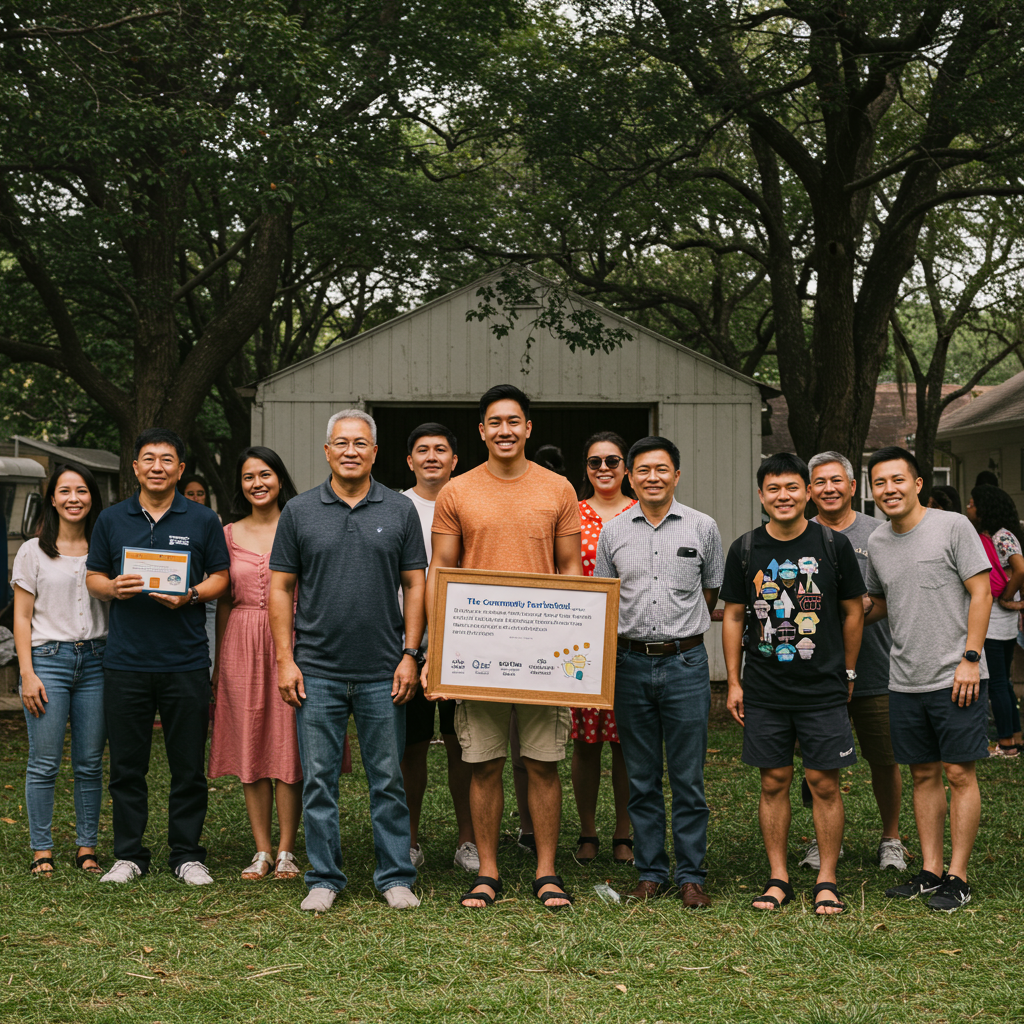
This article provides a comprehensive framework for organizing and sustaining community festivals. The focus is on three key pillars: fundraising through grants, efficiently managing a motivated volunteer corps, and developing strategic partnerships with local partners. Through step-by-step guides, case studies, and templates, organizers will learn how to implement operational processes that guarantee the financial viability and social impact of the event.
Key performance indicators (KPIs) will be addressed, such as return on investment for sponsors (ROI), community participation rate, Net Promoter Score (NPS) of volunteers and attendees, and budget variance. This guide is aimed at organizing committees, cultural managers, and community leaders seeking to maximize the value and sustainability of their festivals.
Introduction
Community festivals are the lifeblood of our neighborhoods and cities. They represent a unique opportunity to celebrate local culture, strengthen social bonds, and boost the economy. However, their success is not a matter of chance. Behind every memorable event lies a robust structure of planning and execution. Support for community festivals is a discipline that integrates fundraising, mobilizing human capital, and creating synergies with the surrounding business and social fabric. Without a clear strategy in these three areas—grants, volunteers, and local partners—even the most brilliant idea can fail due to a lack of resources or community involvement. This article breaks down a proven model for building such a support system from scratch.
The proposed methodology is based on a continuous improvement cycle: Plan, Do, Check, Act (PDCA). Progress and success will be measured through a set of quantitative and qualitative Key Performance Indicators (KPIs). These include the grant success rate (target: >30%), volunteer satisfaction (target: NPS > 50), return on investment for sponsors (target: >3:1 in media value), and year-over-year attendance growth (target: >15%). By the end of this reading, you will have the necessary tools to transform your vision into a thriving and sustainable festival.
Vision, Values, and Proposal
Focus on Results and Measurement
The vision of a community festival must transcend mere entertainment. It must aspire to be a catalyst for positive change, whether by fostering inclusion, promoting local artists, or revitalizing a public space. Our values center on sustainability, participation, and transparency. We apply the Pareto principle (80/20), focusing 80% of our efforts on the 20% of activities that generate the greatest impact, such as securing a key grant or forging an alliance with a strategic partner. The technical standards that guide our production include ISO 20121 on sustainable event management and local safety and accessibility guidelines.
- Clear Value Proposition: Define what makes the festival unique. Is it its focus on folk music, local gastronomy, or sustainability? This clarity is crucial for attracting the right audience, volunteers, and sponsors.
- Measurable Quality Criteria: Establish success thresholds. For example, a minimum of 85% of attendees must rate the experience as “good” or “excellent” in post-event surveys.
- Decision Matrix for Initiatives: Use an impact vs. Effort to prioritize new activities. A “high-impact, low-effort” idea (e.g., a social media campaign with a local partner) should take priority over a “low-impact, high-effort” idea (e.g., building a complex stage set with limited resources).Financial transparency: Publish a simplified annual report detailing income (grants, sponsorships, ticket sales) and expenses, building trust within the community and among funders.
Services
Services
Portfolio and professional profiles
Organizing a festival is, at its core, providing a complex service to the community. Our service portfolio covers all phases of the event lifecycle, providing robust support for community festivals. This includes: strategic planning and feasibility, fundraising and grant writing, sponsorship management, volunteer recruitment and coordination, marketing and communications, production and logistics, and post-event evaluation. Key professional profiles are required to execute these services, even if they are volunteer roles: a Festival Director (strategic vision), a Sponsorship Coordinator (business relations), a Volunteer Manager (human resources), and a Production Manager (logistics).
Operational Process
- Phase 1: Diagnosis and Planning (Weeks 1-8). A feasibility analysis is conducted, the festival concept is defined, and the initial budget is prepared. KPI: Preliminary budget with an estimated deviation of <10%. Phase 2: Fundraising and Partnerships (Weeks 9-24). Drafting and submitting grant applications, developing sponsorship packages, and contacting local partners. KPI: Secure 60% of the target budget by week 24. Phase 3: Marketing and Recruitment (Weeks 25-40). Launching the communication campaign, opening volunteer registration, and selling advance tickets. KPI: Achieve 75% of the target number of recruited volunteers by week 40. Phase 4: Pre-production (Weeks 41-50). Contracting suppliers, confirming artists, handling permit and insurance logistics, and developing a security plan. KPI: All contracts and permits signed 2 weeks before the event. Phase 5: Execution and Closure (Weeks 51-52). Setup, festival celebration, dismantling, and cleanup. KPI: Zero serious security incidents. Phase 6: Evaluation and Appreciation (Post-event, 4 weeks). Surveys, financial and impact reports, and thank-you messages to all involved. KPI: Survey response rate >20%.
Tables and examples
Online recruitment campaign; training and recognition program.120 registered participants, NPS > 50, and a no-show rate <10%.Get 10 local partners (in-kind contributions)Value of goods/services obtainedCreate a needs catalog (e.g., water, printing materials); Contact local businesses.€5,000 savings in the expense budget thanks to in-kind contributions.
Objective Indicators Actions Expected result Secure €15,000 in public grants Number of applications submitted; Success rate Identify 5 relevant calls for proposals; draft and submit customized proposals. Obtain at least 2 grants with a minimum total value of €15,000. Recruit and retain 100 volunteers Number of registrants; Volunteer NPS; Shift attendance rate Detailed phased planning reduces unforeseen costs and improves the quality of execution by more than 25%.
Representation, campaigns and/or production
Professional development and management
The production phase is where planning becomes reality.
Professional management is essential to coordinate the many stakeholders involved: suppliers, artists, security personnel, volunteers, and local authorities. The execution schedule is the master document that synchronizes all activities, from the arrival of the first truck for stage assembly to the collection of the last piece of waste. The process of obtaining permits and licenses (for street occupancy, noise, food sales) should begin months in advance to avoid last-minute surprises. The selection of suppliers should not be based solely on price, but also on their reliability, experience in similar events, and compliance with safety and labor regulations.
Legal Documentation Checklist: Contracts with artists and suppliers, liability insurance policies (minimum €600,000 coverage), self-protection plan, municipal licenses, and health registrations for food stalls.
Contingency Plan A/B/C:
Plan A (Ideal): The event proceeds as planned.
Plan B (Weather Contingency): Covered alternative location, ponchos for staff, communication of changes on social media.
Plan C (Serious Emergency): Clear evacuation protocols, safe meeting point, coordination with emergency services (112).
- Supply Chain Management: Confirm the delivery/collection date and time with each supplier 72 hours in advance. Have at least one alternative supplier for critical items such as generators or portable toilets.
- Security Coordination: Pre-event meeting (one week prior) with the local police, civil protection, and the private security company to review the venue layout, evacuation routes, and communication protocols.
Content and/or media that convert
Messages, formats, and conversions
Content is the vehicle for communicating the The festival’s value proposition and community engagement are key. It’s not just about announcing dates and artists, but about telling a story that emotionally connects with the target audience. “Hooks” can include testimonials from past attendees, behind-the-scenes videos showcasing the work of volunteers, or interviews with local artists. Each piece of content should have a clear call to action (CTA): “Buy your early bird ticket and save 20%,” “Join our volunteer team,” or “Share if you love your local culture.” We conduct A/B testing on our social media campaigns, for example, comparing a graphic poster against a short video to see which generates a higher click-through rate (CTR) for ticket sales. The goal is a conversion rate of over 3% on volunteer registration pages. A key element is integrating the narrative of supporting community festivals into the communication, highlighting the role of sponsors and volunteers.
Phase 1: Content Strategy (2-4 weeks). Define key audiences (youth, families, etc.), main messages, and distribution channels (Instagram, Facebook, newsletter, local press). Responsible: Communications Director.
Phase 2: Creation of Base Materials (4-6 weeks). Design the festival’s visual identity, create social media templates, write the press release and sponsorship dossier. Responsible: Graphic Designer and Copywriter.
Phase 3: Launch Campaign (1-2 weeks). Coordinated publication across all channels to announce the dates, the main lineup, and the opening of ticket sales/volunteer registration. Responsible: Community Manager.
Phase 4: Sustainability Campaign (during pre-production). Regular publication of valuable content: interviews, previews, volunteer stories, thank yous to sponsors. Frequency: 3-5 posts per week. Responsible: Community Manager.
Phase 5: Event Coverage (in real time). Posting photos, live videos, and Instagram stories during the festival to create a FOMO (Fear Of Missing Out) effect. Responsible: On-site Content Team.
Phase 6: Post-event Campaign (2-3 weeks). Posting the recap video, photo album, public thank yous, and satisfaction survey. Responsible: Communications Director.
Training and employability
Demand-driven catalog
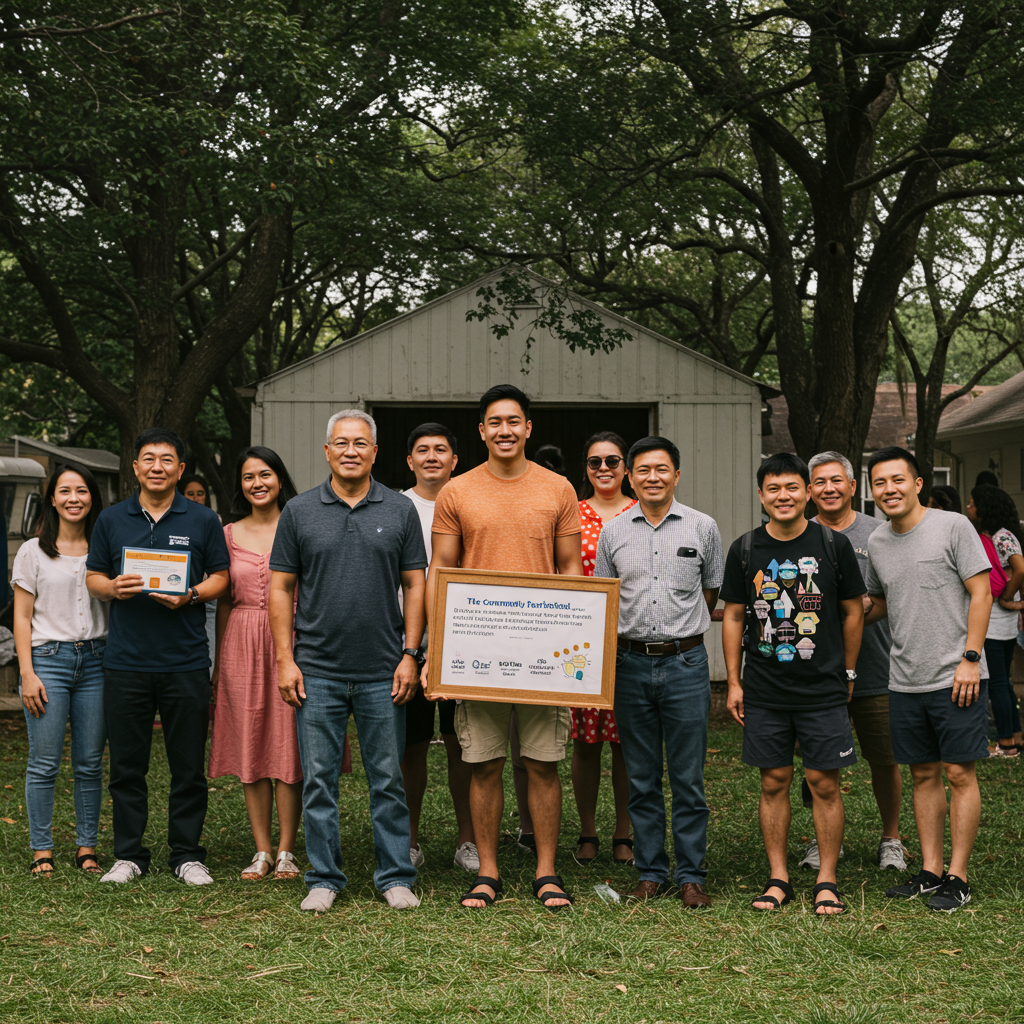
Volunteers are not free labor; they are the heart of the festival and an investment in social capital. A well-structured training program not only improves the quality of the event but also provides volunteers with transferable skills, increasing their employability. This transforms volunteering into a personal and professional development experience, which in turn increases motivation and retention rates.
Module 1: Welcome and Induction (Mandatory). History and values of the festival, organizational structure, volunteer rights and responsibilities. Duration: 1.5 hours.
Module 2: Safety and Emergency Protocols (Mandatory). Risk identification, evacuation plan, basic use of fire extinguishers, emergency communication. Taught in collaboration with Civil Protection. Duration: 2 hours.
Module 3: Customer Service and Conflict Resolution (Specific). For volunteers at information points, ticket booths, and access points. Assertive communication and de-escalation techniques. Duration: 3 hours.
Module 4: Sustainability and Waste Management (Specific). For cleaning teams and “green brigades.” Waste separation procedures and environmental communication to the public. Duration: 1 hour.
Module 5: Basic Production and Assembly (Specific). For logistics team volunteers. Basic assembly safety, handling of basic tools, and signage. Duration: 2 hours.
Methodology
The training combines theoretical sessions with practical simulations. Evaluation is carried out using simple rubrics that assess the application of protocols during the event. At the end, each volunteer receives a certificate detailing the hours and skills acquired. We collaborate with the local job board to ensure this experience is recognized by companies. The expected results are a 30% reduction in minor incidents handled by security personnel and a 15% increase in the volunteer return rate for the next edition.
Operational Processes and Quality Standards
From Application to Execution
- Initial Diagnosis: The organizing committee completes a self-assessment form regarding the maturity of their festival idea. A SWOT (Strengths, Weaknesses, Opportunities, Threats) analysis of the project is conducted. Deliverable: Preliminary Feasibility Report.
- Proposed Structure: The organizational chart, roles, and responsibilities are defined. A detailed budget and fundraising plan are developed. Deliverable: Festival Strategic Plan (includes budget and marketing plan). Acceptance Criteria: Committee approval.
- Pre-production: Intensive management phase. Grant applications are submitted, sponsorship agreements are signed, suppliers are contracted, and the communication campaign is launched. Deliverable: Detailed production schedule (Gantt chart), communication plan, signed contracts.
- Execution: Implementation of the setup, security, and event programming plan. Real-time incident management. Deliverable: The festival itself. Acceptance Criteria: Completion of at least 95% of the program without significant delays.
- Closure and Evaluation: Dismantling, cleaning, final payments to suppliers. Data collection (attendance, surveys), preparation of the final report and financial statement. Deliverable: Impact report and financial statement. Acceptance Criteria: Closing accounts with a budget deviation of less than 5%.
Quality Control
- Defined Roles: A Quality Manager (this role may be assumed by the Festival Director) oversees compliance with the standards.
- Incident Escalation: A clear chain of command is established. A volunteer reports to their team leader, the leader to the area manager, and the area manager to the production director. Critical decisions are made at the Advanced Command Post.
- Acceptance Indicators: Each deliverable has clear criteria. For example, the sponsorship dossier is not sent until it includes at least three levels of contribution with quantifiable benefits.
- Service Level Agreements (SLAs): With key suppliers, such as sound providers, a maximum response time of 30 minutes is specified to resolve any technical issues during the event.
ExecutionEvent without serious incidentsAttendees’ NPS > 40; Number of formal complaints <0.1% of attendeesRisk: Overcrowding or security issues. Mitigation: Strict capacity control, adequate security personnel, and clear evacuation routes.
| Phase | Deliverables | Control Indicators | Risks and Mitigation |
|---|---|---|---|
| Planning | Strategic Plan, Budget | Realistic Budget (reviewed by 2 people); Feasible Timeline | Risk: Unrealistic objectives. Mitigation: Base projections on data from similar festivals and add a 10% contingency to the budget. |
| Fundraising | Grant applications, Sponsorship agreements | Application success rate >30%; % of budget covered | Risk: Funding shortfall. Mitigation: Diversify revenue streams (public, private, self-funding) and avoid relying on a single grant. |
| Production | Contracts signed, Safety plan approved | Schedule deviation <2 days; Zero non-conformities in security inspection | Risk: Failure of a critical supplier. Mitigation: Have a list of backup suppliers and penalty clauses in contracts. |
Case studies and application scenarios
Case 1: “Barrio Alto Arts Festival” (First Edition)
The challenge was to launch a performing arts festival in a neighborhood with limited cultural offerings, with an initial budget of only €8,000. The focus was on supporting community festivals at a hyperlocal level. A committee was formed with residents’ associations and business owners. The funding strategy was based on a municipal grant for “new cultural initiatives” (€5,000 was obtained) and a “micro-sponsorship” program for local businesses (contributions starting at €50 in exchange for visibility). Forty volunteers, primarily art students and retired residents of the neighborhood, were recruited through talks at community centers. The one-day festival attracted 1,200 people. Key KPIs: Budget executed with a deviation of +2% (€160), attendee NPS of +65, and 15 local businesses participated as sponsors. The total time from idea to event was 9 months.
Case 2: “EcoFest del Río” (Sustainable Growth)
This annual music and ecology festival, with 5,000 attendees, wanted to reduce its environmental impact. The goal was to become a “zero waste” event. A strategic alliance was forged with the municipal cleaning company and a recycling cooperative. Single-use plastics were banned, and a reusable cup system was implemented (with a €1 deposit). A dedicated “green brigade” of 30 volunteers was formed to inform the public and manage the five “recycling islands.” The communication campaign focused on sustainability, attracting sponsors from eco-friendly brands. Key KPIs: Waste diversion rate to landfill reduced from 45% to 8% (an 82% improvement), €3,000 in additional revenue was generated from the sale of eco-friendly merchandise, and a major sponsor from the renewable energy sector was secured worth €12,000. The return on investment for this sponsor, measured in equivalent media value, was 4:1.
Case 3: “Flavors of the Valley Gastronomic Festival” (Professionalizing Management)
A successful gastronomic festival, with a 10-year history and 15,000 attendees, was suffering from burnout among its organizing team, composed entirely of volunteers. The challenge was to professionalize management without losing the community spirit. It was decided to create a paid, part-time “Festival Manager” position. To fund it, sponsorship packages were redesigned, offering more sophisticated brand activations and audience demographics. Event management software was implemented to automate tasks such as exhibitor registration and volunteer shift assignments. This freed up committee time to focus on strategy. Key KPIs: A reduction of 200 hours of administrative work for the committee, a 40% increase in sponsorship revenue (from €25,000 to €35,000), and an improvement in exhibitor NPS from +20 to +45 due to better organization. The investment in the manager’s salary (€18,000/year) was more than covered by the new revenue.
Case 4: “La Claqueta” Independent Film Festival (Crisis and Resilience)
Two months before the event, the main sponsor (who was contributing 50% of the €50,000 budget) unexpectedly withdrew. The committee had to activate a crisis plan based on transparency and community support. A crowdfunding campaign was launched under the hashtag #SaveLaClaqueta, explaining the situation with complete honesty. Previous sponsors were contacted and offered a “Festival Hero” package with extra visibility. Rates were renegotiated with suppliers, explaining the situation, and many offered discounts. Smaller pre-festival events were organized to raise funds. Key KPIs: The crowdfunding campaign raised €18,000 in 3 weeks (72% of the €25,000 target). An additional €10,000 was secured from 5 mid-sized sponsors. The final budget was reduced to €43,000 without sacrificing the quality of the main program. Attendance increased by 10% due to the extensive media coverage of the rescue campaign, demonstrating the resilience that a strong community provides.
Step-by-step guides and templates
Guide 1: How to Write a Winning Grant Application
- Research (1-2 weeks): Identify grant opportunities (local, regional, national, private foundations) whose objectives align with your festival’s mission (culture, youth, social cohesion, etc.). Create a timeline of deadlines.
- Analysis of the terms and conditions (3-4 hours per opportunity): Carefully read every word of the opportunity. Underline the evaluation criteria, required documentation, and keywords. Call the organizing body to resolve any doubts.
- Project Structuring (1 week): Develop your project narrative. It should include an introduction (the problem your festival solves), objectives (SMART: Specific, Measurable, Achievable, Relevant, and Time-bound), a methodology (how you will do it), a timeline, and an evaluation system.
- Budget Preparation (2-3 days): The budget should be detailed, realistic, and perfectly aligned with the narrative. Each expense item should correspond to an activity described in the project. Don’t inflate costs, but don’t be overly optimistic either.
- Document Gathering (1 week): Gather all the attachments: association bylaws, tax certificates, letters of support from local partners, team CVs, etc. It’s a slow process, don’t leave it until the last minute.
- Writing the proposal (3-5 days): Write clearly, concisely, and persuasively. Use the keywords from the call for proposals. Demonstrate the impact and viability of your festival. Ask someone external to review it to identify errors or confusing sections.
- Submission and follow-up (1 day): Submit the application through the indicated platform, making sure you receive confirmation of registration. Note the decision date and follow up discreetly if possible.
- Final checklist: Does the project meet ALL the evaluation criteria? Does the budget match the exact amount? Are all documents signed and in the correct format? ¿El nombre del archivo es el que se solicita?
Guía 2: Plan de Reclutamiento y Gestión de Voluntarios en 8 Pasos
- Definición de Roles: Crea fichas de puesto para cada rol de voluntario (p. ej., “Información”, “Montaje”, “Redes Sociales”), detallando tareas, horario y habilidades requeridas.
- Creación de la Oferta: Redacta una llamada a la acción atractiva. No pidas solo “ayuda”, ofrece una “oportunidad de vivir el festival desde dentro, aprender y conocer gente nueva”.
- Canales de Difusión: Utiliza redes sociales, contacta con universidades y escuelas de formación profesional, pon carteles en centros cívicos y habla con otras asociaciones locales.
- Proceso de Selección: Usa un formulario online sencillo. Realiza una breve entrevista (15 min) o una sesión grupal para conocer las motivaciones y asignar el rol más adecuado.
- Formación y Onboarding: Organiza una sesión de bienvenida general y formaciones específicas por equipos. Entrega un “Manual del Voluntario” con toda la información práctica.
- Comunicación Continua: Crea un canal de comunicación exclusivo (p. ej., un grupo de WhatsApp o Telegram) para resolver dudas y enviar recordatorios antes y durante el festival.
- Gestión Durante el Evento: Designa un “Coordinador de Voluntarios” claramente identificable. Asegúrate de que los voluntarios tengan agua, comida y descansos. Agradece su trabajo constantemente.
- Reconocimiento y Fidelización: Organiza una pequeña fiesta post-evento para los voluntarios. Entrega certificados de participación. Pide feedback a través de una encuesta y mantenlos informados para futuras ediciones.
Guía 3: Creación de un Paquete de Patrocinio Local Atractivo
- Identificación de Socios Potenciales: Haz una lista de negocios locales cuyo público objetivo coincida con el de tu festival. Piensa más allá del dinero: ¿necesitas una imprenta, una empresa de catering, una floristería?
- Investigación: Antes de contactar, investiga cada negocio. ¿Qué tipo de marketing hacen? ¿Han patrocinado otros eventos? Esto te permitirá personalizar tu propuesta.
- Creación de Niveles: Diseña 3-4 niveles de patrocinio (p. ej., “Amigo del Festival”, “Socio de Bronce”, “Socio de Plata”, “Patrocinador Principal”) con aportaciones y beneficios crecientes.
- Cuantificación de Beneficios: No ofrezcas solo “un logo en el cartel”. Ofrece beneficios tangibles: “Logo en 5.000 folletos”, “Mención en 3 notas de prensa con un alcance estimado de 50.000 lectores”, “Stand de 2×2 m² en la zona de mayor afluencia”, “10 entradas de cortesía para sus clientes (valoradas en 150 €)”.
- Diseño del Dossier: Crea un documento visualmente atractivo (2-4 páginas) que explique la misión del festival, su público (datos demográficos), los niveles de patrocinio y la información de contacto.
- Contacto Personalizado: Evita los emails masivos. Llama por teléfono para concertar una breve reunión o acércate en persona. La relación personal es clave en el patrocinio local.
- Firma del Acuerdo: Formaliza todo por escrito en un acuerdo de patrocinio simple que detalle las obligaciones de ambas partes.
- Cumplimiento y Agradecimiento: Cumple rigurosamente todo lo prometido. Durante el evento, cuida a tus patrocinadores. Después, envíales un informe de impacto con fotos y métricas, y un agradecimiento personalizado.
Recursos internos y externos (sin enlaces)
Recursos internos
- Plantilla de Presupuesto para Festivales (Hoja de cálculo)
- Modelo de Plan de Comunicación y Marketing
- Checklist de Producción de Eventos
- Plantilla de Dossier de Patrocinio
- Manual del Voluntario (Modelo editable)
- Modelo de Encuesta de Satisfacción para Asistentes y Voluntarios
- Modelo de Acuerdo de Colaboración con Socios Locales
Recursos externos de referencia
- Norma ISO 20121: Sistemas de gestión de la sostenibilidad de eventos
- Guías de buenas prácticas para la elaboración de Planes de Autoprotección (Protección Civil)
- Legislación local y autonómica sobre espectáculos públicos y actividades recreativas
- Manuales de fundraising y captación de fondos de asociaciones del tercer sector
- Informes y estudios sobre el impacto económico y social de los festivales culturales
Preguntas frecuentes
¿Con cuánta antelación debo empezar a planificar un festival comunitario?
Para un festival de tamaño pequeño o mediano (hasta 2.000 personas), se recomienda un mínimo de 9 a 12 meses. Este tiempo es necesario para la búsqueda de financiación (las convocatorias de subvenciones suelen tener plazos muy estrictos), la obtención de permisos y la construcción de una base sólida de voluntarios y patrocinadores.
¿Qué tipo de seguro es imprescindible?
El seguro de Responsabilidad Civil es absolutamente obligatorio. Cubre los posibles daños a terceros (asistentes, personal, etc.) que puedan ocurrir durante el evento. La cobertura mínima suele ser de 300.000 a 600.000 €, aunque puede ser mayor dependiendo del aforo y el tipo de actividades. También es recomendable un seguro de cancelación por causas de fuerza mayor.
¿Cómo podemos medir el impacto económico real en la comunidad?
Se puede hacer una estimación a través de encuestas a los asistentes, preguntando por su gasto medio en el festival y en los comercios locales (hostelería, tiendas) durante su visita. Multiplicando este gasto medio por el número de asistentes no locales se obtiene una primera aproximación del impacto económico directo.
¿Cómo gestionar a un voluntario problemático o que no cumple con sus tareas?
Primero, hablar con la persona en privado para entender si hay algún problema. Recordarle los compromisos adquiridos de forma asertiva. Si la conducta persiste, el Coordinador de Voluntarios debe tomar una decisión, que podría implicar cambiarle de tareas a un rol de menor responsabilidad o, en casos extremos, pedirle que abandone el equipo, siempre agradeciendo su intención inicial de colaborar.
¿Cuál es la mejor manera de agradecer a patrocinadores y voluntarios?
El agradecimiento debe ser público y personal. Públicamente, a través de menciones en redes sociales, en el escenario durante el festival y en la memoria final. Personalmente, con una carta o email personalizado, un pequeño detalle (merchandising del festival) y, en el caso de los voluntarios, un certificado y una fiesta de agradecimiento. Para los patrocinadores, un informe de impacto que demuestre el retorno de su inversión es crucial.
Conclusión y llamada a la acción
El éxito de un festival comunitario no reside únicamente en su programación artística, sino en la solidez de su estructura de soporte. Hemos desglosado los tres pilares fundamentales —la obtención de subvenciones, la gestión de voluntarios y la creación de alianzas locales— que constituyen un sistema de apoyo para festivales comunitarios eficaz y sostenible. La implementación de procesos claros, la medición constante a través de KPIs como el NPS o el ROI, y la profesionalización de la gestión son factores que marcan la diferencia entre un evento único y un proyecto cultural que perdura en el tiempo. La resiliencia, como hemos visto en los casos de estudio, se construye a partir de una comunidad implicada y unas finanzas diversificadas.
Ahora es el momento de pasar a la acción. Utilice las guías y plantillas proporcionadas en este artículo como su hoja de ruta. Comience por evaluar su idea con un análisis DAFO, construya un presupuesto realista y empiece a tejer su red de alianzas locales. Cada paso, desde la primera solicitud de subvención hasta la fiesta de agradecimiento a los voluntarios, contribuye a construir un evento más fuerte, más impactante y más querido por su comunidad. El viaje es exigente, pero la recompensa de ver a su comunidad unida y celebrando es inmensa. ¡Empiece a planificar su próximo festival hoy mismo!
Glosario
- KPI (Key Performance Indicator)
- Indicador Clave de Rendimiento. Una métrica cuantificable utilizada para evaluar el éxito en el cumplimiento de los objetivos (p. ej., número de asistentes, tasa de éxito de subvenciones).
- NPS (Net Promoter Score)
- Una métrica que mide la lealtad y satisfacción de un cliente (o asistente/voluntario) preguntándole la probabilidad de que recomiende el servicio/evento a otros en una escala de 0 a 10.
- ROI (Return on Investment)
- Retorno de la Inversión. Métrica que compara el beneficio obtenido en relación con la inversión realizada. En patrocinios, se puede medir en valor mediático equivalente.
- Subvención
- Una ayuda económica, generalmente de una entidad pública o una fundación privada, que se concede para la realización de un proyecto de interés general y que no requiere devolución.
- Patrocinio
- Una aportación económica o en especie de una empresa privada a cambio de visibilidad y otros beneficios de marketing asociados al evento.
- Plan de Contingencia
- Un conjunto de procedimientos alternativos diseñados para ser implementados si un riesgo potencial se materializa (p. ej., un plan para la lluvia).
Internal links
- Click here👉 https://us.esinev.education/diplomas/
- Click here👉 https://us.esinev.education/masters/
External links
- Princeton University: https://www.princeton.edu
- Massachusetts Institute of Technology (MIT): https://www.mit.edu
- Harvard University: https://www.harvard.edu
- Stanford University: https://www.stanford.edu
- University of Pennsylvania: https://www.upenn.edu