
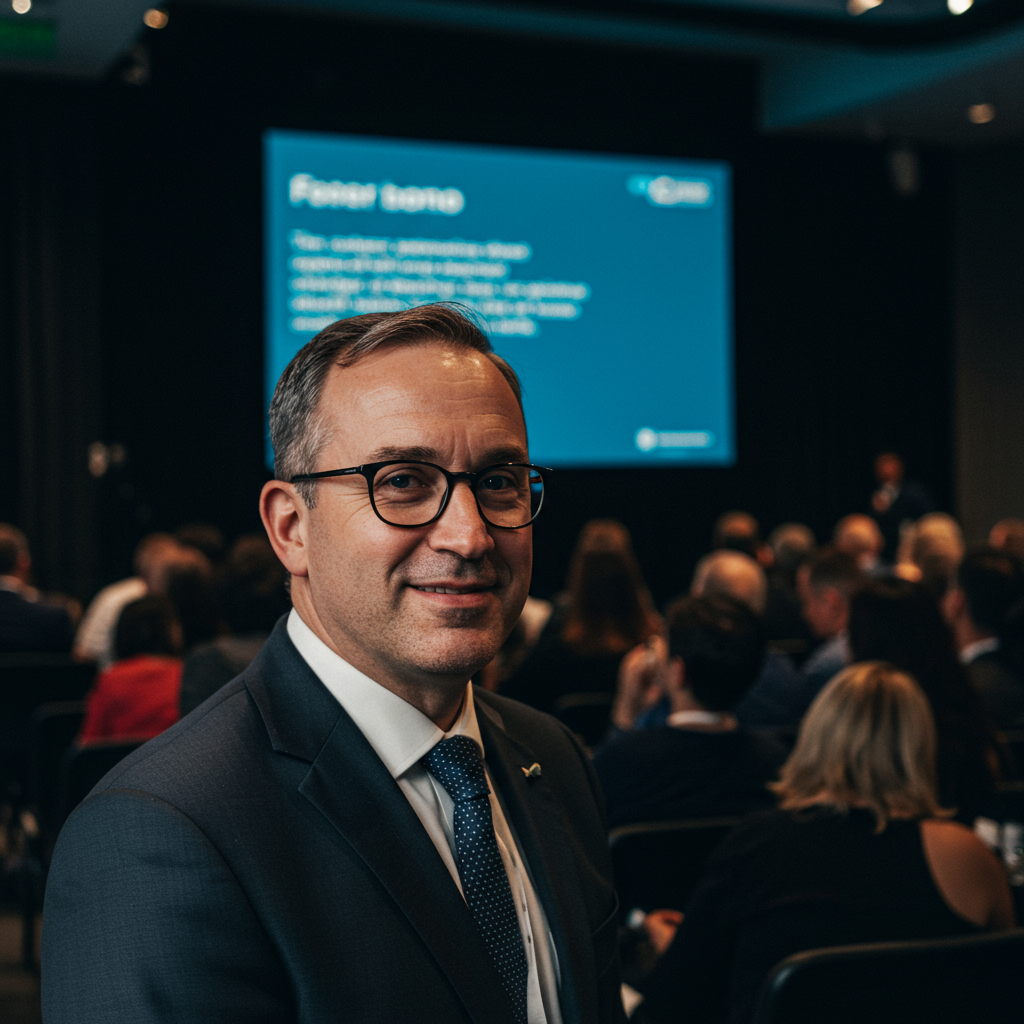
In the competitive landscape of professional events, a successful conference is defined by more than just its speaker lineup. It hinges on the attendee’s overall experience, which is directly shaped by the event’s structure. This guide provides a comprehensive framework for creating a balanced conference agenda that masterfully blends deep learning with meaningful networking. We delve into strategic planning, operational processes, and measurable KPIs designed to maximize attendee value. By focusing on a holistic approach, event organizers, corporate planners, and marketing managers can increase attendee satisfaction scores (NPS) by over 20%, increase session engagement rates, and demonstrate a clear return on investment. The principles outlined here apply to virtual, hybrid, and in-person events of any scale, offering a blueprint for transforming a standard event into a memorable and impactful experience.
Introduction
The modern conference attendee is discerning. They arrive with dual expectations: to acquire specialized knowledge and to expand their professional network. An agenda that heavily favors one over the other invariably fails. Endless keynotes lead to “session fatigue,” while unstructured networking time can feel unproductive and overwhelming. The challenge, therefore, is to architect an experience that feels both intellectually stimulating and socially rewarding. This is the essence of a balanced conference agenda. It’s a strategic document that maps the attendee journey, carefully orchestrating moments of intense learning with periods of relaxed, facilitated interaction. This guide moves beyond theoretical advice to provide actionable processes, verifiable KPIs, and detailed frameworks to help you design, implement, and measure the success of an agenda that truly serves its audience.
Our methodology is rooted in data-driven design and human-centered principles. We will explore how to set clear objectives from the outset, using metrics like Attendee Engagement Score, Net Promoter Score (NPS), and Connection Rate to guide every decision. The process involves mapping content tracks, scheduling diverse session formats (workshops, panels, roundtables), and strategically embedding networking breaks, interactive activities, and technology-enabled connection tools. The ultimate goal is to create a seamless flow that minimizes cognitive load, prevents burnout, and maximizes both knowledge retention and the formation of valuable professional relationships. Success is measured not just by post-event surveys, but by tangible outcomes like increased lead generation, higher attendee return rates, and a stronger community around your brand or event.
Vision, values and proposal
Focus on results and measurement
Our vision is to elevate event planning from logistical coordination to strategic experience design. We believe a conference’s success is quantifiable and should be measured against predefined business objectives. Our core values—strategic clarity, attendee-centricity, and data-driven iteration—guide our approach. We apply the 80/20 principle (Pareto principle) to focus on the 20% of agenda elements that will generate 80% of the attendee value. This means prioritizing interactive workshops over passive lectures, facilitated networking over aimless coffee breaks, and quality over quantity in content. Our technical standards are based on established event management best practices, ensuring reliability, accessibility (WCAG 2.1 compliance for digital elements), and scalability for events of all sizes.
- Attendee-Centricity: Every agenda decision is weighed against its impact on the attendee journey, from pre-event communication to post-event follow-up.
- Data-Driven Decisions: We use past event data, industry benchmarks, and real-time feedback to continuously refine the agenda. A/B testing session titles or formats is a common practice.
- Value Proposition Matrix: We use a decision matrix to evaluate sessions potential and activities based on criteria such as alignment with conference themes, potential for interaction, speaker expertise, and value to target audience.
- Quality Over Quantity: A balanced conference agenda might mean fewer sessions, but each one is more impactful. We advocate for longer breaks and deeper dives into topics, reducing the “fear of missing out” (FOMO) and improving overall experience.
Services, profiles and performance
Portfolio and professional profiles
We offer end-to-end services for creating and implementing a balanced conference agenda. This includes strategic consulting, agenda design, speaker management, technology integration, and on-site execution. Our team consists of experienced event strategists, content curators, community managers, and data analysts. We work with corporate event planners, association managers, and marketing leaders to transform their vision into a meticulously planned and executed event schedule that delivers measurable results.
Operational process
- Phase 1: Discovery & Goal Setting (Weeks 1-2): We conduct stakeholder interviews and analyze past event data to define clear objectives. KPIs are established, such as a target NPS of +40, a 15% increase in attendee-to-sponsor meetings, or an average session rating of 4.5/5.
- Phase 2: Persona and Journey Mapping (Weeks 3-4): We develop detailed attendee personas and map their ideal journey through the conference, identifying key touchpoints for learning and networking.
- Phase 3: Agenda Architecture & Content Curation (Weeks 5-8): We design the high-level schedule, balancing different session formats, content tracks, and networking opportunities. We then source and vet speakers who align with the event’s goals. A key deliverable is the draft agenda grid.
- Phase 4: Technology & Logistics Planning (Weeks 9-12): We select and configure the event app, registration system, and other technologies to support the agenda. This includes setting up session scheduling, Q&A tools, and networking features. Logistical details for rooms, A/V, and catering are finalized.
- Phase 5: Execution & Real-Time Adjustment (Event Days): Our on-site team manages the schedule, monitors attendee flow, and gathers real-time feedback through app polls and sentiment analysis to make minor adjustments as needed.
- Phase 6: Post-Event Analysis & Reporting (Post-Event Weeks 1-2): We compile a comprehensive report analyzing all predefined KPIs, providing insights and recommendations for future events. The final report must show a deviation of less than 10% on budget and key performance metrics.
Tables and examples
| Objective | Indicators | Actions | Expected result |
|---|---|---|---|
| Increase Attendee Engagement | Session Attendance Rate (%); Live Poll Participation (%); Average Questions per Session. | Incorporate interactive formats (workshops, roundtables); use a mobile app for live Q&A and polling; shorten keynote sessions to 30 minutes. | Achieve an average session attendance of >75%; >60% participation in polls; average of 5+ questions per session. |
| Facilitate Meaningful Networking | Number of meetings scheduled via event app; Contact exchanges; NPS score for “Networking Opportunities”. | Structure themed networking breaks; host “Ask the Expert” lounges; implement an AI-powered matchmaking tool in the app. | Average of 4.5 meetings scheduled per attendee; 25% increase in contact exchanges from previous year; NPS for networking > +35. |
| Deliver High-Value Content | Average Session Rating (scale 1-5); Post-event survey feedback on content relevance; Speaker ratings. | Implement a rigorous speaker selection process; align all content with 3-4 core conference themes; provide speakers with clear guidelines. | Achieve an average session rating of 4.5/5; >90% of attendees rate content as “relevant” or “very relevant”. |
| Ensure a Balanced Experience | Attendee “Burnout” feedback (qualitative); Dwell time in relaxation/recharge zones; Break time attendance. | Schedule 30-minute breaks between sessions; create quiet zones; offer wellness activities like yoga or mindfulness sessions. | Minimize negative feedback related to pacing; achieve a 10% reduction in attendees leaving before the final day. |
Representation, campaigns and/or production
Professional development and management
The production of a balanced conference agenda is a complex logistical undertaking. It requires meticulous coordination of speakers, venues, technology providers, and on-site staff. Our production management process begins with the finalization of the agenda grid, which becomes the master document for all logistical planning. We handle all aspects of speaker management, from initial outreach and contract negotiation to travel arrangements and technical rehearsals. Venue coordination involves detailed floor plans, room assignments based on expected attendance and session format, A/V specifications, and catering schedules that align with networking breaks. A critical component is the creation of a detailed production schedule or “run of show” document, which provides a minute-by-minute timeline for every event element and assigns clear responsibilities to each team member.
- Critical Documentation Checklist:
- Signed speaker agreements and release forms.
- Venue contract with detailed room block, A/V, and catering orders.
- Certificates of Insurance from all major vendors.
- Permits for signage, special activities, or food service, where applicable.
- Vendor Management:
- Primary and secondary vendors identified for critical services (A/V, Wi-Fi, registration).
- Regular check-in calls scheduled to ensure alignment on timelines and deliverables.
- Clear technical riders provided to all speakers and A/V teams.
- Contingency Planning:
- Backup speaker identified for each keynote session.
- Alternative outdoor space reserved in case of inclement weather for planned networking events.
- Redundant power and internet solutions for the main stage and registration areas.
- A clear communication plan for notifying attendees of any last-minute schedule changes via the event app and digital signage.
Content and/or media that converts
Messages, formats and conversions: Crafting a Narrative for a Balanced Conference Agenda
The way an agenda is communicated is as important as the agenda itself. The goal is to create a compelling narrative that highlights the unique value proposition of the event. We start with a strong “hook”—the core theme or question the conference aims to answer. This hook reports all marketing copy, from website content to email campaigns. Session titles and descriptions are optimized for clarity and impact, using A/B testing to determine which phrasing generates the most interest and pre-registrations. Calls-to-action (CTAs) are strategically placed, encouraging attendees to “Build Your Agenda,” “Connect with Peers,” or “Book a Demo with a Sponsor.” The key is to sell the experience, not just the list of sessions. We measure conversion through metrics like agenda-builder engagement rates, session pre-registration numbers, and ultimately, ticket sales attributable to agenda-focused marketing campaigns.
- Content Strategy Development: Define the core message and value proposition. Identify 3-5 key content pillars that will form the basis of the conference tracks.
- Asset Creation: Develop a content calendar including blog posts highlighting speakers, social media graphics showcasing session formats, and videos teasing keynote topics. A designated Content Manager oversees this process.
- Channel Distribution: A Marketing Coordinator disseminates content across relevant channels (LinkedIn for professional audiences, Twitter for real-time updates, email for registered attendees).
- Engagement Monitoring: A Community Manager monitors social media channels and forums, answering questions about the agenda and fostering excitement.
- Performance Analysis: A Data Analyst tracks website traffic, click-through rates on agenda-related CTAs, and correlates content campaigns with registration spikes. This data is reviewed weekly to optimize the strategy.
Training and employability
Demand-oriented catalogue
For event professionals looking to master the art of agenda design, we offer specialized training modules. These programs are designed to build practical skills that are in high demand in the events industry, improving employability and on-the-job performance.
- Module 1: Strategic Agenda Design & KPI Setting: Learn how to align an event agenda with business goals and define meaningful metrics for success.
- Module 2: Human-Centered Design for Events: Focuses on attendee psychology, journey mapping, and creating experiences that combat fatigue and maximize engagement.
- Module 3: Advanced Content Curation & Speaker Management: Techniques for sourcing diverse, high-quality speakers and managing them effectively from contract to stage.
- Module 4: Integrating Technology for Networking & Interaction: A deep dive into event apps, matchmaking tools, and interactive technologies to create a balanced conference agenda.
- Module 5: Logistics, Production, and Risk Management: Covers the operational side of executing a complex agenda, including scheduling, resource allocation, and contingency planning.
Methodology
Our training methodology is hands-on and project-based. Participants work in teams to develop a complete agenda for a hypothetical conference. Performance is evaluated using a detailed rubric that assesses the strategic alignment, balance, creativity, and logistical feasibility of their proposed agenda. The program includes live workshops, one-on-one mentorship from industry veterans, and access to a library of templates and case studies. Upon completion, graduates receive a certification and access to our professional network, which includes a curated job board with positions from leading event agencies and corporate event departments. We expect graduates to demonstrate a 30% improvement in agenda planning efficiency and to be capable of increasing attendee satisfaction scores by an average of 15 points in their first year of application.
Operational processes and quality standards
From request to execution
Our operational process is a structured pipeline designed for clarity, accountability, and quality assurance at every stage.
- Diagnosis (Week 1): Initial consultation to understand client goals, target audience, budget, and past event performance. Deliverable: A “Needs Analysis” document. Acceptance Criteria: Client sign-off on defined goals and KPIs.
- Proposal (Week 2): We present a high-level strategic approach, a sample agenda structure, a preliminary budget, and our service agreement. Deliverable: A formal proposal. Acceptance Criteria: Signed contract and initial deposit.
- Pre-Production (Weeks 3-12): The core planning phase. This includes detailed agenda design, speaker sourcing, venue logistics, vendor selection, and marketing plan development. Deliverables: Finalized agenda grid, confirmed speaker list, production schedule, and tech stack plan. Acceptance Criteria: Regular weekly sign-offs on key milestones.
- Execution (Event Days): On-site management of all logistical and content-related aspects of the agenda, including real-time problem-solving and attendee support. Deliverable: A smoothly run event. Acceptance Criteria: Adherence to the run of show with less than 5% deviation; real-time positive sentiment tracking.
- Closure & Analysis (Post-Event Weeks 1-3): Collection of all feedback, analysis of KPI data, financial reconciliation, and creation of a final report. Deliverable: A comprehensive post-event analytics report with actionable insights. Acceptance Criteria: Final report delivery and client debrief session.
Quality control
Quality is maintained through a system of checks and balances, clear roles, and strict adherence to Service Level Agreements (SLAs).
- Roles: A dedicated Project Manager serves as the single point of contact for the client. Content Curators are responsible for speaker and session quality. A Logistics Coordinator manages all operational vendors.
- Escalation: A clear escalation path is defined for resolving issues, from the on-site team lead up to the Project Manager and Account Director.
- Indicators of Acceptance: Every major deliverable requires formal client sign-off. Session ratings must meet a minimum average of 4.0/5. Attendee satisfaction (NPS) must meet or exceed the pre-defined target.
- SLAs: We commit to a 24-hour response time for all client communications. Vendor contracts must include a 99.9% uptime guarantee for critical technology like Wi-Fi and the event app.
| Phase | Deliverables | Control indicators | Risks and mitigation |
|---|---|---|---|
| Diagnosis | Needs Analysis Document | Client sign-off; clarity of KPIs (SMART goals). | Risk: Misaligned expectations. Mitigation: Use of structured questionnaires and multiple stakeholder interviews. |
| Pre-Production | Final Agenda Grid; Speaker Roster; Production Schedule | Weekly milestone tracking; budget variance (<5%); speaker confirmation rate (100%). | Risk: Speaker cancellation. Mitigation: Maintain a vetted list of backup speakers; flexible agenda slots. |
| Execution | Live Event | Real-time session attendance data; app engagement metrics; on-site issue log (target <10 critical issues). | Risk: A/V or tech failure. Mitigation: Technical rehearsals for all sessions; on-site A/V technicians; redundant hardware. |
| Closure | Post-Event Analytics Report | Report delivered within 10 business days; data accuracy validated by two analysts. | Risk: Low survey response rate. Mitigation: Offer incentives for survey completion; send multiple reminders via email and app notifications. |
Cases and application scenarios
Case 1: TechForward 2023 – A Large-Scale Technology Conference
Challenge: TechForward, an annual conference for 5,000 developers and IT professionals, suffered from declining NPS scores, with specific complaints about “information overload” and “lack of meaningful networking.” Their agenda was a dense grid of 50-minute lectures from 9 AM to 5 PM.
Solution: We redesigned their schedule to create a balanced conference agenda. We introduced four distinct session formats: 45-minute deep-dive keynotes, 90-minute hands-on workshops, 30-minute “lightning talks,” and 60-minute moderated roundtables. We shortened the core content day and introduced a “Collaboration Afternoon” on Day 2, dedicated entirely to pre-scheduled 1-on-1 meetings, themed networking lounges (e.g., “AI in Fintech,” “Cloud Security”), and an interactive “Ask the Experts” panel. We also mandated 30-minute breaks between all sessions.
KPIs & Results: The goal was to increase the NPS from +10 to +30 and increase the “Networking Satisfaction” score. The outcome was an NPS of +38. The average number of meetings scheduled per attendee via the app increased from 1.2 to 4.1. Session ratings improved from an average of 3.8/5 to 4.6/5, as attendees could choose formats that better suited their learning style. The event’s ROI, measured by sponsor renewals and attendee return rate, increased by 18%. The project timeline was 9 months, with a budget of $2.5 million.
Case 2: Global Health Symposium – A Niche Academic Event
Challenge: A highly respected academic symposium for 500 medical researchers was struggling to attract early-career professionals. Feedback indicated the event felt intimidating and offered few opportunities for junior researchers to connect with senior figures beyond formal Q&A sessions.
Solution: We implemented a “mentorship track” within the agenda. This included a “Rising Stars” session where PhD students could present their research in a supportive environment. We scheduled “Office Hours” where senior academics make themselves available for informal 20-minute chats. We also replaced the traditional gala dinner with a more interactive “Poster and Networking Evening,” where conversation was facilitated around research displays. The core academic presentations were kept, but we added longer, catered coffee breaks in a central location to encourage spontaneous conversation.
KPIs & Results: The primary KPI was to increase attendance from the under-35 demographic by 25%. We achieved a 40% increase. A post-event survey showed that 85% of early-career attendees felt they had made at least one valuable connection with a senior researcher, up from 30% the previous year. The overall event satisfaction score increased by 12 points. This demonstrates how a balanced agenda can cater to different audience segments within the same event.
Case 3: InnovateCorp Sales Kick-Off – A Corporate Internal Event
Challenge: An international company’s annual sales kick-off for 800 employees was seen as a “death by PowerPoint” marathon. Sales teams left feeling uninspired, and key strategic messages were lost. Engagement was low, and the company wanted to foster better cross-regional collaboration.
Solution: We radically restructured the three-day agenda. Day 1 focused on “Inspiration,” with high-level strategy talks from leadership and an external motivational speaker. Day 2 was dedicated to “Education,” with breakout workshops focused on new products and sales techniques. Crucially, these workshops were role-play based and competitive. Day 3 was about “Collaboration,” featuring a team-based business simulation challenge where cross-regional teams had to work together. Networking was embedded throughout, with assigned seating at lunches to mix teams and dedicated social events in the evenings.
KPIs & Results: Success was measured by a post-event knowledge-retention quiz and a survey on collaborative sentiment. Quiz scores on key strategic messages improved by 50% compared to the previous year. The survey question “I feel more connected to my colleagues in other regions” saw a 70% favorable response. The cost per attendee was reduced by 10% by eliminating unnecessary sessions and optimizing the venue space. The new format was so successful it has become the standard for all internal company events.
Step-by-step guides and templates
Guide 1: The 7-Step Agenda Design Blueprint
- Step 1: Define Your “Why”. Before any scheduling, articulate the top 3 goals of the conference. Is it lead generation, community building, education, or something else? Every subsequent decision must support these goals.
- Step 2: Profile Your Attendeees. Create 2-4 detailed attendee people. What are their job titles? What are their pain points? What do they hope to achieve? An agenda for VPs is different from one for junior engineers.
- Step 3: Map the Attendee Energy Arc. Plan for natural energy fluctuations. Start Day 1 with high-impact keynotes. Schedule interactive workshops or panels mid-day when attention can wane. End the day with lower-intensity networking or social events. Avoid heavy scheduling technical sessions right after lunch.
- Step 4: Block Your “Big Rocks”. Place your most important elements on the schedule first. These are your keynotes, major networking events, and meals. These form the skeleton of your agenda.
- Step 5: Layer in Content Tracks. Design 3-5 parallel content tracks based on your attendee personas and conference themes. Ensure a mix of formats within each track (e.g., lectures, case studies, panels).
- Step 6: Engineer Serendipity. Strategically schedule and design your “in-between” time. This includes 30-minute coffee breaks in a high-traffic area, themed lunch tables to encourage discussion, and “white space” in the schedule for spontaneous meetings. Don’t over-schedule.
- Step 7: Review, Refine, and Test. Share the draft agenda with a small group of trusted attendees or an advisory board. Gather feedback on flow, balance, and potential conflicts. Use this feedback to make final adjustments.
Checklist: Have you included sessions for different learning styles (visual, auditory, kinesthetic)? Is there a clear path for a first-time attendee? Is there enough time for travel between sessions? Is the agenda accessible and easy to read on mobile devices?
Guide 2: Template for a Multi-Track Session Planning
Use a spreadsheet or project management tool to map out sessions. This ensures there are no overlaps and that resources are allocated correctly.
| Time Slot | Track 1: Leadership | Track 2: Technical Deep Dive | Track 3: Case Studies | Networking/Break Area | Room | Format | Speaker |
|---|---|---|---|---|---|---|---|
| 09:00 – 09:45 | Main Stage Keynote: The Future of the Industry | Main Stage Keynote: The Future of the Industry | Main Stage Keynote: The Future of the Industry | Coffee & Light Breakfast | Auditorium | Keynote | Jane Doe |
| 09:45 – 10:15 | Networking Break | Themed Coffee Break | Exhibition Hall | Break | N/A | ||
| 10:15 – 11:15 | Dashboard: Building High-Performance Teams | Workshop: Advanced Machine Learning Models | Case Study: How Acme Corp Grew 200% | Quiet Zone Open | Room 101 / 102 / 103 | Panel / Workshop / Lecture | Multiple / John Smith / Emily White |
Guide 3: Facilitating Effective Networking Breaks
- Purposeful Design: Don’t just call it a “coffee break.” Brand it as a “Collaboration Coffee” or “Peer Connect Break.” This sets an intention.
- Location, Location, Location: Hold breaks in a central, spacious area that encourages mingling. Place coffee and food stations at opposite ends of the room to force movement.
- Conversation Starters: Use signage with prompts like, “Ask the person next to you about their biggest challenge this year,” or have “topic tables” designated for specific interests.
- Facilitators: Have staff or designated “ambassadors” on hand to introduce people, especially those who seem to be on their own. Their job is to break the ice.
- Tech Integration: Use the event app to push notifications just before the break, e.g., “Time to network! Find someone from the last session and discuss your key takeaway.” Enable a “nearby” feature to show other attendees with similar interests.
- Duration Matters: A 15-minute break is only enough to grab coffee and check email. A 30-45 minute break allows for substantive conversations to develop.
Internal and external resources (without links)
Internal resources
- Template: Balanced Conference Agenda Grid (Excel/Google Sheets)
- Checklist: Pre-Event Logistics and Production
- Guide: Speaker Onboarding and Management Process
- Database: Vetted Venue and A/V Provider List
- Post-Event Analytics Report Template
External reference resources
- Event Marketing Institute: Best Practices and Benchmarks
- Professional Convention Management Association (PCMA): Industry research and education
- Meetings Mean Business: Advocacy and industry standards
- WCAG 2.1 Guidelines for digital accessibility in event technology
- General Data Protection Regulation (GDPR) for attendee data privacy
Frequently asked questions
What is the ideal ratio of content to networking time?
There is no single magic ratio, as it depends heavily on the event’s goals and audience. However, a good starting point for a typical multi-day conference is a 60/40 or 70/30 split between content and networking. This means for every 60 minutes of scheduled content, you should have 25-40 minutes of breaks, meals, or structured networking. The key is to ensure the networking time is well-designed and not just empty space.
How do you create a balanced agenda for a virtual conference?
For virtual events, balance is even more critical to combat screen fatigue. Key strategies include: shortening sessions to 25-30 minutes, scheduling longer breaks (e.g., 30 minutes) to allow attendees to step away from their screens, using breakout rooms for small-group discussions to mimic workshop intimacy, and integrating dedicated networking tools like virtual lounges or AI-powered 1-on-1 meeting schedulers. The “energy arc” is crucial; schedule high-engagement activities when attendees are fresh.
How far in advance should you start planning the agenda?
For a large-scale conference (1000+ attendees), agenda planning should begin 9-12 months in advance. This allows ample time for strategic planning, speaker recruitment (especially for high-profile keynotes), venue selection, and marketing. For smaller or internal events, a 4-6 month timeline may be sufficient. The agenda is a living document, but the core structure should be locked in at least 4 months out.
What are the most common mistakes in agenda planning?
The most common mistakes are: 1) Over-scheduling, which leads to attendee burnout and eliminates time for spontaneous connections. 2) Lack of variety in session formats, relying solely on lectures. 3) Not aligning the agenda with the stated goals of the event. 4) Neglecting the importance of breaks and transitions. 5) Not gathering feedback from the target audience during the planning phase.
How do you measure the success of a balanced conference agenda?
Success is measured through a combination of quantitative and qualitative data. Key KPIs include: Attendee Satisfaction Score (NPS), specifically asking about the agenda’s balance; average session ratings; session attendance and drop-off rates; usage of networking features in the event app (meetings scheduled, contacts exchanged); and post-event survey questions about whether attendees achieved their primary goals for attending.
Conclusion and call to action
Creating a truly effective event experience is an art and a science. It requires moving beyond a simple list of speakers and times to thoughtfully architecting an attendee journey. A balanced conference agenda is the single most powerful tool in achieving this. By intentionally blending deep-dive content with facilitated networking, and by grounding every decision in clear objectives and measurable KPIs, you can dramatically elevate your event’s impact. The result is not only higher satisfaction scores and engagement rates but a more vibrant community, stronger sponsor relationships, and a greater return on investment for all stakeholders. The frameworks and processes outlined in this guide provide a clear path to transforming your next conference from a passive listening exercise into an active, memorable, and value-driven experience.
Glosario
- Attendee Journey Mapping
- The process of visualizing an attendee’s experience from their perspective, from the moment they first hear about the event to their post-event engagement. It helps identify key touchpoints for improvement.
- Balanced Conference Agenda
- An event schedule strategically designed to provide a harmonious mix of educational content (keynotes, workshops) and networking opportunities (breaks, social events) to maximize attendee value and prevent burnout.
- KPI (Key Performance Indicator)
- A quantifiable measure used to evaluate the success of an event or a specific objective. Examples include NPS, Session Attendance Rate, and Cost Per Attendee.
- Net Promoter Score (NPS)
- A metric for measuring customer loyalty and satisfaction, calculated by asking attendees how likely they are to recommend the event to a colleague on a scale of 0-10.
- Run of Show
- A detailed, minute-by-minute schedule of an event, used by the production team to manage execution. It includes cues for lighting, sound, presentations, and speaker entrances/exits.
- Session Fatigue
- A state of mental exhaustion experienced by attendees resulting from sitting through too many passive, lecture-style presentations without adequate breaks or interaction.
Internal links
- Click here👉 https://us.esinev.education/diplomas/
- Click here👉 https://us.esinev.education/masters/
External links
- Princeton University: https://www.princeton.edu
- Massachusetts Institute of Technology (MIT): https://www.mit.edu
- Harvard University: https://www.harvard.edu
- Stanford University: https://www.stanford.edu
- University of Pennsylvania: https://www.upenn.edu