
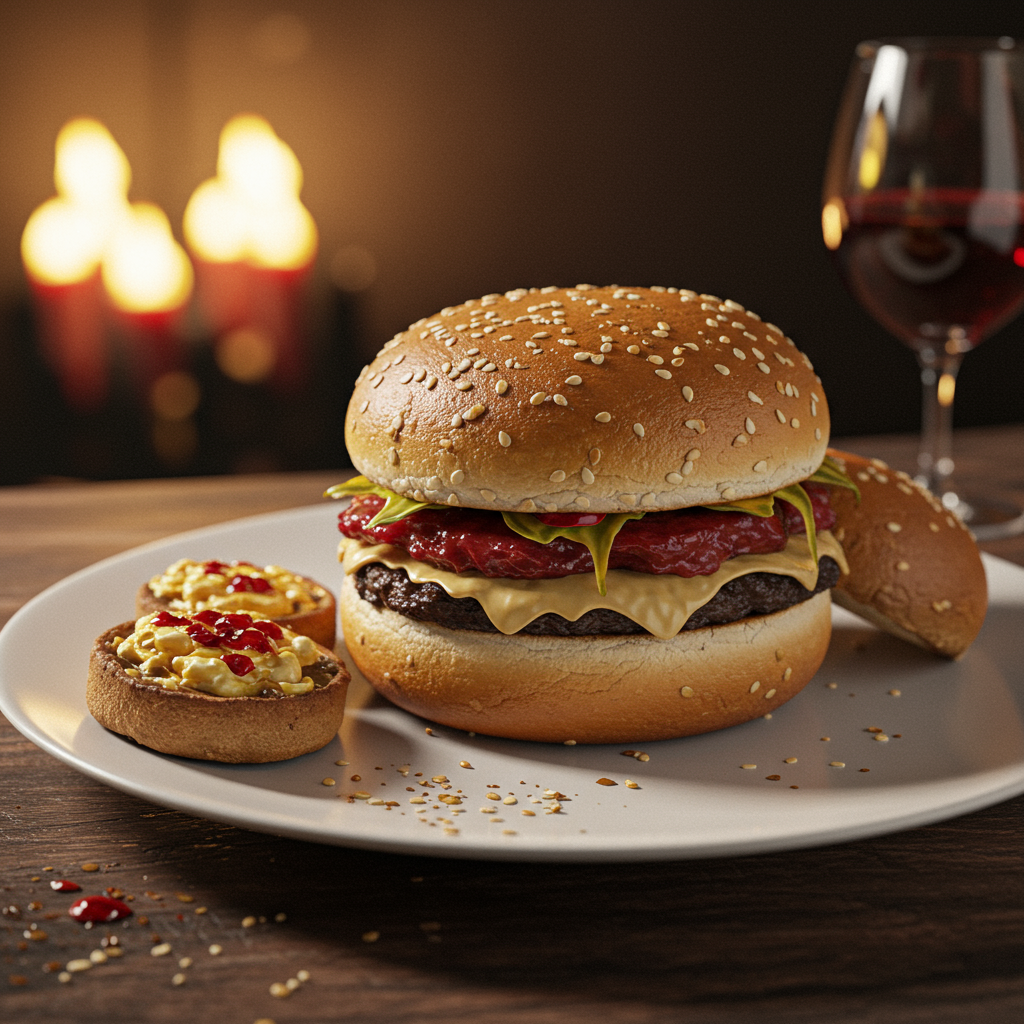
This article provides a comprehensive guide for hospitality managers, Food & Beverage (F&B) directors, and event organizers who want to capitalize on the opportunity presented by late-night service. Through a data-driven approach, we explore how to select, prepare, and market popular midnight snacks to transform a guest need into a robust profit center and a key service differentiator.
We detail operational processes, pricing strategies, staff training, and essential KPIs such as increasing Revenue Per Available Room (RevPAR), improving Net Promoter Satisfaction (NPS) scores by more than 10%, and optimizing food costs to below 25%. The value proposition is clear: to transform a late-night craving into a memorable experience that generates loyalty and positive reviews.
Introduction
The guest experience doesn’t end when the main restaurant closes its doors. In fact, one of the most memorable, and often overlooked, moments occurs in the late evening. A late-arriving business traveler, a couple celebrating a special occasion, or a family returning from a long day of sightseeing—they all share a common need: a comforting and affordable bite. Offering a curated selection of popular midnight snacks is not just a complimentary service; it’s a powerful strategic tool for improving satisfaction, generating incremental revenue, and gaining a significant competitive advantage. Ignoring this demand means leaving revenue on the table and, worse, risking negative reviews for poor service.
This analysis outlines a comprehensive methodology for developing a high-performing late-night snack program. The focus is on operational efficiency, profitability, and customer-perceived quality. We will measure success through a set of well-defined Key Performance Indicators (KPIs): average delivery time from order (target: < 20 minutes), food cost per item (target: < 25%), average late-night order value (target: > €18.00), and the direct impact on room service satisfaction scores. We will address everything from menu design to supply chain logistics and staff training, ensuring that every aspect of the service contributes positively to the bottom line.
Vision, Values, and Proposal
Focus on Results and Measurement
Our vision is to transform late-night dining from an operating cost into a profit center and a pillar of customer loyalty.
We apply the Pareto principle (80/20): we identify the 20% of snacks that will generate 80% of the demand and profitability, avoiding extensive menus that complicate operations and increase waste. Our values focus on consistency, quality, and convenience. Each dish must meet rigorous technical standards, such as maintaining the temperature (hot dishes above 65°C upon delivery) and standardized preparation times that do not exceed 12 minutes. The value proposition lies in offering a comprehensive solution that balances culinary excellence with economic viability.
- Main Value Proposition: Increase A&B revenue by 15-20% during the 11:00 PM to 5:00 AM time slot.
- Key Quality Criterion: Error-free order rate greater than 99.5%. This includes order accuracy, attention to allergies, and correct billing.
- Menu Decision Matrix: Each item is evaluated using a scoring system that considers ingredient cost, ease and speed of preparation, beverage pairing potential, and appeal to the guest demographic.
- Service Standard: Staff must be able to describe each snack, suggest accompaniments, and handle special requests professionally, even during the evening shift.
Services, Profiles, and Performance
Portfolio and Professional Profiles
We offer a portfolio of modular services designed to create or revitalize an establishment’s evening snack offering. This includes everything from strategic consulting and menu design to supply chain optimization and training for kitchen and service staff. We specialize in creating menus that offer a balanced mix of comforting, healthy, and locally sourced options, ensuring that popular midnight snacks are both delicious and profitable. The professional profiles involved include executive chefs with experience in 24/7 operations, food and beverage cost analysts, logistics specialists, and customer service trainers.
Operational Process
Phase 1: Diagnosis (1 week): Analysis of guest profiles, local competition, existing kitchen capabilities, and historical sales data. KPI: Identification of at least 3 opportunities for rapid improvement.
Phase 2: Menu Design (2 weeks): Creation of an 8-12 item menu based on the diagnosis. Includes detailed cost breakdowns, taste tests, and presentation design. KPI: Average menu food cost less than 25%.
Phase 3: Supplier Optimization (1 week): Selection and negotiation with suppliers to guarantee the availability and quality of key ingredients during off-peak hours. KPI: 5% reduction in the cost of the shopping basket.
Phase 4: Staff Training (1 week): Hands-on training in preparation, service standards, suggestive selling, and food safety protocols (HACCP). KPI: 100% of staff certified after assessment.
Phase 5: Launch and Monitoring (4 weeks): Implementation of the new service with daily KPI monitoring and customer satisfaction surveys. KPI: Nightly Service Satisfaction Score > 4.5/5.
Tables and Examples
Increase the average ticket from €15.50 to €21.00 (+35%) in 3 months.Reduce food waste.Reduce the percentage of waste in key ingredients.Design a menu with shared ingredients (versatility); implement a “First-In, First-Out” (FIFO) inventory system.Reduce waste from 8% to 4% on the night shift.Improve operational efficiency.Reduce the average time from order to delivery (minutes).Establish a specific mise en place for the night menu. Optimize workflow in the satellite kitchen.Reduction of average delivery time from 28 minutes to 18 minutes.
| Objective | Indicators | Actions | Expected Result |
|---|---|---|---|
| Increase the average nightly check | Average order value (€); Units per transaction | Create combos (e.g., “Movie Night”: snack + drink + dessert); Training in suggestive selling of beverages. |

Representation, campaigns and/or production
Professional development and management
The flawless execution of a late-night snack service depends on rigorous logistics and production management.
This involves coordinating with suppliers who can guarantee reliable deliveries of fresh produce, even with limited receiving windows. Inventory management is critical: minimum reorder point systems are used for key ingredients, ensuring stock levels without creating excess storage. A detailed production schedule is developed, including the mise en place that the day shift team can prepare to facilitate the work of the night shift. All processes must comply with local health regulations and Hazard Analysis and Critical Control Points (HACCP) standards.
- Logistics Checklist:
- Weekly order confirmation with key suppliers.
- Cold chain verification upon receiving goods.
- Clear and visible expiration date labeling system for all staff.
- Contingency plan with secondary suppliers for critical ingredients (e.g., artisan bread, specific cheese).
- Preparation Checklist (Pre-Shift):
- Verification of stock levels for all ingredients on the evening menu.
- Ensuring all equipment (griddles, fryers, microwaves) is clean and operational.
- Review of reservations and events for the day to Anticipate peak demand.
- Availability of takeaway packaging (boxes, bags, cutlery) in perfect condition.
Content and/or media that convert
Messages, formats, and conversions: Promoting your popular midnight snacks
The best snack menu is useless if guests don’t know about it. The content and media used to promote the menu are crucial. The main hook is appealing to comfort, convenience, and indulgence. Messages should be suggestive and direct, such as “The perfect end to your day. Order now.” or “A late-night craving? We’ll bring it to you in minutes.” A/B testing is conducted on the hotel’s app to determine which photos or descriptions generate the most orders. Key conversion metrics are the menu view rate in the app/TV and the percentage of guests who, having viewed it, place an order (menu conversion rate).
Phase 1: Ideation and Strategy. (Responsible: Marketing Director, Food & Beverage Director). Define the target audience (business traveler, family, etc.) and key messages.
Phase 2: Content Production. (Responsible: Professional Photographer, Copywriter). High-quality photo shoot of each dish. Writing enticing and concise descriptions.
Phase 3: Materials Design. (Responsible: Graphic Designer). Creation of physical in-room menus (durable and elegant), banners for the interactive TV, and graphics for the mobile app.
Phase 4: Distribution. (Responsible: Head of Reception, IT). Strategic placement of menus in rooms, updating of digital systems, and training of reception staff to mention the service during late check-in.
Phase 5: Analysis and Optimization. (Responsible: Data Analyst, Food & Beverage Director). Weekly review of sales metrics by channel (phone, app, TV) and by menu item to adjust the promotional strategy.
Training and employability
Demand-driven catalog
A well-trained staff is the cornerstone of successful night service. The training program is tailored to your needs, focusing on the specific skills required for the night shift, which often operates with less staff and supervision.
Module 1: Operational Excellence in the Night Kitchen. Focus on the fast, consistent, and safe preparation of menu items. It includes mise en place techniques, managing multiple simultaneous orders, and cleaning and closing protocols.
Module 2: Service and Suggestive Selling Protocols. How to take phone orders politely and efficiently, techniques to increase the average order value (e.g., “Would you like to pair your burger with a local craft beer?”), and handling complaints or special requests.
Module 3: Food Safety and Allergen Management (HACCP). Critical training on preventing cross-contamination, knowledge of the 14 mandatory allergens, and the procedure to follow when a guest has a severe allergy.
Module 4: Autonomy and Problem Solving. Training for night staff to make sound decisions autonomously, from managing a stockout to dealing with a dissatisfied customer, escalating only when strictly necessary. necessary.
Methodology
The methodology is eminently practical (“learning by doing”). Clear assessment rubrics are used to measure performance in simulated real-life situations (role-playing). For example, speed and accuracy in preparing the three most popular dishes are evaluated. Practice sessions are supervised by a senior chef or a Food & Beverage Manager. At the end of the training, employees who pass the assessment with a score above 90% receive internal certification. This not only guarantees the quality of service but also improves employability and staff motivation. A well-trained team is expected to achieve a reduction of at least 40% in complaints related to nightly room service.
Operational Processes and Quality Standards
From Request to Execution
A standardized process is essential to ensure consistency and efficiency. The workflow is divided into clear phases with defined deliverables and acceptance criteria.
- Diagnosis and Proposal: The process begins with an analysis of the current situation. The deliverable is a diagnostic report and a business proposal detailing the scope, objectives, and KPIs. Acceptance criterion: Approval by hotel management.
- Pre-production and Planning: Includes the final menu design, supplier selection, and training planning. Deliverable: Night Service Operations Manual. Acceptance criteria: All recipes standardized and costed, and contracted suppliers.Execution and Implementation: Staff training phase, launch of the new menu, and implementation of internal marketing campaigns. Deliverable: Fully operational night service. Acceptance criteria: Compliance with delivery time SLAs (< 20 min) and quality from day one.
Closure and Evaluation: After the first month of operation, a thorough review of results against KPIs is conducted. Deliverable: Performance report and continuous improvement plan. Acceptance Criteria: Achievement of at least 80% of the established objectives.
Quality Control
Quality control is a continuous process that involves the entire team and is based on measurable indicators and clear control points.
- Roles: The night cook is responsible for the quality of the final product. The room service (or front desk) agent is responsible for order accuracy and communication. The night supervisor conducts random audits.
- Escalation: Any guest complaint is recorded and resolved immediately if possible (e.g., by sending a new dish). Recurring complaints about the same item are escalated to the Food & Beverage Manager for review.
- Acceptance Indicators (SLAs): Hot dish temperature upon delivery ≥ 65 °C; Cold dish temperature ≤ 5 °C; Delivery time ≤ 20 minutes; Order accuracy: 99.5%.
Closing and BillingCorrect charge to guest account; Tray removedBilling accuracy (100%); Tray removal time after request (< 30 min)Risk: Billing errors that generate complaints at check-out. Mitigation: Double-check the room number and items before uploading them to the system.
| Phase | Deliverables | Control Indicators | Risks and Mitigation |
|---|---|---|---|
| Order Reception | Clear and complete order in the system | Telephone response time (< 3 rings); Order taking error rate (< 1%) | Risk: Incomplete or incorrect information (allergies). Mitigation: Standardized script for taking orders with mandatory confirmation questions. |
| Kitchen Preparation | Dish prepared according to recipe standard and photo | Preparation time per dish (< 12 min); Visual and temperature verification before dispatch | Risk: Inconsistency in quality or presentation. Mitigation: Technical sheets with photos at the workstation; training and audits. |
| Room Delivery | Complete and well-presented tray delivered to the guest | Transit time from kitchen to door (< 5 min); Compliance with the courtesy protocol | Risk: Spills, cold food, poor impression. Mitigation: Stable service carts, thermal plate covers, service protocol training. |
Application Cases and Scenarios
Case 1: Luxury Boutique Hotel in City Center (50 rooms)
Challenge: A boutique hotel with a high average daily rate (ADR) of €450 was experiencing recurring complaints about the lack of quality food options after 10:30 PM. Its clientele, primarily couples and high-spending business travelers, expected 24/7 service that matched the overall experience. The kitchen was small, and the night staff consisted of only a receptionist and a concierge.
Solution: A carefully curated menu of six gourmet comfort food items was designed, requiring no frying or complex cooking techniques. The focus was on high-quality ingredients and impeccable presentation. The selection included a local artisan cheese board, a club sandwich with sourdough bread and truffle mayonnaise, a Caesar salad with slow-cooked (pre-cooked) chicken, and a signature chocolate dessert. A small, high-speed regeneration oven and a compact griddle were installed. The receptionist was trained to perform the final assembly and plating, following very clear visual guidelines. The implementation period was 4 weeks.
Results and KPIs:
-
- ROI: The initial investment in equipment (€8,000) and training was recovered in 5 months.
- Revenue: €4,500 in additional monthly revenue was generated, with food costs at 22%.
- NPS: Negative mentions about the evening food service disappeared. The overall “Hotel Services” score in the satisfaction surveys increased by 8 percentage points.Delivery Time: The average delivery time remained consistently below 15 minutes.
Case 2: All-Inclusive Family Vacation Resort (400 rooms)
Challenge: The resort closed all its restaurants at 10:00 PM, leaving families with young children and groups of young people without food options. This caused frustration and led to guests bringing in outside food and drinks, resulting in lost revenue and a control issue.
Solution: A “Late-Night Snack Corner” concept was implemented next to the main pool, open from 10:00 PM to 2:00 AM. The menu was designed to be quick, affordable, and appealing to all customers. It included individual pizzas, hot dogs, nachos with cheese, and ice cream. A small cocktail and beer menu was added for adults. The operating model was based on high turnover and simplicity, with dedicated staff (2 cooks, 1 cashier). Additionally, a reduced menu of these same items was offered for room service.
Results and KPIs:
- ADR/RevPAR: The service became a key selling point, contributing to high occupancy and allowing for a slight increase in ADR during peak season. Total food and beverage revenue per guest increased by 12%.
- Customer Satisfaction: Family surveys highlighted the “Snack Corner” as one of the most valued services. The NPS for the family segment rose from 45 to 58.
- Cost Control: Despite affordable prices, high volume and efficiency allowed us to maintain a food cost of 28%. The amount of food waste from outside food found in the rooms was significantly reduced.
Case 3: Exclusive Wedding at a Private Estate (150 Guests)
Challenge: After the formal dinner and several hours of dancing, the wedding organizers wanted to surprise their guests with a late-night snack that was fun, informal, and delicious, while maintaining a high standard of quality.
Solution: The creation of three themed “food stations” was proposed, which opened at 1:30 a.m.
- “Mini Burgers” Station: Mini Galician beef burgers with various toppings (cheddar, caramelized onions, bacon).
- “Tacos & Margaritas” Station: Freshly prepared tacos al pastor and a margarita bar.
- “Sweet Ending” Station: Freshly made churros with hot chocolate and a selection of mini-donuts.
This format encouraged interaction and created a memorable experience. The logistics required setting up field kitchens and coordinating a team of six people.
Results and KPIs:
-
-
- Cost per attendee: The total cost of the service was €12.50 per guest, fitting within the couple’s budget.
- Satisfaction (Event NPS): Post-wedding surveys mentioned the late-night snack as the highlight of the evening, contributing to an NPS score of 95 for the event’s catering service.
- Brand impact: The caterer received three quote requests for future weddings directly from event guests, demonstrating the power of experiential marketing. The popular midnight snacks became a signature of the company.
Step-by-step guides and templates
Guide 1: Designing a Profitable Late-Night Snack Menu in 5 Steps
- Step 1: Analyze Guest Profile and Demand. Before writing a single recipe, define who your late-night customer is. Is it an executive looking for something light and healthy or a tourist wanting a local treat? Use data on occupancy, guest origin, and type of stay. Conduct brief surveys at checkout.
- Step 2: Menu Engineering and Cost Calculation. Select between 8 and 12 items. Rank them in a popularity vs. demand matrix. Profitability (Stars, Workhorses, Puzzles, Dogs). Calculate the exact cost breakdown for each dish. The target food cost should be between 20% and 30%.Step 3: Balance the Offer. The menu should be balanced. Include:
Classic Comfort Options: Club sandwich, hamburger, pizza. These are safe bets.
- Light and Healthy Options: Salad, hummus platter with crudités, yogurt bowl with granola.
- A Local Touch: A dish that reflects the region’s cuisine (e.g., mini calamari sandwich in Madrid, Iberian charcuterie board in Salamanca).
- Simple Desserts: Cheesecake, brownie with ice cream.
- Step 4: Design for Operational Efficiency. Prioritize dishes that can be prepared (or almost finished) by one person in under 10 minutes. Use versatile ingredients that can be used for several dishes and minimize stock. Avoid techniques that require constant supervision.
- Step 5: Pricing and Cross-Selling Strategy. Set prices to achieve the desired gross margin (generally 70-75%). Create attractive combos (e.g., “Movie Combo”: 2 drinks + 1 snack to share for a fixed price) to increase the average check. Make sure the drinks menu is clearly visible.
-
Guide 2: 6-Week Service Launch Checklist
-
-
- Week 1: Planning. Define project objectives, budget, and team. Assign responsibilities.
- Week 2: Menu Design and Suppliers. Final selection of dishes. Negociación y acuerdo con proveedores.
- Semana 3: Desarrollo de Recetas y Procesos. Creación de fichas técnicas, guías de emplatado y flujos de trabajo en cocina.
- Semana 4: Formación del Personal. Sesiones teóricas y prácticas con todo el personal implicado (cocina, recepción, servicio de habitaciones).
- Semana 5: Marketing y Comunicación. Diseño e impresión de menús. Actualización de la app y la TV de la habitación. Comunicación interna a todo el personal del hotel.
- Semana 6: Lanzamiento Piloto y Ajustes. “Soft opening” o lanzamiento suave durante 2-3 días para detectar y corregir fallos. Lanzamiento oficial al final de la semana. Recopilación de feedback diario.
-
Guía 3: Protocolo de Gestión de Alergias e Intolerancias Nocturnas
-
- Paso 1: Información Clara en el Menú. Utiliza iconos estandarizados para los 14 alérgenos de declaración obligatoria junto a cada plato. Incluye una nota visible pidiendo a los huéspedes que informen al personal de cualquier alergia.
- Paso 2: Pregunta Proactiva al Tomar el Pedido. El personal debe preguntar siempre: “¿Tiene alguna alergia o intolerancia alimentaria que debamos conocer?”.
- Paso 3: Alerta en la Comanda. La alergia debe marcarse de forma destacada en la comanda que llega a cocina (p. ej., en color rojo, con mayúsculas y asteriscos).
- Paso 4: Protocolo de Cocina “Zona Segura”. El cocinero debe lavarse las manos y cambiar de guantes. Utilizar tablas de cortar y utensilios limpios (idealmente de un color específico para alergias). Preparar el plato en una zona despejada para evitar la contaminación cruzada.
- Paso 5: Verificación y Entrega. Antes de que el plato salga de cocina, un segundo miembro del equipo (si es posible) o el propio cocinero verifica que se ha seguido el protocolo. El plato se entrega al huésped informándole verbalmente de que se han tomado las precauciones para su alergia.
Recursos internos y externos (sin enlaces)
Recursos internos
- Plantilla de Escandallo de Costes por Plato
- Manual de Estándares de Servicio de Habitaciones Nocturno
- Checklist de Apertura y Cierre para Cocina Satélite
- Guía Visual de Emplatado para cada Ítem del Menú
- Registro de Control de Temperatura de Alimentos (APPCC)
Recursos externos de referencia
- Reglamento (UE) nº 1169/2011 sobre la información alimentaria facilitada al consumidor
- Guías de Prácticas Correctas de Higiene del sector de la restauración
- Normativa local sobre seguridad y salud en el trabajo para el turno de noche
- Estudios de mercado sobre tendencias en consumo de alimentos fuera de horas (F&B Trends)
Preguntas frecuentes
¿Cuáles son los snacks de medianoche más rentables?
Generalmente, los snacks más rentables son aquellos con un bajo coste de ingredientes y una preparación rápida. Platos como los nachos con queso, las quesadillas, las patatas fritas con toppings (“loaded fries”) o las tablas de hummus suelen tener un coste de alimentos por debajo del 20 %, lo que permite un margen de beneficio muy alto. La clave es utilizar ingredientes versátiles y con una larga vida útil.
¿Cómo gestionar el inventario para un servicio con demanda impredecible?
La gestión de inventario es crítica. Se debe trabajar con un sistema de “par stock” (niveles mínimos y máximos) para cada ingrediente. Utiliza ingredientes congelados de alta calidad siempre que sea posible (p. ej., pan, patatas, postres individuales). Diseña el menú con ingredientes polivalentes; por ejemplo, el pollo desmenuzado puede usarse en un sándwich, una ensalada o unas quesadillas. Realiza un inventario físico semanal para ajustar los niveles de pedido.
¿Es necesario tener un cocinero dedicado toda la noche?
Depende del tamaño del hotel y la demanda esperada. Para hoteles pequeños (< 70 habitaciones), a menudo es más eficiente formar a personal multitarea (como el recepcionista o auditor nocturno) para preparar un menú muy sencillo de ensamblaje. Para hoteles más grandes, tener un cocinero dedicado asegura mayor calidad, rapidez y una oferta más amplia, y suele ser rentable si se atienden más de 10-15 pedidos por noche.
¿Qué tecnología puede ayudar a optimizar el servicio?
La tecnología es una gran aliada. Un sistema de pedidos a través de la app del hotel o un código QR en la habitación reduce los errores y libera al personal de tener que contestar el teléfono. Un buen sistema de gestión de comandas (KDS – Kitchen Display System) en la cocina agiliza el flujo de trabajo. Los hornos de cocción acelerada pueden reducir los tiempos de preparación de platos calientes en un 70-80 %.
¿Cómo promocionar el menú de snacks nocturnos de forma efectiva?
La promoción debe ser proactiva y multicanal. Coloca un menú físico y atractivo en un lugar visible de la habitación. Utiliza la TV interactiva con imágenes sugerentes. El personal de recepción debe mencionarlo activamente a los huéspedes que hacen el check-in tarde. Puedes crear una pequeña “tarjeta de bienvenida” en la mesita de noche recordándoles el servicio. Las campañas a través de la app con una notificación push sobre las 22:00 también son muy efectivas.
Conclusión y llamada a la acción
En un mercado hotelero cada vez más competitivo, la diferenciación reside en los detalles y en la capacidad de anticipar y satisfacer las necesidades del huésped en cada momento de su estancia. La implementación de una oferta de snacks populares de medianoche bien ejecutada es mucho más que un servicio adicional; es una declaración de intenciones que comunica un compromiso total con el confort y la experiencia del cliente. Como hemos demostrado, con la estrategia, los procesos y la formación adecuados, este servicio puede convertirse en un notable centro de beneficios, mejorar las métricas clave como el NPS y el RevPAR, y generar el tipo de reseñas positivas que atraen a nuevos clientes. No subestime el poder de un bocado perfecto servido a la hora perfecta. Es el momento de analizar su operación nocturna y convertir los antojos de sus huéspedes en su próxima historia de éxito.
Glosario
- ADR (Average Daily Rate)
- Tarifa Media Diaria. Es un indicador clave en la industria hotelera que se calcula dividiendo los ingresos totales por habitaciones entre el número de habitaciones vendidas.
- APPCC (Análisis de Peligros y Puntos de Control Crítico)
- Sistema preventivo de gestión de la inocuidad alimentaria que identifica, evalúa y controla los peligros significativos para la seguridad de los alimentos.
- Escandallo
- Análisis detallado del coste de cada uno de los ingredientes que componen un plato, utilizado para calcular el coste de la materia prima y fijar el precio de venta.
- NPS (Net Promoter Score)
- Puntuación Neta del Promotor. Métrica que mide la lealtad y satisfacción del cliente preguntando la probabilidad de que recomienden un producto o servicio. Se calcula restando el porcentaje de detractores al de promotores.
- RevPAR (Revenue Per Available Room)
- Ingreso por Habitación Disponible. Se calcula multiplicando el ADR por la tasa de ocupación. Es uno de los indicadores más importantes del rendimiento financiero de un hotel.
- Venta sugestiva (Up-selling/Cross-selling)
- Técnica de venta en la que el vendedor anima al cliente a comprar artículos complementarios (cross-selling) o versiones más caras o mejoradas de un producto (up-selling) para maximizar el valor de la compra.
Internal links
- Click here👉 https://us.esinev.education/diplomas/
- Click here👉 https://us.esinev.education/masters/
External links
- Princeton University: https://www.princeton.edu
- Massachusetts Institute of Technology (MIT): https://www.mit.edu
- Harvard University: https://www.harvard.edu
- Stanford University: https://www.stanford.edu
- University of Pennsylvania: https://www.upenn.edu