
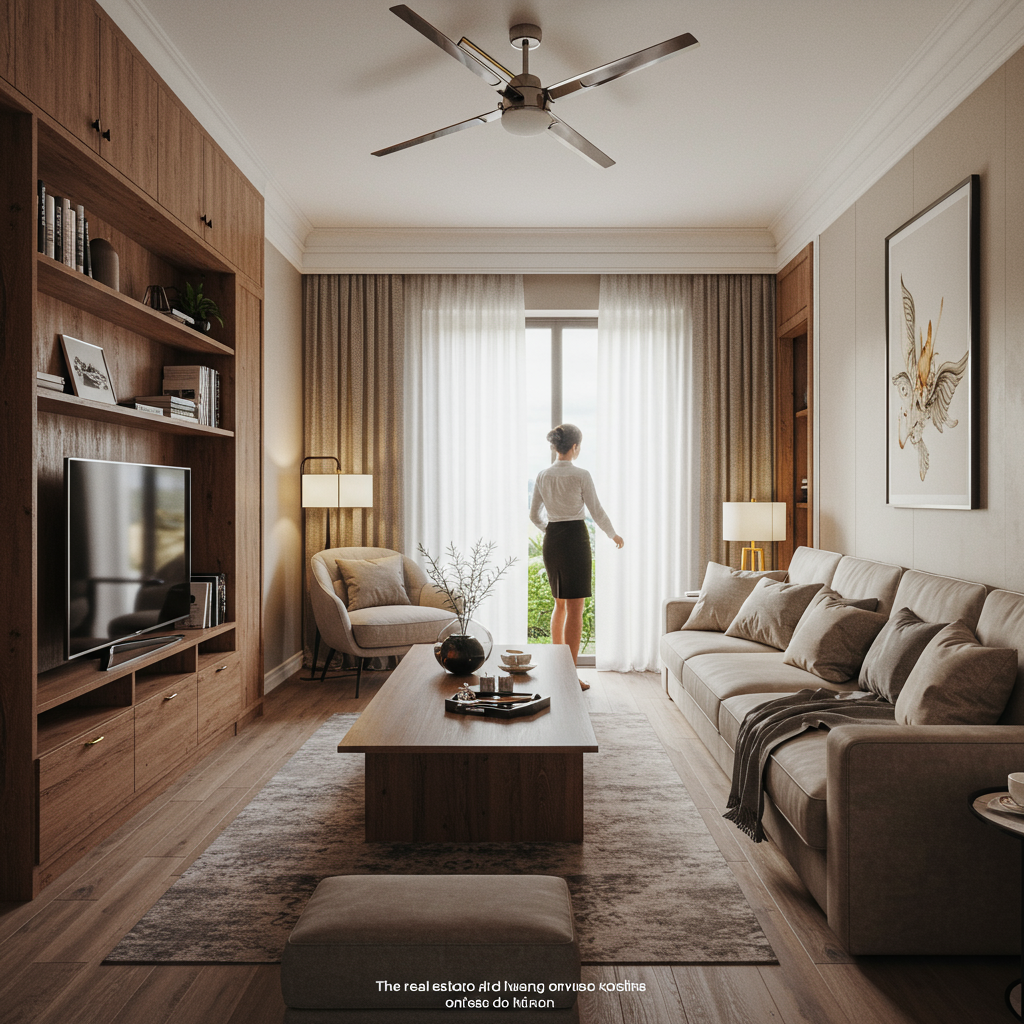
This article details the comprehensive methodology for creating a high-impact real estate investment showcase. We address the synergy between visual presentation (home staging, 3D virtual tours) and rigorous financial analysis to attract and convince sophisticated investors. The focus is on optimizing the perceived value of an asset, accelerating its marketing, and maximizing return on investment.
Through standardized processes, practical guides and case studies, we demonstrate how to improve key indicators such as sales speed (reduction of Days on Market by 30-50%), final closing price (increase of 5-15% over the appraised value) and investor conversion rate. This guide is aimed at developers, real estate agents, and asset managers who seek to professionalize the presentation of their properties to ensure efficient and predictable cash flow.
Vision, values, and proposal
Focus on results and measurement
Our vision is to redefine the marketing of real estate assets, moving from a transactional model to one of strategic consulting. We operate on the Pareto principle (80/20), identifying the 20% of actions (key staging, professional photography, accurate financial modeling) that generate 80% of the impact on the investor’s decision. Our values center on transparency, operational excellence, and a focus on measurable results. Each project is approached with rigorous technical standards, complying with local building and urban planning regulations, and applying international best practices in asset presentation. The value proposition is clear: to provide a comprehensive service that not only enhances a property but also builds a solid and compelling investment case, maximizing profitability for our clients.
Core Value Proposition: We transform properties into irresistible investment assets by merging aesthetics and financial analysis.
Quality Criteria: Budget deviation of less than 5% in staging projects. Minimum 7% increase in closing price compared to similar properties without staging. Production of virtual tours with a completion rate exceeding 60%.
- Project Decision Matrix: We prioritize assets with clear appreciation potential, where the ROI of the showcase service exceeds 300%. Factors such as location, structural condition, and market potential of the asset are evaluated.
- Technical Standards: Use of state-of-the-art photography and 3D scanning equipment (Matterport Pro3, full-frame cameras). Professional lighting with controlled color temperature (4,000-5,000 K) for a faithful representation of spaces.
Services, Profiles, and Performance
Portfolio and Professional Profiles
We offer a portfolio of services designed to cover the entire lifecycle of presenting a real estate asset, creating a complete real estate investment showcase. Our multidisciplinary team includes certified home staging specialists, real estate photographers, licensed drone operators, financial analysts, and digital marketing experts. Each service is tailored to the type of asset (residential, commercial, multi-family) and the target investor profile.
Operational Process
Phase 1: Diagnosis and Strategy (1 week): Initial property audit and market analysis (competitor benchmarking). Definition of the ideal investor profile. A budget and timeline are established. KPI: Delivery of the strategic proposal in ≤ 5 business days.
Phase 2: Staging Execution and Content Production (1-3 weeks): Implementation of home staging (physical or virtual). Professional photography session, video recording, and 3D scanning for the virtual tour. KPI: Production completion in ≤ 15 business days for a standard property (< 200 m²).
Phase 3: Investment Package Creation (1 week): Development of the investment dossier, including financial projections (NOI, Cap Rate, ROI), market analysis, and all visual content. KPI: Digital dossier open rate > 40%.
Phase 4: Campaign and Marketing (4-8 weeks): Launch on premium portals, email marketing campaigns to investor databases, and management of visits (virtual and in-person). KPI: Generation of ≥ 3 qualified offers in the first 6 weeks.
Phase 5: Closing and Analysis (1-2 weeks): Support in negotiation, closing the deal, and post-mortem analysis of campaign performance. KPI: Client Net Promoter Score (NPS) ≥ 8.
Tables and Examples
Attract investors for a multi-family building.Cap Rate, Projected ROI, Number of investor leads.Creation of a detailed investment dossier, virtual staging of a model unit, investor webinar.0.5% increase in perceived Cap Rate. Acquisition of ≥ 20 qualified leads.Lease a commercial space quickly.Cost Per Lead (CPL), Time to sign contract.Virtual staging showcasing 3 potential uses (café, shop, office), local Google Ads campaign.25% reduction in CPL. Contract signed in <90 days.
| Objective | Indicators | Actions | Expected Result |
|---|---|---|---|
| Accelerate the sale of a luxury apartment | Days on Market (DOM), Number of Qualified Offers | Complete home staging, Matterport virtual tour, social media campaign targeted to HNWI. | Reduction of DOM from 120 to < 60 days. Generate ≥ 5 offers. |
Representation, campaigns and/or production
Professional development and management
Executing a successful real estate investment showcase requires impeccable logistics and rigorous project management. We coordinate all the suppliers involved: from the moving and storage company for decluttering, to the painters, electricians, and landscapers for pre-staging improvements. We handle all necessary permits, should minor works be required. The execution schedule is central to our process, ensuring that each phase is completed on time and within budget. We use project management software to monitor progress and communicate transparently with the client.
- Pre-production Checklist:
- Signed service contract.
- Completed property audit (measurements, light points, general condition).
- Inventory of furniture to be removed and stored.
- Approved supplier quotes (painting, cleaning, repairs).
- Active public liability insurance policy.
- Contingency plan for supplier delays (list of secondary suppliers).
- Supplier Coordination:
- Centralized communication through a single project manager.
- Detailed work orders with deadlines and acceptance criteria Clear.
- Verification of insurance and licenses for all contractors.
- Contingency Plans:
- Alternative stock of furniture and accessories in case of stock shortage from the main supplier.
- Quick rescheduling protocol in case of adverse weather conditions affecting exterior photography.
- Budget with a 10% contingency fund.
Content and/or Media That Convert
Messages, Formats, and Conversions: The Core of a Real Estate Investment Showcase
Content is the vehicle that delivers the value proposition to the investor. It’s not enough for it to be aesthetically pleasing; it must be strategic and persuasive. Our approach is based on creating a “hook” in the first 3 seconds (whether in a video or in the text of an ad) that highlights the main benefit of the investment (e.g., “7% Net Return on a Prime Location”). Each piece of content includes a clear and specific Call to Action (CTA), such as “Download the Investment Dossier” or “Request a Private Virtual Tour.” We conduct A/B testing on ad headlines and CTA button colors to optimize the conversion rate. An effective real estate investment showcase is measured by its ability to generate qualified leads, and our content is designed precisely for that purpose.
Ideation Phase (Responsible: Content Strategist):
Define the property’s storytelling angle.
Create a script for the promotional video.
Write persuasive copy for listings, portals, and the property dossier.
Production Phase (Responsible: Producer/Photographer):
Coordinate and execute the photo shoot, video, and 3D scan.
Ensure visual consistency and technical quality of the material.
…
- Post-production Phase (Responsible: Video Editor / Graphic Designer):
- Edit the photographs (color correction, white balance).
- Assemble the promotional video, adding music, graphics, and CTAs.
- Process the virtual tour and add informative tags (Mattertags).
- Design the investment dossier.
- Distribution and Measurement Phase (Responsible: Digital Marketing Specialist):
- Publish the content on the selected platforms.
- Launch and monitor paid campaigns.
- Analyze the metrics (CTR, CPL, Conversion Rate) and optimize in real time.
-

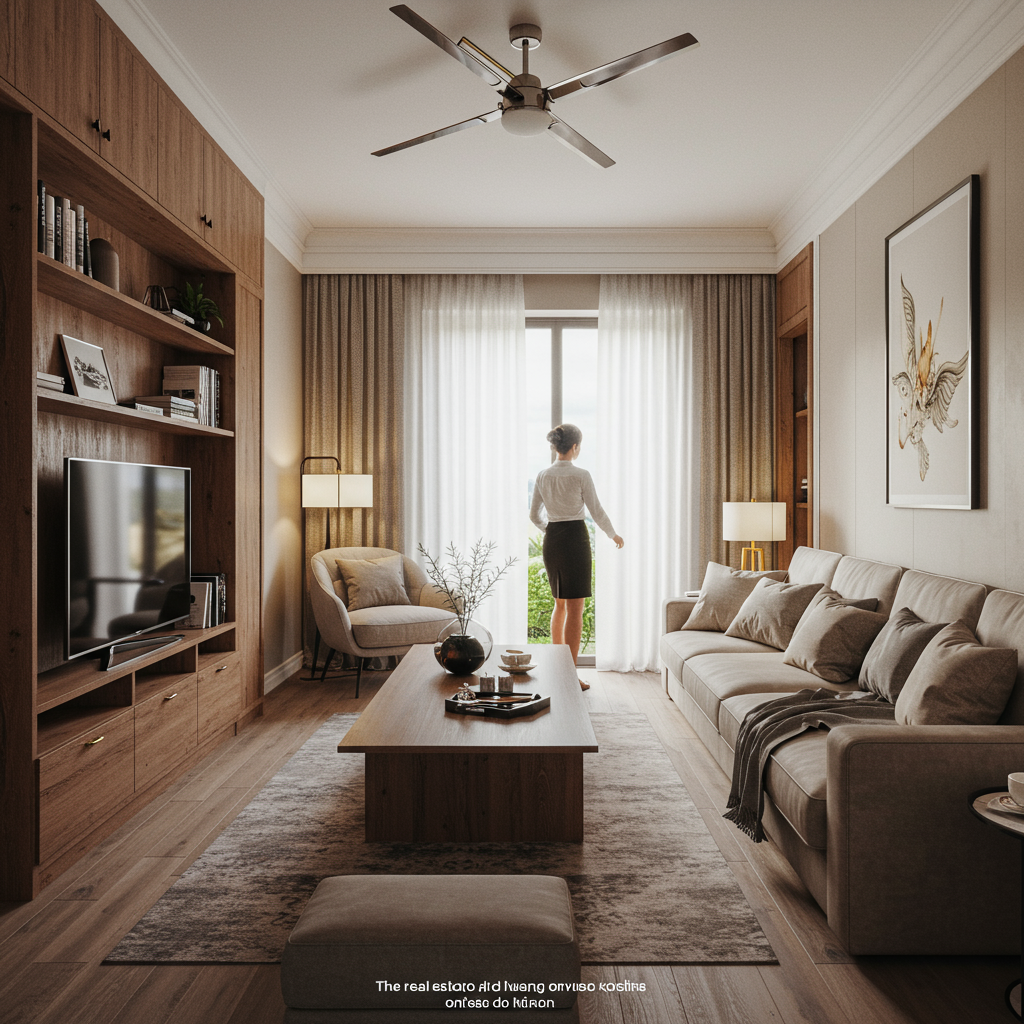
The quality of visual content is directly proportional to the quality of investors it attracts. A professional image is the first step to a successful transaction.
Training and employability
Demand-driven catalog
To scale the impact and professionalize the sector, we offer training programs designed for real estate agents, property managers, and aspiring professionals in the industry. These programs combine theory and practice to develop the skills necessary for creating high-quality investment showcases.
Module 1: Professional Home Staging Certification
Design principles, color psychology, and space management
Market analysis and target audience definition
Budget and logistics management Final practical exercise on a real property.
- Module 2: Real Estate Photography and Video.
- Composition and lighting techniques for architecture.
- Equipment usage (cameras, lenses, tripods, drones).
- Editing and post-production with professional software (Lightroom, Premiere Pro).
- Module 3: Creating 3D Virtual Tours with Matterport.
- Camera operation, scan planning.
- Editing in the Workshop, creating Mattertags and measurements.
- Distribution and integration strategies on websites and portals.
- Module 4: Digital Marketing for Assets Investment Real Estate.
- SEO Strategies for Real Estate Portals.
- Advertising Campaigns on Google, Facebook, and Instagram for Investor Acquisition.
- Email Marketing and Automation for Lead Tracking.
Methodology
Our training methodology is based on “learning by doing.” Each module is assessed using a rubric that evaluates both theoretical knowledge and practical application. Students complete real-world projects, creating a portfolio that demonstrates their skills. We collaborate with leading real estate agencies to offer a job placement service and internship opportunities, ensuring a high employability rate (target >85% job placement within 6 months of completing the training). The expected results are professionals capable of independently managing the complete creation of a real estate investment showcase, providing measurable value to their clients or companies.
Operational Processes and Quality Standards
From Request to Execution
A standardized process is the guarantee of quality and efficiency. Our operational pipeline ensures that every project meets the same standards of excellence, regardless of its size or complexity.
- Diagnosis (1-3 days): We receive the request and make an initial qualification call. If the project is a good fit, we visit the property for an on-site audit. The deliverable is a diagnostic report with a SWOT (Strengths, Weaknesses, Opportunities, Threats) analysis of the asset.Proposal (2-4 days): We prepare a detailed proposal that includes the strategy, recommended services, a detailed budget, and a timeline. Acceptance is based on the signed proposal and payment of the initial deposit (typically 50%).Pre-production (3-7 days): A project manager is assigned. Logistics planning, furniture booking, and supplier contracting are completed. The deliverable is a detailed project schedule shared with the client.Execution (1-3 weeks): All on-site activities are carried out: repairs, painting, cleaning, staging installation, and photo and scan sessions. The acceptance criterion is the client’s validation of the staging results and the quality of the preliminary visual material.
- Post-production and Delivery (1 week): All the material is edited, the investment dossier is designed, and the marketing campaign is prepared. The final deliverable is the complete marketing package (photos, tour, video, dossier).
- Closure and Follow-up (ongoing): The campaign is launched, and KPIs are monitored weekly. After the sale, a final results report is prepared and feedback is requested from the client.Quality ControlDefined Roles: Each project has a Project Manager (final responsible party), a Lead Home Stager, and a Marketing Specialist.Checkpoints: There are 3 checkpoints with formal client approval: post-diagnosis, post-staging, and pre-campaign launch.
Escalation of Issues: Any deviation greater than 10% in budget or timeframe is immediately escalated to the Operations Director.
SLAs (Service Level Agreements): Response time to client emails < 4 business hours. Weekly campaign reports delivered every Friday.
- Risk: Client doesn’t understand the value. Mitigation: Include ROI projections and case studies.ExecutionProperty prepared and raw visual materialSchedule adherence (deviation < 2 days). Staging quality (100-point checklist).Risk: Property damage. Mitigation: Liability insurance and surface protection.DeliveryComplete marketing packageTechnical quality of content (resolution, sharpness). Consistency of message across all channels.Risk: Material doesn’t reflect the potential. Mitigation: Review rounds with the client.
Phase Deliverables Control Indicators Risks and Mitigation Diagnosis SWOT Audit Report of the Asset Accuracy of measurements (margin of error < 2%). Correct identification of the investor audience. Risk: Incorrect assessment of potential. Mitigation: Use of market data from at least 3 different sources. Proposal Commercial Proposal and Contract Budget clarity (breakdown > 90% of costs). Realistic timeline.
Application Cases and Scenarios
Case 1: Luxury Penthouse in a Prime Urban Area
Challenge: A 180 m² penthouse in one of the best areas of the city had been on the market for 8 months without receiving any serious offers. The asking price was €1,200,000. The decor was outdated and very personal, making it difficult for potential buyers to visualize its potential.
Solution: A comprehensive project to showcase real estate investment was proposed.
- Diagnosis: Market analysis showed that similar renovated properties were selling for 15-20% more and in less than 3 months. The target audience was senior executives and expatriates.
- Execution: €25,000 was invested in the project. The apartment was completely emptied. It was painted in neutral and light tones. A complete home staging was carried out with rented contemporary designer furniture. A Matterport 3D virtual tour, a cinematic drone video, and a set of 30 professional photographs were created.
- Results: The property was relaunched on the market with the new visual material. Fifteen viewing requests were received in the first week. After 22 days, a firm offer of €1,250,000 was received and accepted.
Project KPIs:
- Days on Market (DOM): Reduced from 240+ to 22.
- Sale Price: Increased by €50,000 over the original price.
- Service ROI: (€50,000 extra profit / €25,000 investment) * 100 = 200% return on showcase cost.
Case 2: Build-to-Rent Apartment Building
Challenge: A developer needed to secure financing and pre-lease 50% % of the units in a new 40-apartment building were sold before completion. Investors and prospective tenants were unable to physically visit the properties.
Solution: A fully digital showcase was created.
- Content: High-quality, photorealistic renderings of the different apartment types were created. Based on the floor plans, a 3D virtual tour of each type was created, virtually furnished. An interactive investment dossier was designed with profitability projections (NOI, Cap Rate, cash flow) and a demographic analysis of the area.
- Campaign: A digital marketing campaign targeting investment funds and family offices was launched through LinkedIn and financial portals. Simultaneously, an Instagram and Facebook campaign targeting young professionals for pre-rentals was launched.Results: Within 3 months, 100% of the necessary funding was secured from an investment fund that based its decision on the quality of the digital investment package. 65% of units were pre-leased two months before handover.Project KPIs:Time to secure financing: Reduced by 50% compared to the developer’s previous projects.
Pre-leasing rate: 65% (vs. target of 50%).
Cost per lead (investor): €120, 30% below the industry average.
Case 3: Commercial space on a secondary street
Challenge: A 90 m² commercial space, open-plan but unfinished, had been vacant for over a year. Its location on a street with less foot traffic made it difficult to market.
Solution: A virtual staging strategy was implemented to showcase its versatility.- Visualization: Photos of the empty space were taken, and three virtual staging versions were created: one as a specialty coffee shop, another as a yoga studio, and a third as a coworking office. This helped potential tenants visualize their business in the space.
- Niche Marketing: Instead of mass marketing, targeted campaigns were created for each of the three business models on social media and industry portals. A basic market study was included for each option.
- Results: The campaign for hospitality entrepreneurs generated significant interest. Within six weeks, the space was rented by a couple who were opening their first coffee shop, inspired by the virtual visualization. The rental agreement was 10% higher than the initial asking price due to the perceived value created.
Project KPIs:
- Time to Market: Reduced from 365 days to 42 days.
- Rental Price: Increased by 10% over the target price.
- Service ROI: The €1,500 investment in virtual staging and marketing was recovered within the first month and a half of the rental period.
Step-by-Step Guides and Templates
Guide 1: Home Staging Checklist for a 2-Bedroom Apartment
- Phase 1: Depersonalization and DeclutteringRemove all personal photographs, mementos, and religious objects.Empty 80% of shelves and surfaces.Reduce the contents of closets by 50% to create a sense of spaciousness.
Store any surplus or oversized furniture in a storage unit.
Phase 2: Cleaning and Repairs
Professional deep cleaning of the entire home, including windows, seals, and appliances.
Repair leaky faucets, loose knobs, and any visible damage.
Paint all walls in a neutral and light color (off-white, light gray).
Replace burnt-out light bulbs, ensuring a uniform color temperature (neutral light, warm white, cool white … 4,000 K).
- Phase 3: Furnishing and Layout
- Living Room: Create a conversation area. Sofa, two armchairs, coffee table, and rug. Avoid pushing all the furniture against the walls.
- Dining Room: Table for 4-6 people with a simple centerpiece.
- Master Bedroom: Double bed dressed with quality linens in neutral tones, two bedside tables with identical lamps, and a chest of drawers.
- Second Bedroom: Define a clear use (guest bedroom, office). Si es despacho, mesa, silla ergonómica y una estantería.
- Cocina: Encimera completamente despejada, excepto por un par de elementos decorativos (tabla de cortar de madera, un bol con limones).
- Baño: Encimera despejada. Toallas blancas y nuevas enrolladas. Un jabón de manos de diseño y una pequeña planta.
- Fase 4: Decoración y Ambiente (Staging)
- Añadir cojines y mantas en el sofá y las camas para dar calidez.
- Colocar plantas y flores frescas en puntos estratégicos.
- Poner espejos para ampliar visualmente los espacios pequeños.
- Crear un ambiente olfativo neutro y agradable (difusor con aroma sutil a lino limpio o té verde).
- Asegurarse de que todas las luces están encendidas durante las visitas.
Guía 2: Pasos para Crear un Tour Virtual 3D Inmersivo
- Preparación del Inmueble: Realizar el home staging completo. Abrir todas las persianas y encender todas las luces. Asegurarse de que no haya nadie en la propiedad.
- Planificación del Escaneo: Recorrer la propiedad y planificar una ruta lógica para los puntos de escaneo. Los puntos deben tener una línea de visión directa entre sí y estar a una distancia de 1,5 a 2,5 metros.
- Configuración del Equipo: Montar la cámara (p. ej., Matterport Pro2/Pro3) en el trípode. Conectar la cámara a la tablet o smartphone a través de la app Matterport Capture.
- Ejecución del Escaneo: Iniciar un nuevo proyecto en la app. Colocar la cámara en el primer punto y realizar el primer escaneo. Mover la cámara al siguiente punto y repetir. Escanear todas las habitaciones, pasillos y, si es posible, exteriores como terrazas.
- Marcado de Elementos: Utilizar la app para marcar ventanas, espejos y puertas para un procesamiento correcto.
- Subida a la Nube: Una vez completado el escaneo, subir el modelo a la nube de Matterport para su procesamiento. Este proceso puede tardar varias horas.
- Edición en el Workshop: Una vez procesado, acceder al modelo en la plataforma online. Ocultar escaneos innecesarios, establecer el punto de inicio del tour, crear un vídeo de highlights y añadir Mattertags (puntos de información interactivos) para destacar características clave (p. ej., “Encimera de Silestone”, “Suelo radiante”).
- Publicación y Distribución: Obtener el enlace público del tour y el código de inserción (embed). Integrarlo en la página web de la propiedad, portales inmobiliarios y enviarlo por correo electrónico a potenciales inversores.
Guía 3: Estructura de un Dosier de Inversión Inmobiliaria
- Portada: Foto principal de la propiedad, título claro (“Oportunidad de Inversión: [Dirección]”), y logo de la agencia/promotora.
- Resumen Ejecutivo: Un párrafo que resume la oportunidad, destacando los 3-4 puntos más fuertes (ubicación, rentabilidad, potencial de revalorización).
- Descripción del Activo: Detalles de la propiedad (m², habitaciones, baños, características especiales). Plano de la vivienda.
- Galería de Fotos y Tour Virtual: Selección de las 10-15 mejores fotografías y un enlace/código QR prominente para acceder al tour virtual 3D.
- Análisis de Mercado y Ubicación: Información sobre el barrio, servicios cercanos (colegios, hospitales, transporte), y datos del mercado local (precio medio por m², evolución en los últimos años).
- Análisis Financiero (la sección más importante):
- Precio de Adquisición y Costes Asociados: Desglose del precio de compra, impuestos, gastos de notaría, etc.
- Proyecciones de Ingresos: Renta de alquiler estimada (basada en comparables), proyecciones de tasa de ocupación.
- Proyecciones de Gastos Operativos: IBI, comunidad de propietarios, seguro, mantenimiento, gestión.
- Métricas Clave: Cálculo del Ingreso Operativo Neto (NOI), Tasa de Capitalización (Cap Rate), Flujo de Caja Anual (Cash Flow), y Retorno de la Inversión (ROI/Cash-on-Cash Return).
- Estrategia de Salida: Posibles escenarios de venta a 5 o 10 años, con una estimación de la revalorización del activo.
- Información de Contacto: Datos claros del agente o persona de contacto, con una llamada a la acción para solicitar más información o una visita.
Recursos internos y externos (sin enlaces)
Recursos internos
- Plantilla estándar de propuesta de servicios de showcase.
- Checklist de control de calidad para home staging (100 puntos).
- Guía de estilo para fotografía y vídeo inmobiliario.
- Base de datos de proveedores homologados (staging, reformas, limpieza).
- Calculadora de ROI de inversión inmobiliaria en Excel.
Recursos externos de referencia
- Normativa del Código Técnico de la Edificación (CTE) en España.
- Estudios de mercado de portales como Idealista Data o Fotocasa Pro.
- Guías de buenas prácticas de la Asociación de Home Staging de España (AHSE).
- Estándares de medición de superficies RICS (Royal Institution of Chartered Surveyors).
- Publicaciones sectoriales como “The Real Deal” o “Inman News” para tendencias internacionales.
Preguntas frecuentes
¿Qué es exactamente el home staging y por qué es importante?
El home staging es una técnica de marketing inmobiliario que consiste en preparar una vivienda para su comercialización, con el objetivo de hacerla atractiva para el mayor número de compradores posible. No se trata de decorar al gusto del propietario, sino de despersonalizar, optimizar el espacio y crear un ambiente neutro y acogedor. Es crucial porque ayuda a los compradores a visualizarse viviendo en el espacio, justifica el precio de venta y, según las estadísticas, puede reducir el tiempo de venta a la mitad y aumentar el precio de cierre entre un 5 % y un 15 %.
¿Un tour virtual puede reemplazar una visita física?
Un tour virtual de alta calidad (como los de Matterport) no reemplaza completamente la visita física, pero la complementa y la cualifica. Permite a los potenciales inversores, especialmente los internacionales o los que tienen poco tiempo, explorar la propiedad en detalle 24/7 desde cualquier lugar. Esto sirve como un filtro increíblemente eficaz: quienes solicitan una visita física después de ver el tour virtual son leads mucho más cualificados y con una intención de compra más alta.
¿Cuánto cuesta un servicio completo de “real estate investment showcase”?
El coste varía significativamente según el tamaño de la propiedad, su estado inicial y el alcance de los servicios contratados. Generalmente, se calcula como un porcentaje del valor de la propiedad, que suele oscilar entre el 0,5 % y el 2 %. Sin embargo, es fundamental verlo como una inversión, no como un gasto. El objetivo es que el retorno (en forma de un mayor precio de venta y una venta más rápida) supere con creces el coste del servicio.
¿Qué es la Tasa de Capitalización o Cap Rate y por qué es vital para un inversor?
La Tasa de Capitalización es una de las métricas más importantes en la inversión inmobiliaria. Se calcula dividiendo el Ingreso Operativo Neto (NOI) del inmueble por su precio de mercado actual. El NOI son todos los ingresos que genera la propiedad (alquileres) menos todos los gastos operativos (mantenimiento, seguros, impuestos, etc.), sin incluir la hipoteca. La Cap Rate indica la rentabilidad potencial de una inversión inmobiliaria. Para un inversor, permite comparar de forma rápida y objetiva diferentes oportunidades de inversión.
¿Funciona el staging virtual tan bien como el físico?
El staging virtual es una herramienta excelente y más económica para propiedades vacías, en construcción o que necesitan una renovación completa. Es muy eficaz para mostrar el potencial de un espacio en anuncios online y dosieres. Sin embargo, para las visitas físicas, el home staging físico sigue siendo superior, ya que permite a los compradores experimentar la escala, la luz y el ambiente del espacio de una manera que el staging virtual no puede replicar. La mejor estrategia a menudo combina ambos: virtual para el marketing inicial y físico para las visitas.
Conclusión y llamada a la acción
La transformación de una propiedad en un producto de inversión de primer nivel ya no es una opción, sino una necesidad en un mercado cada vez más global y competitivo. La metodología del escaparate de inversión inmobiliaria, que fusiona el arte del home staging y la tecnología de los tours virtuales con la ciencia del análisis financiero, ha demostrado ser la estrategia más eficaz para captar la atención de inversores serios y maximizar la rentabilidad de los activos. Los resultados son cuantificables: reducción drástica de los días en el mercado, aumento del valor de cierre y un proceso de toma de decisiones más rápido y fundamentado por parte del capital. Adoptar este enfoque integral no solo mejora los resultados de una transacción individual, sino que eleva la reputación y el estándar profesional de promotores y agentes. El futuro de la comercialización inmobiliaria es estratégico, medible y experiencial. ¿Está preparado para transformar sus activos en oportunidades de inversión irresistibles?
Glosario
- Home Staging
- Técnicas de marketing aplicadas a una vivienda para prepararla para su comercialización, con el fin de hacerla atractiva al mayor número de compradores potenciales.
- Tour Virtual 3D
- Simulación digital de una propiedad existente, que permite a los usuarios explorarla de forma remota e inmersiva. Las tecnologías como Matterport crean un “gemelo digital” del espacio.
- Tasa de Capitalización (Cap Rate)
- Ratio financiero que se utiliza para evaluar la rentabilidad de una inversión inmobiliaria. Se calcula dividiendo el Ingreso Operativo Neto (NOI) por el valor de mercado del activo.
- Ingreso Operativo Neto (NOI)
- Todos los ingresos generados por una propiedad (alquileres, etc.) menos los gastos operativos razonablemente necesarios para mantenerla (excluyendo la deuda y los impuestos sobre la renta).
- Días en el Mercado (DOM)
- Indicador que mide el tiempo total que una propiedad permanece listada para la venta en el mercado, desde que se publica hasta que tiene un contrato firmado.
- ROI (Return on Investment)
- Retorno de la Inversión. Métrica que mide la ganancia o pérdida generada en una inversión en relación con la cantidad de dinero invertido. Se expresa como un porcentaje.
Internal links
- Click here👉 https://us.esinev.education/diplomas/
- Click here👉 https://us.esinev.education/masters/
External links
- Princeton University: https://www.princeton.edu
- Massachusetts Institute of Technology (MIT): https://www.mit.edu
- Harvard University: https://www.harvard.edu
- Stanford University: https://www.stanford.edu
- University of Pennsylvania: https://www.upenn.edu